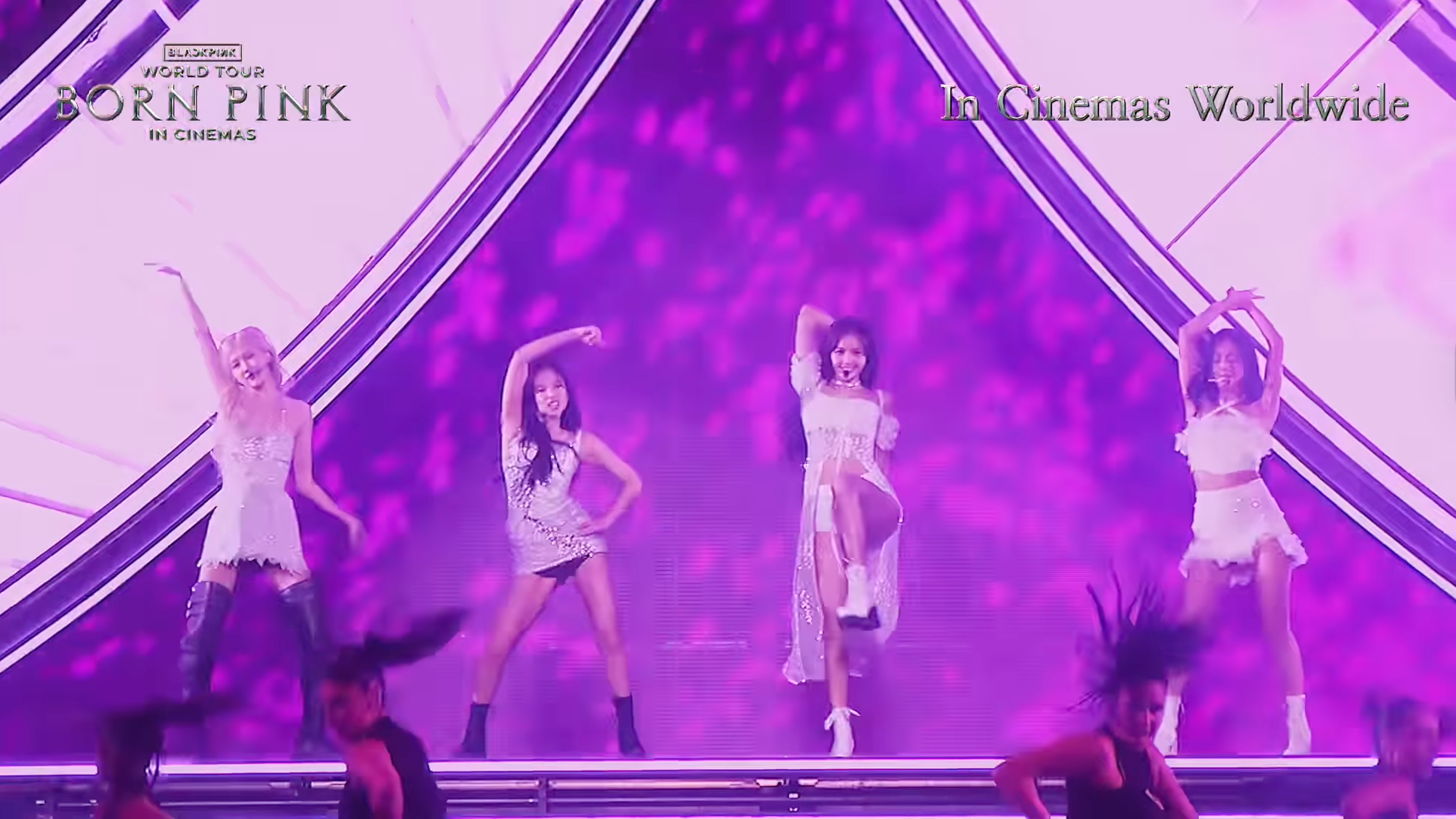
Blackpink's Cultural Depth: Beyond the Music
Introduction: The Evolution of a Global Phenomenon

When the name Blackpink comes to mind, most casual listeners think of catchy hook lines, explosive bass drops, and high-budget music videos racking up billions of views. However, looking beneath the surface reveals a much richer sociological narrative. Understanding How Black Pink Became More Than Just a Color — The Cultural Depth Uncovered in Wiki requires diving deep into fan-curated archives, global chart histories, and the shifting dynamics of modern soft power. They are no longer just a musical act; they represent a distinct lifestyle, a high-fashion standard, and a shifting paradigm of global representation.
The Dualistic Identity: Decoding the Name
The group's name itself is a masterclass in branding and cultural dichotomy. It combines 'Black,' which represents fierce confidence, rap-heavy anthems, and rebellious energy, with 'Pink,' which signifies youth, beauty, and melodic accessibility. This duality allows the members—Jisoo, Jennie, Rosé, and Lisa—to navigate contrasting personas seamlessly.
Balancing Softness and Strength
In the traditional idol industry, female groups were often boxed into rigid concepts—either intensely cute or purely girl-crush. Blackpink shattered this binary by embracing both extremes simultaneously. Their discography alternates between hard-hitting trap beats and emotional, acoustic-leaning ballads. This versatility enabled them to appeal to a broad demographic, resonating with listeners who value both vulnerability and unapologetic strength.
Setting the Global Fashion Standard
Beyond audio streaming platforms, Blackpink’s cultural footprint is perhaps most visible in the fashion capitals of the world. Each member serves as a global ambassador for luxury legacy houses:
Video: BLACKPINK - ‘뚜두뚜두 (DDU-DU DDU-DU)’ M/V

- Jennie: Dubbed the 'Human Chanel,' she bridged the gap between classic Parisian elegance and modern streetwear.
- Jisoo: Represents the timeless, sophisticated elegance of Dior and Cartier.
- Rosé: Embodies the rock-and-roll chic aesthetic of Saint Laurent and Tiffany & Co.
- Lisa: Commands the global stage for Celine and Bulgari, blending edgy youth culture with haute couture.
By integrating high fashion directly into their music videos, stage performances, and airport appearances, they redefined what it means to be a modern pop idol, operating on the same tier as Hollywood actresses and supermodels.
Breaking Language and Geographic Barriers
A significant portion of Blackpink’s archival documentation highlights their unprecedented international crossover success. Unlike previous generations of K-pop acts who primarily targeted Asian markets, Blackpink achieved mainstream Western validation organically. Their multilingual backgrounds—with members fluent in English, Korean, Thai, and Japanese—allowed them to communicate directly with an international fanbase without the heavy reliance on translation.
Milestones That Changed the Industry
Their historic performance at Coachella in 2019 marked a watershed moment for Asian representation at major Western music festivals. Later, headlining the festival in 2023 cemented their status as global headliners. These milestones, meticulously cataloged by fans and media analysts alike, demonstrate how the group shifted K-pop from a niche international genre into mainstream Western music culture.
Conclusion: A Legacy Carved in Culture
Ultimately, the enduring legacy of Blackpink extends far beyond record-breaking album sales or streaming metrics. They serve as a case study in modern global branding, female empowerment, and cultural diplomacy. By refusing to conform to a single mold, they turned a simple contrast of shades into a universal symbol of modern ambition and style.
.png)