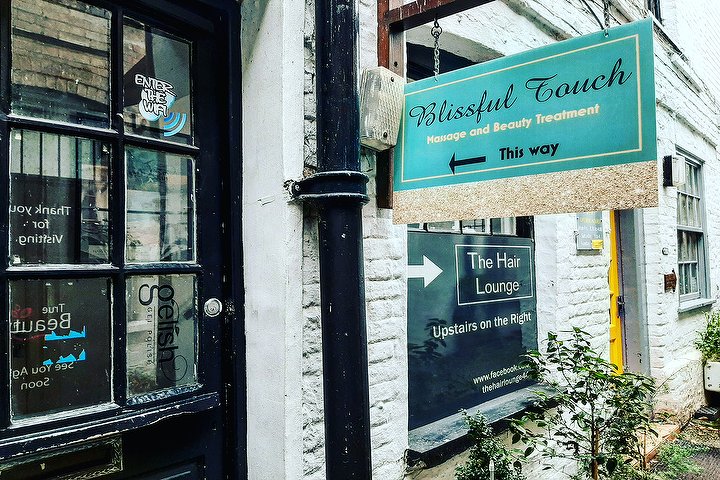
Blissful Touch Studio Services for Mental Health
Mental wellness is rarely just a cognitive process. When chronic stress, unresolved trauma, or anxiety take hold, they manifest physically—tightening the shoulders, shallowing the breath, and keeping the sympathetic nervous system locked in a state of high alert. For those seeking holistic relief, Blissful Touch Studio services for mental health offer an evidence-informed bridge between somatic bodywork and emotional equilibrium.

By shifting the focus from purely aesthetic pampering to targeted, nervous-system-centered therapy, specialized touch studios provide a safe harbor for the mind to unwind through the physical body. Understanding how therapeutic touch alters brain chemistry and eases psychological distress can help you choose the right modalities for your self-care plan.
The Physiology of Touch: How Bodywork Calms the Mind
The human skin contains millions of specialized sensory receptors that communicate directly with the central nervous system. When soothing, intentional pressure is applied, these receptors signal the vagus nerve—the primary highway of the parasympathetic nervous system.
This biological reaction produces measurable neurochemical shifts:
- Cortisol Reduction: Sustained therapeutic touch significantly lowers serum cortisol, the body’s primary stress hormone responsible for insomnia, hyperarousal, and fatigue.
- Neurotransmitter Elevation: Massage stimulates the release of serotonin and dopamine, brain chemicals essential for mood stabilization, motivation, and emotional resilience.
- Oxytocin Release: Often called the "bonding hormone," oxytocin fosters feelings of safety, warmth, and interpersonal trust, countering the social isolation often brought on by depressive episodes.
Blissful Touch Studio Services for Mental Health: Core Modalities
Therapeutic studios dedicated to emotional wellness design their menus around nervous system down-regulation. Rather than deep, aggressive tissue manipulation that may trigger tension, sessions prioritize somatic integration, gentle release, and deep physiological rest.
1. Somatic Restorative Massage
Somatic massage focuses on expanding body awareness rather than simply working out physical knots. In these sessions, practitioners use slow, rhythmic gliding strokes combined with gentle holds. The goal is to help clients track internal sensations (interoception) and gently release stored somatic tension linked to anxiety, grief, and emotional exhaustion.
2. Craniosacral Balancing
Using light touch—typically no more than the weight of a nickel—craniosacral therapy evaluates and optimizes the rhythm of cerebrospinal fluid surrounding the brain and spinal cord. For individuals experiencing sensory overload, migraines, or severe emotional burnout, this micro-touch modality allows the central nervous system to drop into a restorative, restorative theta-wave state.
3. Clinical Aromatherapy and Grounding Bodywork
Olfactory stimulation is the fastest route to the limbic system, the emotional control center of the brain. Blissful Touch Studio pairs targeted manual therapy with therapeutic-grade botanical extracts—such as Roman chamomile, vetiver, bergamot, and sweet marjoram—to anchor clients in the present moment and disrupt recurring patterns of anxious rumination.
Video: Blissful Touch Harmony

4. Guided Breathwork and Myofascial Unwinding
The diaphragm and thoracic cage often contract under prolonged emotional duress. By integrating gentle myofascial unwinding around the rib cage, neck, and pelvic diaphragm with synchronized breathing, these sessions expand lung capacity and promote vagal tone, teaching the body how to self-soothe long after the session concludes.
Targeted Mental Health Challenges Addressed by Bodywork
While bodywork is not a standalone replacement for clinical psychiatric treatment or psychotherapy, it serves as an exceptional complementary therapy for several common mental health challenges:
- Chronic Burnout: Restores deep physiological rest to high-functioning professionals stuck in chronic fight-or-flight states.
- Generalized Anxiety Disorder (GAD): Grounds racing thoughts by reconnecting awareness to sensory, physical touch points.
- Mild to Moderate Depression: Combats touch starvation and sensory numbness through compassionate, non-judgmental human contact.
- Sleep Disturbances and Insomnia: Prepares the body for deep delta-wave sleep by balancing circadian rhythms and relaxing parasympathetic inhibitors.
What to Expect During a Mental-Health-Focused Session
Stepping into a specialized studio environment should feel fundamentally different from a typical day spa. The emphasis is always on emotional safety, clear consent, and agency.
Intentional Intake: Your session begins with a conversation about not just your physical aches, but your energetic capacity, stress levels, and emotional boundaries. You maintain complete control over pressure, target areas, and touch preferences.
Sensory Regulation: Lighting is warm and indirect, acoustics are carefully curated without jarring soundscapes, and treatment tables are heated to relax hyper-reactive muscle spindles naturally.
Silent Sessions: Clients managing anxiety or social fatigue often prefer quiet treatment. Studios provide dedicated non-verbal sessions where you are never pressured to make small talk, allowing you to process internal thoughts without distraction.
Integration and Aftercare: Sessions conclude with slow reorientation. You are given time to sit, hydrate with herbal infusions, and receive personalized grounding recommendations before heading back into everyday life.
Integrating Bodywork into Your Mental Health Routine
To maximize the psychological benefits of somatic therapy, consider bodywork an active component of your mental health maintenance rather than an occasional luxury. Many clients find that scheduling sessions every two to four weeks creates a steady emotional baseline, preventing acute stress from compounding into functional paralysis.
If you are currently working with a licensed counselor, psychologist, or psychiatrist, mention your intention to incorporate somatic touch. Body-oriented therapies often unlock emotional insights that enrich traditional talk therapy, providing a genuinely comprehensive pathway to feeling whole, centered, and at peace.