Bloomington IN Tornado Warning: Immediate Safety Steps
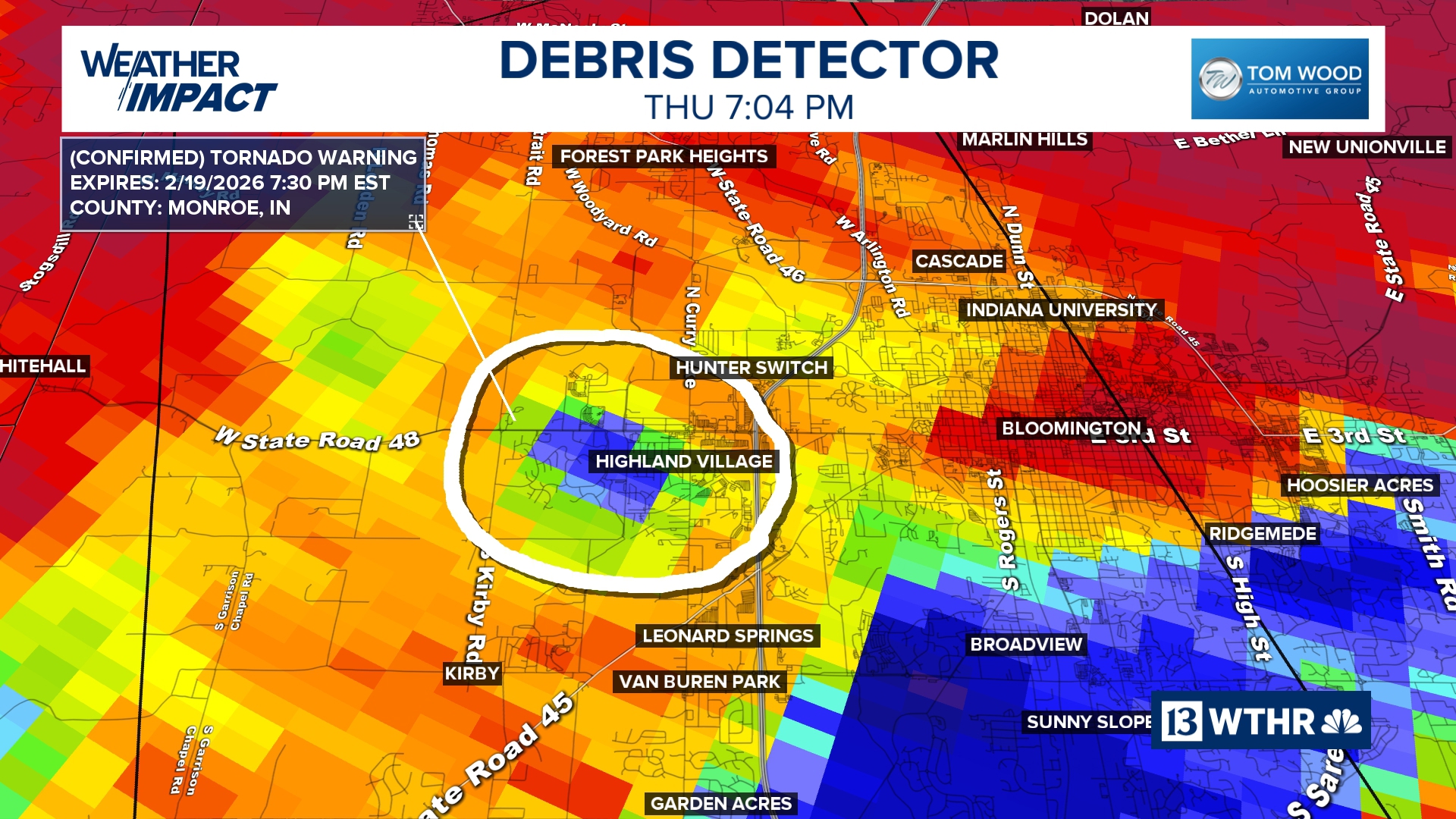
When the National Weather Service issues a bloomington in tornado warning, it means a rotating storm or an actual tornado has been confirmed by radar or trained spotters in Monroe County. In south-central Indiana, severe weather can develop rapidly, often embedded in fast-moving squall lines or supercells rolling across the limestone hills. Knowing exactly where to take shelter and how local alert systems work can mean the difference between safety and catastrophic injury.

Understanding Watches vs. Warnings
Before taking emergency steps, it helps to distinguish the severity of weather alerts issued by the National Weather Service (NWS) office in Indianapolis, which covers Bloomington:
- Tornado Watch: Atmospheric conditions are favorable for the development of severe thunderstorms capable of producing tornadoes. You should review your shelter plan, secure outdoor items, and monitor local radar.
- Tornado Warning: Imminent danger. A tornado is either occurring or about to occur. Take protective shelter immediately in the lowest level of a sturdy structure.
- Tornado Emergency: An exceptionally rare alert reserved for catastrophic, verified tornadoes bearing down on a populated area. Maximum protective action is required.
What to Do During a Bloomington IN Tornado Warning
Once an alert sounds or your phone blares with a Wireless Emergency Alert (WEA), cease all activities and move your household or colleagues to shelter. Follow these location-specific instructions:
If You Are in a Single-Family Home or Apartment
Head to the lowest level possible, preferably a basement or storm cellar. If your home has no basement—common in some karst-heavy areas of Bloomington where bedrock prevents excavation—move to an interior room on the ground floor. Small interior bathrooms, walk-in closets, or hallways without exterior walls or windows offer the highest structural resistance. Cover your head and neck with cushions, a mattress, or thick blankets, and wear sturdy shoes and a bicycle helmet if available.
If You Are in a Vehicle or Mobile Home
Mobile homes and manufactured housing offer virtually no protection against tornadic winds. If you live in a mobile home park, identify a permanent clubhouse or neighborhood shelter beforehand and evacuate to it well before the storm hits. If caught in a vehicle along corridors like I-69, State Road 37, or State Road 46, never attempt to outrun a tornado. If a sturdy building is nearby, park safely and run inside. If no building exists, park your car outside traffic lanes, keep your seatbelt buckled, duck below window level, and cover your head with a coat or blanket.
If You Are on the Indiana University Campus
Indiana University Bloomington maintains specific emergency shelter zones across its academic halls, dormitories, and athletic complexes. If you receive an IU Notify alert:

- Avoid large, open-span rooms such as the IU Auditorium, Assembly Hall, or fieldhouses, as roofs are susceptible to structural failure under high wind loads.
- Move toward interior ground-floor corridors or designated basement shelters in older limestone halls (such as Ballantine Hall, the Student Building, or the Indiana Memorial Union).
- Stay clear of high-rise glass atriums and exterior skywalks.
- Wait for the official “all clear” through IU Notify or official Monroe County alert channels before leaving your shelter.
How Bloomington and Monroe County Siren Systems Work
Bloomington relies on the Monroe County Outdoor Warning Siren System, operated by the Monroe County Emergency Management Agency (EMA). It is vital to understand the capabilities and limitations of these sirens.
First, outdoor warning sirens are designed strictly to warn people who are outdoors. They are not intended to wake you up in the middle of the night inside an insulated home. Sirens sound with a steady tone for three to five minutes when a tornado warning is activated for Monroe County.
Second, Monroe County regularly tests its outdoor warning sirens on the first Friday of every month at 12:00 PM and 7:00 PM, provided severe weather is not in the active forecast. If you hear sirens outside this scheduled window, treat the situation as an active emergency.
Reliable Ways to Receive Severe Weather Alerts in Bloomington
Do not depend on outdoor sirens as your sole source of emergency warnings. To stay informed during volatile Indiana spring and summer weather, build redundancy into your alert setup:
- Monroe County Alert (Everbridge): Residents can register their cell phones, landlines, and email addresses with Monroe County’s mass notification system to receive geo-targeted emergency warnings directly from county dispatchers.
- NOAA Weather Radio: Program your radio to the Indianapolis broadcast frequency (162.500 MHz, station KZZ58 or WXJ74 depending on antenna reception) using SAME code 018105 for Monroe County. Battery-backup weather radios sound alarms automatically, even during overnight power outages.
- Wireless Emergency Alerts (WEA): Ensure emergency and government alerts are toggled on in your smartphone settings. These cellular broadcast alerts ping every compatible phone connected to local towers within a warning polygon.
- Local Broadcast Outlets: Tune in to regional Indianapolis television networks or local radio stations (such as WFHB 91.3 FM or WFIU 103.7 FM) for hyper-local trackings of storms approaching Ellettsville, Clear Creek, and the downtown square.
Post-Storm Safety: What to Do After the Danger Passes
The minutes and hours immediately following a tornado present severe secondary hazards. Keep your family safe after the storm by taking cautious, calculated steps:
- Check for Injuries: Administer first aid where qualified, and do not move severely injured persons unless they are in immediate danger of fire or structural collapse.
- Watch for Downed Power Lines: High winds frequently bring down tree limbs and electrical lines across Bloomington’s heavily wooded neighborhoods. Assume every fallen line is energized. Report downed infrastructure to Duke Energy or Bloomington emergency services immediately.
- Inspect for Gas Leaks: If you smell sulfur or natural gas, evacuate the premises immediately and contact the gas utility from a safe distance. Do not flip electrical switches or light candles.
- Wear Protective Footwear: Broken glass, shattered wood, and exposed nails litter tornado impact zones. Wear work gloves, thick-soled boots, and long pants while inspecting property.
- Keep Roads Clear: Avoid driving through affected neighborhoods to look at damage. Congested roads prevent emergency vehicles from reaching victims needing trauma care.
Preparing Your Bloomington Home for the Next Event
Severe weather in south-central Indiana is not limited to spring; destructive storms and tornadoes have hit the region in late autumn and winter months. Preparation ahead of time minimizes panic when the sky darkens over Lake Monroe.
Assemble a basic emergency kit containing at least one gallon of water per person per day for three days, non-perishable foods, a manual can opener, a battery-powered radio, extra flashlights, a first-aid kit, whistle, and power banks for mobile phones. Store these supplies directly inside your designated shelter area so you do not waste precious seconds collecting items during an active warning.