Blue Book Value Truck: How to Price Your Pickup
Pickup trucks are among the most resilient vehicles on the secondary market. Whether you are selling a light-duty commuter, trading in a heavy-duty workhorse, or shopping for a pre-owned 4x4, finding the accurate blue book value truck owners rely on is the first step toward securing a fair deal. Kelley Blue Book (KBB) remains the benchmark valuation guide in North America, but pricing a pickup involves nuanced variables that passenger cars simply do not face.

From tow packages and cab configurations to regional climate demands, understanding how Blue Book prices are calculated helps you negotiate with confidence and avoid leaving money on the table.
Understanding Blue Book Price Categories
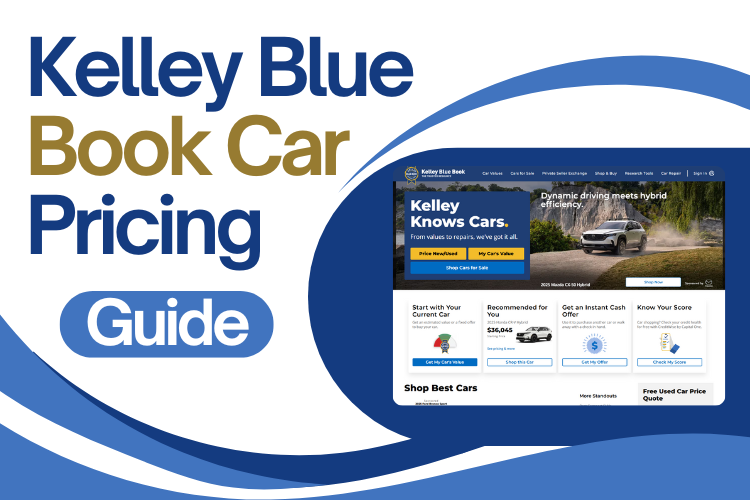
When you look up a valuation on Kelley Blue Book, you will not receive a single, static dollar amount. Instead, the platform generates several distinct pricing tiers based on how and where the transaction takes place.
- Trade-In Value: The amount a licensed auto dealer will realistically offer you. This figure is consistently the lowest because the dealer must factor in reconditioning costs, safety inspections, overhead, and a wholesale-to-retail profit margin.
- Private Party Value: What you can expect to pay or receive when selling directly to another individual. This price sits between trade-in and retail. Sellers earn more than a trade-in, and buyers pay less than dealer prices, though both parties assume administrative and mechanical risks.
- Fair Purchase Price (Dealer Retail): The realistic out-the-door price buyers are currently paying dealerships for a comparable truck in their local market.
- Instant Cash Offer: An algorithmically generated, real-world cash offer backed by participating dealerships willing to buy your truck immediately upon physical inspection.
Key Factors That Dictate Truck Valuations
Trucks carry far more configuration variants than standard sedans or crossovers. Two pickups sharing the same year and model badge can differ in value by tens of thousands of dollars based on specific hardware choices.
1. Powertrain and Engine Type
Engine choice dramatically impacts truck depreciation. For full-size and heavy-duty models (such as the Ford F-250, Chevrolet Silverado 2500, or Ram 2500), optional turbodiesel engines often carry a steep upfront cost—frequently $9,000 to $12,000 new. On the used market, diesel engines retain a significantly higher percentage of that value due to their durability, high towing torque, and longevity.
2. Drivetrain: 4WD vs. 2WD
Four-wheel drive (4WD) carries a heavy premium over rear-wheel drive (2WD), especially in northern states, mountain regions, and rural areas. While a two-wheel-drive truck might suffice in southern flatlands, selling one in the Midwest or Rocky Mountain region can drastically shrink your buyer pool and lower its Blue Book valuation.
3. Cab Style and Bed Dimensions
Consumer demand heavily favors four-door Crew Cabs (or SuperCrews/Double Cabs) because they double as family vehicles. Regular two-door cabs, while practical for commercial fleets, depreciate faster on the consumer market. Bed length also matters: a standard 5.5-foot bed appeals to suburban drivers, while an 8-foot long bed paired with a regular cab attracts fleet contractors.

4. Factory Tow Packages and Gearing
Integrated trailer brake controllers, heavy-duty cooling packages, higher-ratio rear axles, and fifth-wheel/gooseneck prep kits add measurable value to valuation algorithms. When inputting your truck details, skipping these options can unintentionally lower the estimated price.
How to Check Your Blue Book Value Truck Estimate Accurately
Getting an accurate figure requires honest inputs. Misrepresenting condition or omitting equipment leads to false expectations that fall apart during an in-person appraisal.
- Use the Vehicle Identification Number (VIN): Rather than selecting your year, make, and trim manually, enter the 17-digit VIN. This decodes exact factory trim levels, standard equipment, and production options that you might otherwise forget to select.
- Input Exact Mileage: Pickup truck values swing heavily based on odometer readings. An extra 15,000 miles can push a truck past critical warranty thresholds, reducing trade-in offers.
- Be Objective About Vehicle Condition: Kelley Blue Book uses four condition tiers: Excellent, Very Good, Good, and Fair. Less than 5% of used trucks fall into the "Excellent" tier. If your truck has minor rock chips, bed scratches, slight seat wear, or tires with 50% tread remaining, choose "Good" or "Very Good" to receive a realistic estimate.
- Account for Frame and Undercarriage Health: Surface rust on suspension components is standard, but structural corrosion on the frame rails, cab corners, and rocker panels severely depreciates a truck, regardless of what an automated online tool displays.
Do Aftermarket Truck Modifications Add Value?
Many truck owners invest thousands into lift kits, oversized off-road tires, custom wheels, steel bumpers, winches, and exhaust systems. However, Blue Book valuation algorithms treat most aftermarket equipment as neutral or negative value additions.
Mainstream buyers and dealership used-car managers often view heavy modifications as evidence of hard off-road use or towing strain. Non-factory suspension lifts can also void manufacturer warranties and complicate steering geometry. The few aftermarket additions that consistently hold or slightly improve resale value include high-quality spray-in bedliners (such as Line-X), lockable fiberglass bed caps, and hard-folding tonneau covers.
Kelley Blue Book vs. Other Truck Pricing Guides
While KBB is the most recognized name among consumers, dealerships and financial institutions often cross-reference other industry data sources:
- J.D. Power (formerly NADAguides): Widely used by credit unions, banks, and auto lenders. J.D. Power values tend to reflect wholesale auction transactions and loan-to-value limits.
- Black Book: Updated weekly using live dealer auction results nationwide. Dealership appraisal desks frequently rely on Black Book to determine actual cash value (ACV) when taking a truck on trade.
- Edmunds: Provides True Market Value (TMV) data based on retail transaction records, serving as a reliable secondary check against KBB estimates.
Actionable Tips to Maximize Your Truck's Payout
Before taking your pickup in for an appraisal or listing it online, take simple steps to lift its practical value toward the top end of the Blue Book spectrum:
- Deep Clean the Bed and Undercarriage: Wash away caked mud, salt, and grime. Clean the truck bed thoroughly; if it has bare metal scratches, apply touch-up paint or install a clean bed mat.
- Gather Service Records: Detailed logs showing regular transmission fluid changes, differential oil services, and diesel fuel filter replacements prove the truck was maintained under load, justifying a higher private-sale asking price.
- Clear Warning Lights: Address minor sensor faults or tire pressure monitoring system (TPMS) warnings. An illuminated check engine light immediately prompts dealers to drop appraisal offers into the "Fair" category.
- Leverage Competing Offers: Before settling on a dealer's first trade-in quote, obtain KBB Instant Cash Offers and appraisals from national retailers like CarMax or Carvana. Dealerships will often match or beat verified written offers to acquire clean truck inventory.