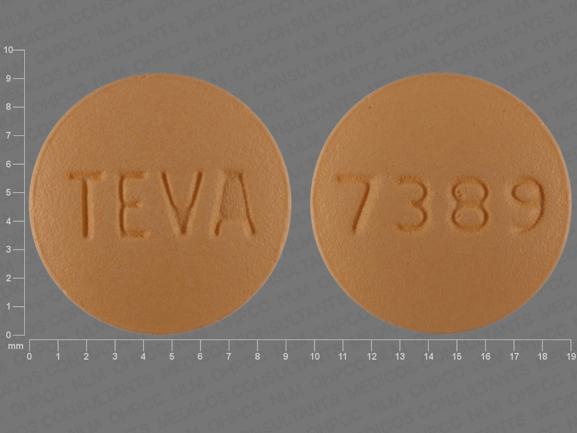
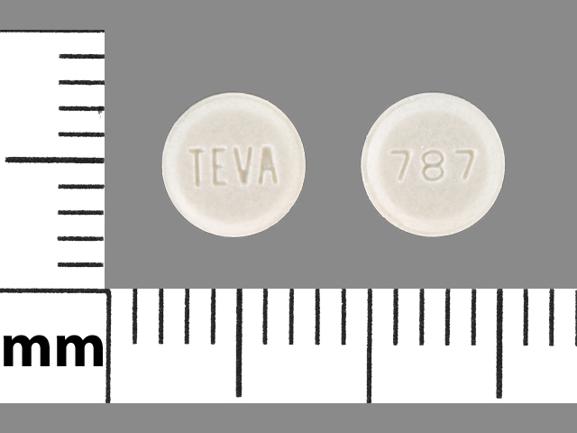
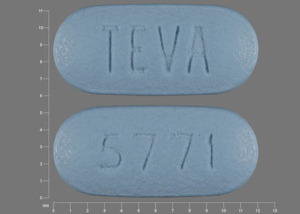
Blue Pill with 3927 TEVA: Identification & Uses
Finding an unidentified tablet in a medicine cabinet or loose in a drawer can be unsettling. If you have come across a round, light-blue pill with 3927 teva stamped on its surfaces, you are looking at generic Diazepam at a strength of 10 milligrams (mg). Diazepam is a widely prescribed prescription drug belonging to the benzodiazepine class, historically recognized under the brand name Valium.

Because benzodiazepines carry significant potential for dependence, interaction, and side effects, understanding the exact nature of this medication is vital for personal safety. Below is a complete breakdown of what this pill is, why doctors prescribe it, how it works, and the precautions you must take if you or someone you care for has been prescribed it.
Identifying the Pill with 3927 TEVA Imprint
Pharmaceutical manufacturers print specific alphanumeric codes on solid medications to comply with Food and Drug Administration (FDA) regulations. These codes allow patients, pharmacists, and emergency personnel to identify any legitimate prescription pill instantly.
- Imprint: "TEVA" on one side; "3927" on the reverse side (often accompanied by a score line)
- Color: Light blue to blue
- Shape: Round
- Scoring: Scored (can be split along the groove if directed by a physician)
- Active Ingredient: Diazepam (10 mg)
- Manufacturer: Teva Pharmaceuticals USA
- Drug Class: Benzodiazepine
- Controlled Substance Status: DEA Schedule IV
The score line down the middle of the "3927" side allows patients to divide the tablet into two 5 mg doses if prescribed a lower therapeutic amount. However, you should never split or alter a tablet unless explicitly instructed by your healthcare provider.
What Is Diazepam 10 mg Used For?
Diazepam is a versatile medication with several FDA-approved therapeutic applications. Because 10 mg is typically the highest standard single-tablet strength for oral diazepam (which is also produced in 2 mg and 5 mg strengths), it is usually reserved for moderate to severe symptoms or for patients who have developed a baseline tolerance under medical supervision.
1. Anxiety Disorders
Diazepam provides short-term relief from acute, severe anxiety and panic. It is rarely recommended as a long-term, front-line therapy for chronic generalized anxiety disorder due to tolerance and dependency risks, but it acts rapidly during acute anxiety episodes or crises.
2. Acute Alcohol Withdrawal
During medical detox from alcohol, patients face dangerous autonomic hyperactivity, including agitation, tremors, hallucinations, and potentially fatal seizures (delirium tremens). Diazepam shares cross-tolerance with alcohol and helps stabilize the central nervous system, making the withdrawal process significantly safer.
3. Muscle Spasms and Spasticity
Diazepam serves as an effective skeletal muscle relaxant. It is prescribed to alleviate reflex spasms caused by localized trauma, inflammation (such as severe lower back strains), or upper motor neuron disorders like cerebral palsy and paraplegia.
4. Adjunctive Seizure Management
While not typically taken as a sole daily preventative for epilepsy, oral diazepam is widely used as an adjunctive (secondary) therapy to help control recurring convulsive episodes in specific seizure disorders.
How Does Diazepam Work in the Body?
Diazepam functions by enhancing the effects of gamma-aminobutyric acid (GABA), the primary inhibitory neurotransmitter in the human central nervous system. Neurotransmitters act as chemical messengers; while some excite brain activity, GABA acts as an internal "brake," slowing down neuronal firing.
When diazepam binds to specific benzodiazepine receptor sites on GABA-A receptors, it increases the receptor's affinity for GABA. This chemical enhancement produces four main clinical effects:
- Anxiolytic: Reduces emotional fear, dread, and tension.
- Sedative/Hypnotic: Induces relaxation and promotes sleepiness.
- Anticonvulsant: Suppresses abnormal electrical bursts in the brain.
- Myorelaxant: Relaxes contracted skeletal muscles.
Diazepam is absorbed relatively quickly through the gastrointestinal tract, often providing perceptible relief within 30 to 60 minutes. It has a long elimination half-life (frequently lasting between 20 and 50 hours, with active metabolites lasting even longer), meaning the drug stays in the body for days after a single dose.

Potential Side Effects
Like all central nervous system depressants, diazepam can cause an array of side effects. Most are directly related to its sedative properties and tend to be more pronounced when first starting the medication or following a dose increase.
Common Side Effects
- Marked drowsiness and fatigue
- Dizziness or lightheadedness
- Ataxia (loss of balance, coordination problems, unsteadiness)
- Muscle weakness
- Slower reaction times and brain fog
Serious Adverse Reactions
Some side effects demand immediate medical evaluation. Contact your doctor or seek emergency care if you experience:
- Respiratory Depression: Unusually shallow, slow, or difficult breathing.
- Paradoxical Reactions: Heightened anxiety, rage, agitation, hallucinations, or insomnia (more common in elderly or pediatric patients).
- Severe Hypotension: Fainting, severe drop in blood pressure, or extreme lightheadedness.
- Depression or Suicidal Thoughts: Sudden worsening of mood, deep apathy, or self-harm ideation.
Crucial Warnings and Drug Interactions
Because diazepam 10 mg is a potent formulation, it carries critical safety warnings that every patient must understand.
1. The Black Box Warning: Opioids and Benzodiazepines
The FDA has issued its strongest warning regarding the concurrent use of benzodiazepines and opioid medications (such as oxycodone, hydrocodone, codeine, or fentanyl). Combining these substances causes compounding central nervous system and respiratory depression, which frequently leads to profound sedation, coma, respiratory arrest, and death. Never mix these medications unless under strict, specialized clinical supervision.
2. Interaction with Alcohol
Alcohol exponentially magnifies the sedative and motor-impairing effects of diazepam. Even moderate amounts of alcohol consumed while taking diazepam can cause dangerous lapses in consciousness, sudden blackouts, and suppressed breathing.
3. Dependence, Tolerance, and Withdrawal
With repeated daily use—even over a period as short as two to four weeks—the human brain adapts to the presence of diazepam. This leads to physical dependence and tolerance (requiring higher doses to achieve the same therapeutic outcome).
Never stop taking diazepam abruptly if you have used it consistently. Sudden cessation can trigger severe, potentially life-threatening withdrawal symptoms, including rebound panic attacks, tremors, abdominal cramps, hallucinations, and generalized seizures. Discontinuation must always occur via a gradual, doctor-supervised tapering schedule.
What to Do if You Find a Loose Blue 3927 TEVA Pill
If you discover an unsealed or unlabeled tablet that matches this description, practice caution:
- Do not consume it: Never take a prescription medication that was not dispensed directly to you by a licensed pharmacy under a doctor's explicit orders. Counterfeit medications often mimic legitimate markings like "TEVA 3927" while containing dangerous contaminants or illicit synthetic opioids like fentanyl.
- Keep it away from children and pets: A 10 mg dose of diazepam can induce severe toxicity, coma, or respiratory arrest in a young child or a domestic animal.
- Dispose of it responsibly: Bring unneeded, expired, or unidentified medications to an authorized community drug take-back site (often located at local pharmacies, hospitals, or police stations). If take-back options are unavailable, consult FDA disposal guidelines before discarding it.
Summary
A blue, round tablet stamped with "TEVA" on one face and "3927" on the other is generic Diazepam 10 mg, manufactured by Teva Pharmaceuticals. It is an effective Schedule IV controlled medication designed to treat acute anxiety, muscle spasticity, seizures, and alcohol withdrawal. Because of its strength, risk for physical dependence, and potential for dangerous interactions with opioids and alcohol, it should only be handled and consumed strictly in accordance with professional medical guidance.