Bob Dylan's $400 Million Catalog Sale Explained
When Bob Dylan stepped onto the stage at the 1965 Newport Folk Festival with a Fender Stratocaster, purists gasped. He wasn't just electrifying folk music; he was future-proofing his career. Decades later, the ultimate validation of that restless innovation arrived in a boardroom, not a concert hall. Understanding **The $400 Million Truth: How Bob Dylan’s Greatest Hits Translated Into Legendary Wealth!** requires looking past the Nobel Prize and the endless touring to examine the cold, hard mechanics of modern music publishing.

In late 2020, amidst a global pandemic that silenced live performance, Dylan completed a blockbuster transaction. He sold his entire songwriting catalog—encompassing roughly 600 songs written over six decades—to Universal Music Group (UMG) for an estimated $400 million. It wasn't just a payday; it was a watershed moment that forever changed how the music industry values legacy acts.
The Anatomy of a $400 Million Catalog Sale
To understand how a folk singer from Minnesota amassed a fortune that rivals tech entrepreneurs, you have to separate songwriting royalties from recording royalties. Dylan didn't just sell his master recordings; he sold the underlying compositions—the lyrics and melodies.
For over 60 years, those compositions have generated revenue every time they were streamed, played on the radio, covered by another artist, or licensed for a film or television commercial. Songs like "Blowin' in the Wind," "The Times They Are a-Changin'," and "Like a Rolling Stone" are not merely pop culture touchstones; they are permanent financial assets.
Why Songwriting Rights Outperform Master Recordings
While owning master recordings (the specific audio file of a recording) is lucrative, owning the publishing rights is often the superior long-term play. Consider the following advantages:
- Cover Songs: When Jimi Hendrix recorded "All Along the Watchtower," Dylan collected publishing royalties on every single copy sold, even though Hendrix owned the master recording.
- Longevity: Original recordings can sound dated, but great compositions can be reinterpreted by generation after generation of new artists.
- Sync Licensing: Film and television producers need the songwriter's permission (and pay a synchronization fee) to use a song, ensuring a steady stream of passive income.
Strategic Control: How Dylan Built His Empire
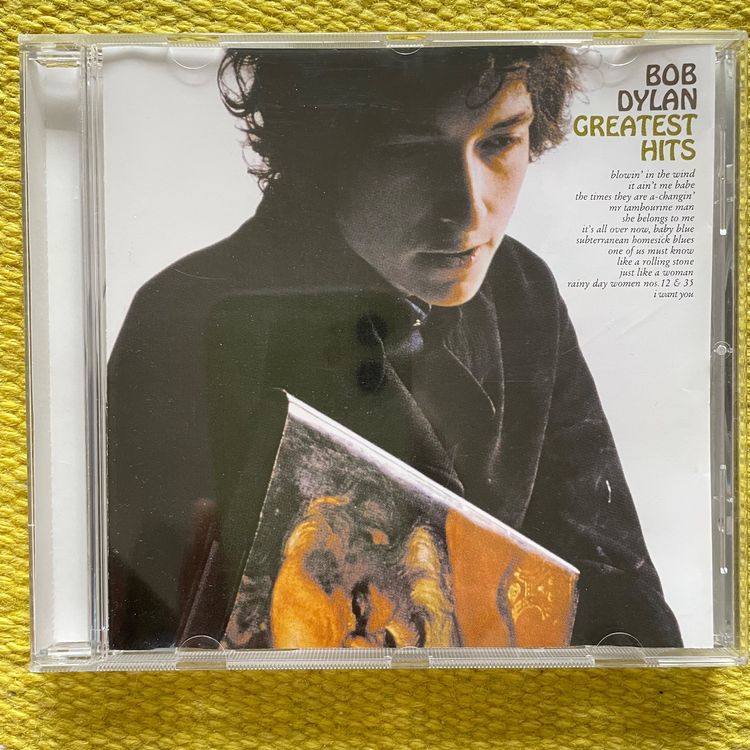
Dylan’s massive payout was no accident of history. From the very beginning of his career, he demonstrated an acute awareness of the business side of art. Unlike many of his contemporaries in the 1960s who signed away their publishing rights for pittance, Dylan fought hard to retain ownership of his work whenever possible.
Throughout the 1970s and 1980s, he managed his portfolio tightly. By controlling his catalog, he positioned himself as the ultimate seller when private equity and major labels began aggressively buying up music rights in the late 2010s. Wall Street money flooded the music industry, and institutional investors were hunting for predictable, bond-like yields. Legacy music catalogs offered exactly that—recession-proof assets with steady cash flows.
The Financial Ripple Effect on the Music Industry
Dylan's transaction with Universal Music Group broke the dam. Shortly after the ink dried on his contract, other legendary artists rushed to monetize their life's work. Bruce Springsteen sold his publishing and masters to Sony for a staggering $500 million. Neil Young, Paul Simon, Stevie Nicks, and Red Hot Chili Peppers followed suit.
These artists realized a fundamental truth: passing a massive catalog of copyrights to heirs can trigger crippling estate taxes and administrative nightmares. By cashing out during their lifetimes, they converted complex intellectual property into liquid wealth that could be easily managed, invested, or distributed to family trusts.
What the $400 Million Valuation Teaches Us About Legacy
Bob Dylan's historic sale proves that artistic integrity and savvy business acumen are not mutually exclusive. By refusing to compromise his creative vision while simultaneously guarding his economic interests, he built a financial fortress.
Today, those 600 songs continue to generate revenue for UMG, validating the hefty price tag. For Dylan, the $400 million truth is simple: true wealth in the music industry doesn't come from a single hit single or even a massive stadium tour. It comes from writing timeless songs and refusing to let go of them until the timing—and the price—is entirely right.


