Bob Dylan's $500M Masterpiece: The Ultimate Deal
Introduction
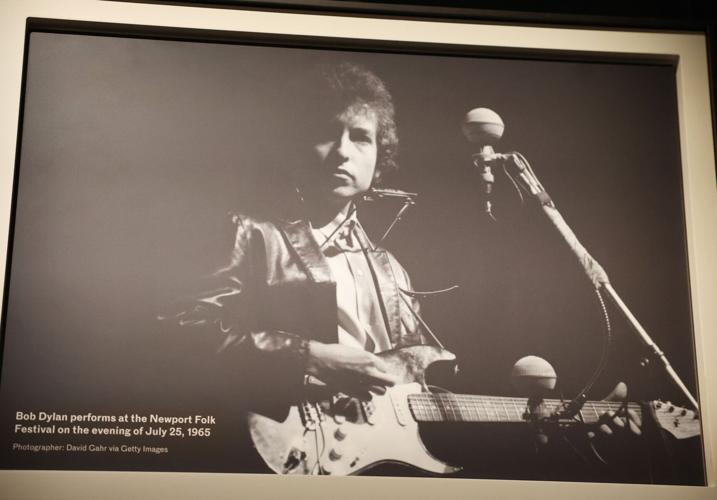
For decades, Bob Dylan was known purely as a poetic troubadour, a Nobel Prize-winning lyricist, and a foundational pillar of American folk and rock music. However, in recent years, a new narrative has emerged around his legendary career: The $500 Million Breakthrough: Bob Dylan’s Mastery Turned into a Financial Masterpiece! This monumental transaction permanently shifted how the music industry views legacy catalogs and artist valuation.
When Dylan agreed to sell his entire catalog of recorded music to Sony Music Entertainment in 2022—followed closely by the sale of his songwriting publishing rights to Universal Music Group—he didn't just cash out. He executed a calculated financial strategy that converted decades of artistic output into an airtight, generational asset.
The Anatomy of a Half-Billion-Dollar Catalog Deal
To understand the sheer scale of Dylan's financial success, it helps to break down the moving parts of his landmark agreements. Unlike pop stars who sell their rights at the peak of their radio rotation, Dylan secured an unprecedented payday deep into his career.
Universal Music Group: The Publishing Rights
In late 2020, Dylan struck a blockbuster deal with Universal Music Group (UMG) covering his entire songwriting catalog. This historic agreement encompassed over 600 tracks spanning six decades—from 1962's 'Blowin' in the Wind' to deep cuts from his 2020 album Rough and Rowdy Ways.
While the exact financial terms of the UMG publishing deal were kept private, industry insiders widely estimated the value to be between $300 million and $400 million. This gave UMG the global income streams and copyright control over the underlying compositions.
Sony Music Entertainment: The Master Recordings
Not content with selling just his lyrics and melodies, Dylan finalized a landmark agreement with Sony Music Entertainment in early 2022. This deal covered the master recordings of his entire recorded catalog, as well as the rights to multiple future new releases.
Combined with the UMG publishing agreement, the total valuation of Dylan's catalog assets surpassed the half-billion-dollar mark. For an artist who famously rejected commercialism in the 1960s, this represented the ultimate corporate and financial validation of his life's work.

Why Legacy Catalogs Have Skyrocketed in Value
Bob Dylan’s transaction was not an isolated incident; it triggered a massive gold rush of catalog acquisitions. Bruce Springsteen, Neil Young, Stevie Nicks, and Red Hot Chili Peppers soon followed suit. However, Dylan's deal remains the benchmark. Several market factors drove this unprecedented surge in valuation:
- Streaming Dominance: Platforms like Spotify and Apple Music provide predictable, recurring royalty streams that generate revenue 24/7.
- Tax Advantages: Selling catalog rights often allows artists to be taxed under capital gains rates rather than standard income tax rates, protecting their fortunes.
- Estate Planning: Rather than forcing heirs to manage complex, fragmented royalty streams across multiple publishers and labels, a clean sale provides instant liquidity and stability.
- Inflation Hedge: Institutional investors view timeless music catalogs as reliable, recession-proof assets that generate steady cash flow regardless of economic downturns.
How Dylan Controlled His Narrative
What makes Dylan's financial maneuver particularly brilliant is his lifelong control over his creative output. Throughout his career, Dylan maintained ownership or strategic control over key elements of his work. When major streaming platforms and private equity firms began aggressively buying up publishing rights, Dylan was uniquely positioned to negotiate from a position of absolute strength.
By partnering with established giants like Sony and Universal rather than speculative investment funds, Dylan ensured that his archive would be actively marketed, preserved, and distributed globally by companies with the infrastructure to maximize its long-term value.
The Broader Impact on the Music Industry
The ripple effects of Dylan’s massive monetization strategy fundamentally changed the economics of the music industry. Songwriters, who historically made the bulk of their money from touring and physical record sales, realized their back catalogs were equivalent to prime real estate portfolios.
Furthermore, the deal redefined what retirement looks like for aging rock and folk legends. Instead of touring into their eighties out of financial necessity, artists can now monetize their life's work upfront, funding philanthropic efforts, creative projects, or simply securing their family's financial future.
Conclusion
Bob Dylan’s transformation from anti-establishment folk icon to astute business titan is one of the most fascinating arcs in cultural history. By treating his art as a long-term investment class, he proved that poetic mastery and financial acumen are not mutually exclusive. The half-billion-dollar valuation of his catalog stands as a testament to the enduring power of great songwriting—and a masterclass in modern asset management.