Bob Dylan’s Billion-Dollar Journey
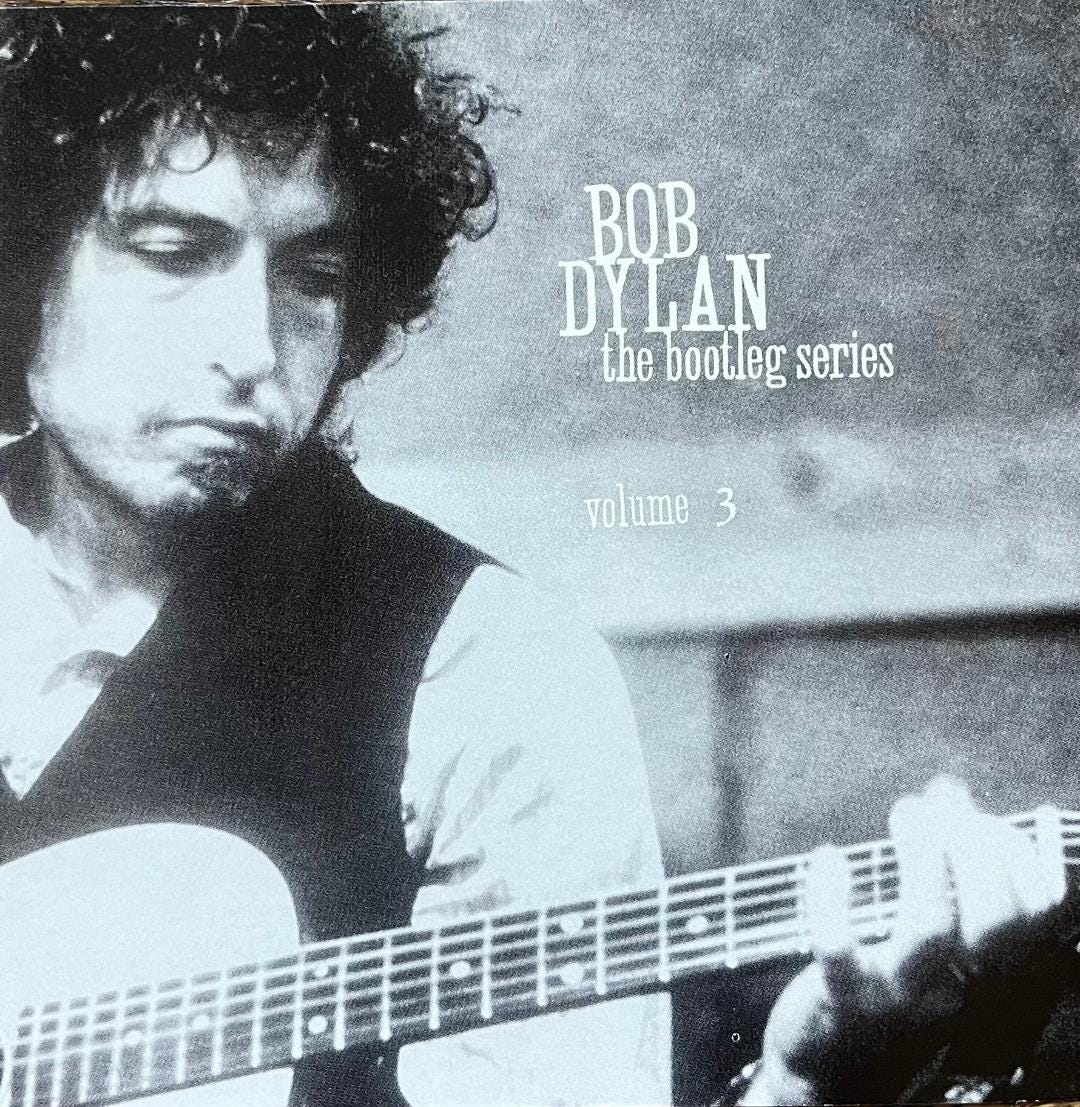
When Bob Dylan first picked up an acoustic guitar in the early 1960s, singing raw protest anthems in the smoky folk clubs of Greenwich Village, nobody—least of all the young artist himself—associated him with corporate finance. Yet, decades later, the elusive Nobel laureate engineered one of the most lucrative financial portfolios in music history. Bob Dylan’s billion-dollar journey: the music that built his fortune! is a testament to the enduring value of visionary songwriting, relentless touring, and astute asset management.
From Coffee Houses to Global Icon
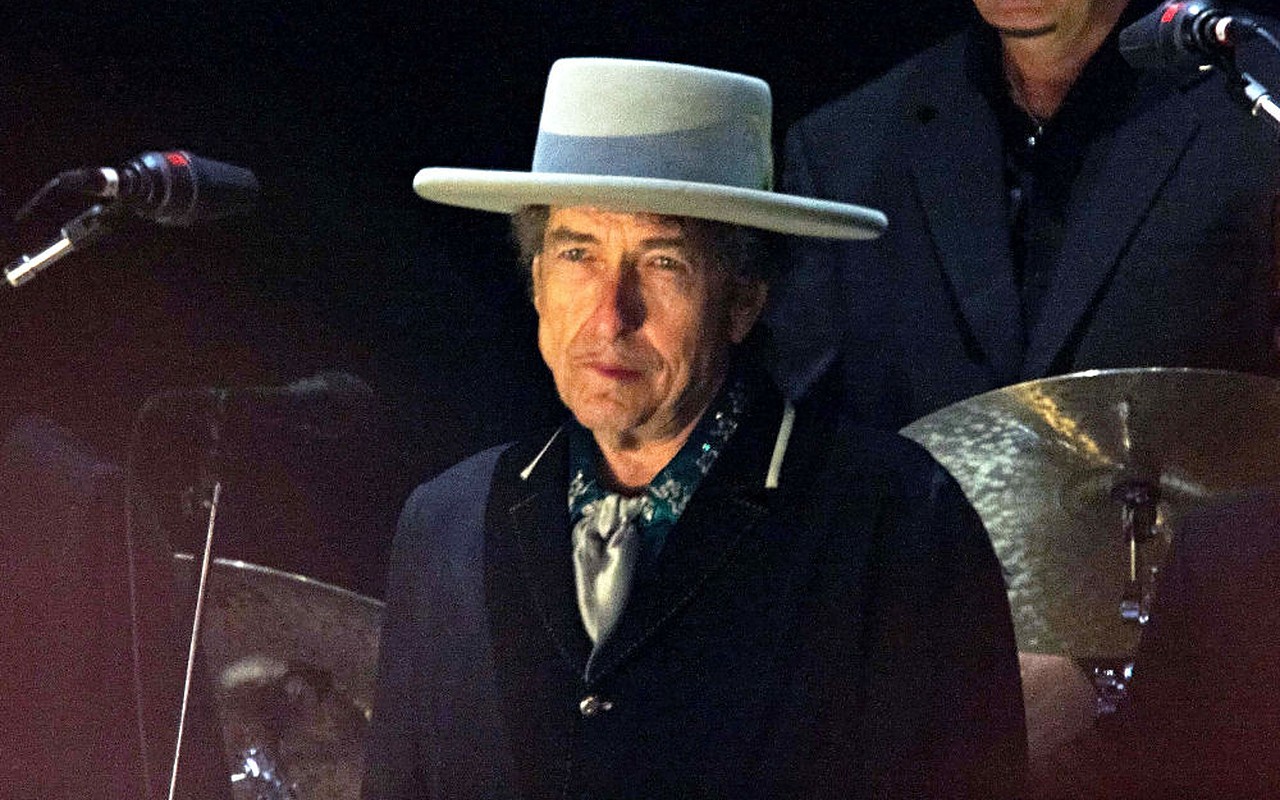
Dylan’s rise to fame was built entirely on words and melodies that fundamentally altered popular culture. Dropping out of the University of Minnesota, he moved to New York City in 1961, quickly captivating the folk scene with poetic masterpieces like "Blowin’ in the Wind" and "The Times They Are a-Changin'."
Unlike many of his pop-star peers who relied heavily on producers and outside writers, Dylan owned his lyrics and compositions from the very beginning. This ownership proved to be the foundational bedrock of his wealth. While record sales generated steady royalties, the true monetary value lay in publishing rights—the underlying ownership of the songs themselves whenever they were recorded, streamed, or performed by others.
The Historic Universal Music Publishing Group Sale
The turning point in Bob Dylan’s billion-dollar journey came in late 2020, amidst the uncertainty of the global pandemic. In a blockbuster deal that sent shockwaves through the music industry, Dylan sold his entire songwriting catalog to Universal Music Group (UMG).
While the exact financial terms were kept private, industry insiders widely reported the purchase price to be roughly $300 million to $400 million. This acquisition covered more than 600 tracks spanning six decades—from his 1962 self-titled debut album up through his 2020 release, Rough and Rowdy Ways.
Why Songwriting Catalogs Became Gold Mines
The UMG deal marked the beginning of a massive gold rush where legacy artists cashed out their lifetime works. Several factors made Dylan's catalog particularly valuable:
- Perpetual Streaming Revenue: Unlike physical vinyl or CDs which degrade, digital streaming provides a 24/7, global revenue stream that generates cash flow month after month.
- Cultural Permanence: Dylan’s songs have been covered more than 6,000 times by legendary artists including Jimi Hendrix, Adele, and Guns N' Roses, creating multiple streams of derivative income.
- Tax Advantages: Selling a catalog as a capital asset rather than treating ongoing royalties as income offered massive tax efficiencies for the aging artist.
The Sony Music Master Recordings Deal
Not content with selling just his publishing rights, Dylan doubled down on his business empire in 2022. He struck another massive agreement, this time selling his recorded music catalog—the actual master recordings of his songs—to Sony Music Entertainment.
Estimated to be worth an additional $150 million to $200 million, this second major transaction cemented his status as a financial heavyweight. By separating the publishing rights (the lyrics and notes) from the master recordings (the specific audio files), Dylan managed to monetize two distinct intellectual property streams from the exact same body of work.
The Never Ending Tour and Live Revenue
While catalog sales provided a massive lump-sum windfall, Dylan’s wealth is also the product of an astonishing work ethic. Since June 1988, he has been on what is aptly named the "Never Ending Tour."
Even well into his eighties, Dylan routinely plays around 80 to 100 shows a year across the globe. Live performance income—derived from ticket sales, VIP packages, and exclusive merchandise—has historically been the most reliable engine for working musicians. Over a career spanning more than sixty years, these thousands of live performances have added tens of millions of dollars to his growing empire.
Real Estate, Whiskey, and Diverse Investments
Beyond royalties and touring, Dylan diversified his wealth into tangible assets. He has quietly amassed an impressive real estate portfolio over the decades, including:
- A sprawling multi-acre estate in Malibu, California.
- A historic Scottish mansion, Aultmore House, purchased in 2006.
- Various properties in his home state of Minnesota and the New York area.
Furthermore, Dylan entered the commercial spirits market as a co-founder of Heaven’s Door Whiskey. By lending his name, brand aesthetic, and artistic vision to a craft whiskey line, he tapped into the highly lucrative luxury beverage market. When a portion of Heaven's Door was later acquired by a larger spirits conglomerate, it added yet another lucrative feather to his cap.
A Blueprint for Modern Music Wealth
Bob Dylan’s journey from a penniless folk singer to a billionaire mogul offers a profound lesson in artistic autonomy. By retaining control of his publishing early in his career, riding out decades of relentless touring, and executing masterclass financial maneuvers in his twilight years, he redefined what it means to be a successful independent artist.
Ultimately, Bob Dylan proved that true artistic integrity and immense financial success are not mutually exclusive. Through brilliant songwriting and sharp business acumen, he built a legendary fortune that will echo through cultural history for generations to come.