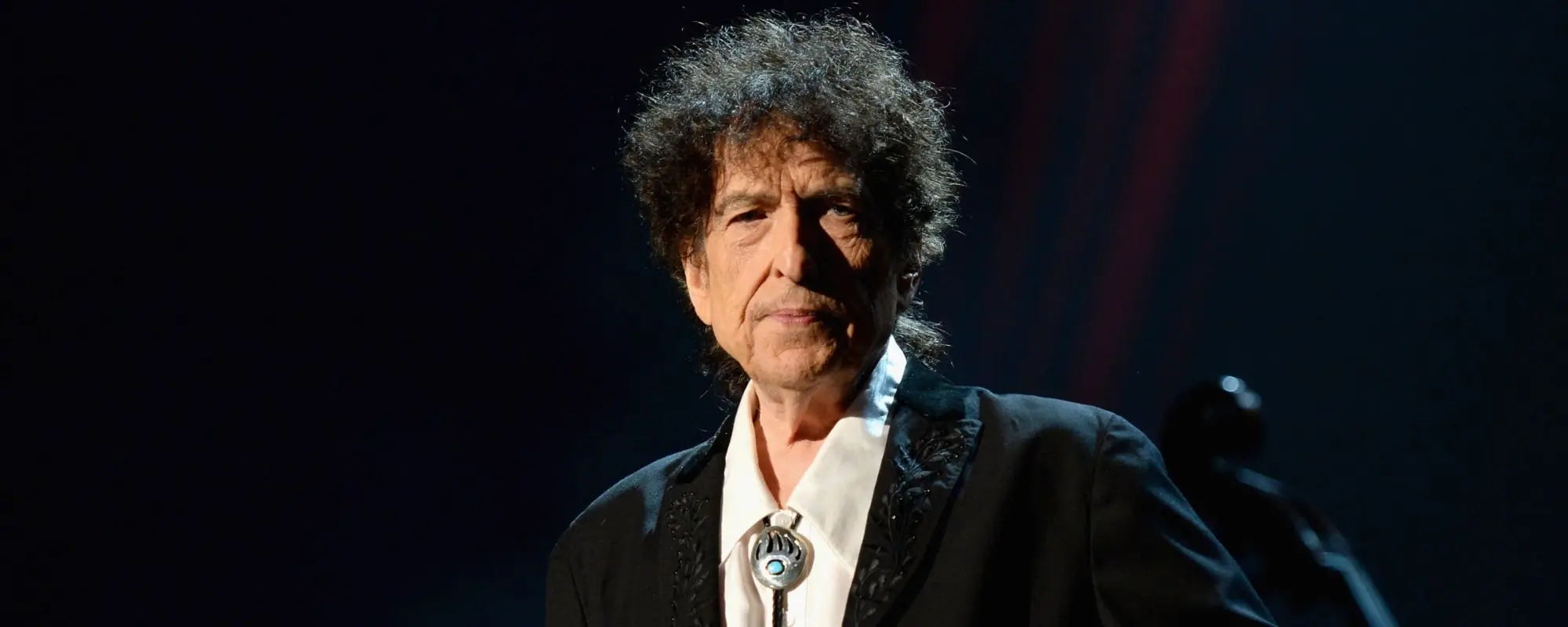
Bob Dylan’s Billion Dollar Journey: Protest to Wealth
When a twenty-year-old Robert Allen Zimmerman arrived in Greenwich Village in the freezing winter of 1961, he had little more than a beat-up acoustic guitar, a pocketful of woody Guthrie-inspired melodies, and roughly ten dollars to his name. Over the next six decades, that scruffy folk singer would not only secure the Nobel Prize in Literature but also engineer one of the most lucrative commercial trajectories in entertainment history. Bob Dylan’s Billion Dollar Journey: From protest songs to astounding wealth represents a profound shift in modern music: the transformation of a countercultural icon into a self-made titan of creative commerce.
.jpg)
While generations of fans revere Dylan as the enigmatic voice of civil rights and generational defiance, Wall Street and corporate entertainment executives recognize him for something equally formidable: an astute, fiercely protective businessman who maintained control over his intellectual property long before the music industry recognized its true value.
The Greenwich Village Roots: Turning Protest into Intellectual Property
Dylan’s commercial ascent began during the American folk music revival of the early 1960s. Armed with topical anthems like "Blowin' in the Wind," "Masters of War," and "The Times They Are A-Changin'," Dylan quickly established himself as a generational songwriter. Yet, behind the coffeehouse performances and civil rights marches lay a crucial business realization: the true leverage in the music industry does not reside in record sales alone, but in publishing rights.
Mentored by the legendary talent scout John Hammond, who signed him to Columbia Records in 1961, and managed by the aggressive Albert Grossman, Dylan learned early that songwriters held the ultimate trump card. When artists like Peter, Paul and Mary, The Byrds, and Manfred Mann took his compositions to the top of the pop charts, Dylan collected mechanical and performance royalties without ever having to step into a radio studio himself.
Retaining the Master Keys: The Power of Copyright Ownership
Throughout the 1970s and 1980s, countless rock and pop stars forfeited their master recordings and songwriting catalogs in predatory management contracts, tax shelters, or messy divorces. Dylan took a decidedly different approach. By establishing his own publishing entity, Special Rider Music, Dylan steadily clawed back control over his work.
Dylan understood that intellectual property functions like prime real estate. Every time a song was covered, licensed for a film, sampled, or broadcast on radio, the revenue flowed back to his own accounts. By avoiding the typical pitfalls of lavish rock-star overextension and fiercely auditing his royalties, Dylan allowed his body of work—spanning more than 600 compositions—to compound in value year after year.
The Never Ending Tour: A Four-Decade Cash Machine
While recorded music endured turbulent cycles—from vinyl to cassettes, CDs, digital pirating, and streaming—Dylan built an impenetrable live revenue foundation. On June 7, 1988, he launched what fans and journalists dubbed the "Never Ending Tour."
This was not a standard promotional tour tied to album cycles. Instead, it was an operational routine that saw Dylan perform roughly 80 to 100 concerts every single year for more than three decades. Key financial advantages of this strategy included:
- Steady Cash Flow: Performing in mid-sized arenas, theaters, and festival grounds across the globe generated reliable annual gross revenues ranging from $20 million to $40 million.
- Lean Overhead: Unlike contemporary pop spectacles requiring massive light shows, choreography, and dozens of semi-trucks, Dylan toured with a tight, world-class backing band and minimal stage production.
- Evergreen Merchandising: Constant touring sustained a dedicated global market for merchandise, limited-edition vinyl pressings, and archival live releases.
By the time the COVID-19 pandemic temporarily halted live music in 2020, Dylan had performed over 3,000 shows on the Never Ending Tour, generating an estimated $400 million in career ticket sales alone.
Video: Bob Dylan: From Protest Songs to Prayer

Bob Dylan’s Billion Dollar Journey: From Protest Songs to Astounding Wealth
The turning point that transformed Dylan from a wealthy legacy musician into a member of music’s financial ultra-elite arrived between 2020 and 2022. As streaming platforms stabilized the valuation of legacy song catalogs, institutional investors and major labels began offering historic multiples for evergreen musical copyrights. Dylan recognized that market valuations had reached an absolute peak.
The Universal Music Publishing Mega-Deal (2020)
In December 2020, Dylan shocked the entertainment landscape by selling his entire songwriting catalog—encompassing six decades of compositions—to Universal Music Publishing Group (UMG). The landmark deal was estimated by industry insiders to be worth between $350 million and $400 million. Unlike streaming payouts, which arrive in microscopic fractions of a cent, this transaction delivered an unprecedented lump-sum windfall.
The Sony Music Masters Acquisition (2021)
Just months later, in July 2021 (publicly announced in January 2022), Dylan struck again. He sold his entire recorded music catalog—the actual master tapes spanning his debut in 1962 through his 2020 release Rough and Rowdy Ways—to Sony Music Entertainment. This deal was valued at an estimated $150 million to $200 million, while also securing future archival distribution agreements for his legendary "Bootleg Series."
Combined with previous archival transactions, these two sales injected over half a billion dollars in liquid capital into Dylan’s holdings. When added to his lifetime publishing earnings, decades of touring, and ancillary business ventures, Dylan’s enterprise easily crossed the billion-dollar threshold in total career wealth generation.
Beyond the Music: Diversifying the Empire
Dylan’s financial acumen extends far beyond master tapes and publishing rights. In his later years, he systematically diversified his portfolio across real estate, fine art, consumer goods, and institutional archives.
- The Tulsa Archive Sale (2016): Dylan sold his personal archive—consisting of 6,000 personal artifacts, handwritten notebooks, and unreleased recordings—to the George Kaiser Family Foundation and the University of Tulsa for an estimated $20 million, creating the permanent Bob Dylan Center.
- Heaven’s Door Spirits: In 2018, Dylan co-founded Heaven’s Door Spirits, a craft American whiskey collection featuring his signature ironwork designs on the bottles. The brand quickly expanded internationally, capitalizing on the high-margin premium spirits market.
- Fine Art Exhibitions: Dylan has developed an acclaimed secondary career as a visual artist. His paintings, iron gates, and bronze sculptures are showcased in elite galleries globally, frequently commanding six-figure prices from private collectors.
Strategic Financial Lessons from Dylan’s Empire
Dylan’s monetization strategy offers compelling lessons in long-term intellectual property management and estate planning:
- Timing the Market: Dylan parted with his assets when interest rates were near zero and institutional catalog funds were offering peak multiples of 20x to 30x annual net publisher's share.
- Tax Efficiency: Selling publishing assets allowed Dylan to convert future royalty streams—typically taxed at ordinary income rates as high as 37%—into long-term capital gains, significantly reducing his tax liability.
- Streamlined Succession Planning: Handing complex, litigious royalty arrangements to multi-generational heirs often fractures estates. By converting artistic rights into diversified liquid wealth, Dylan provided absolute clarity and security for his family.
Bob Dylan fundamentally dismantled the myth of the starving, commercially aloof artist. By pairing artistic integrity with shrewd business pragmatism, he demonstrated that protecting your voice requires owning your output. His trajectory from a freezing Manhattan sidewalk to the upper echelons of international commerce stands as music history's ultimate masterclass in owning your genius.