Bob Marley’s Hidden Fortune: His $500M Legacy
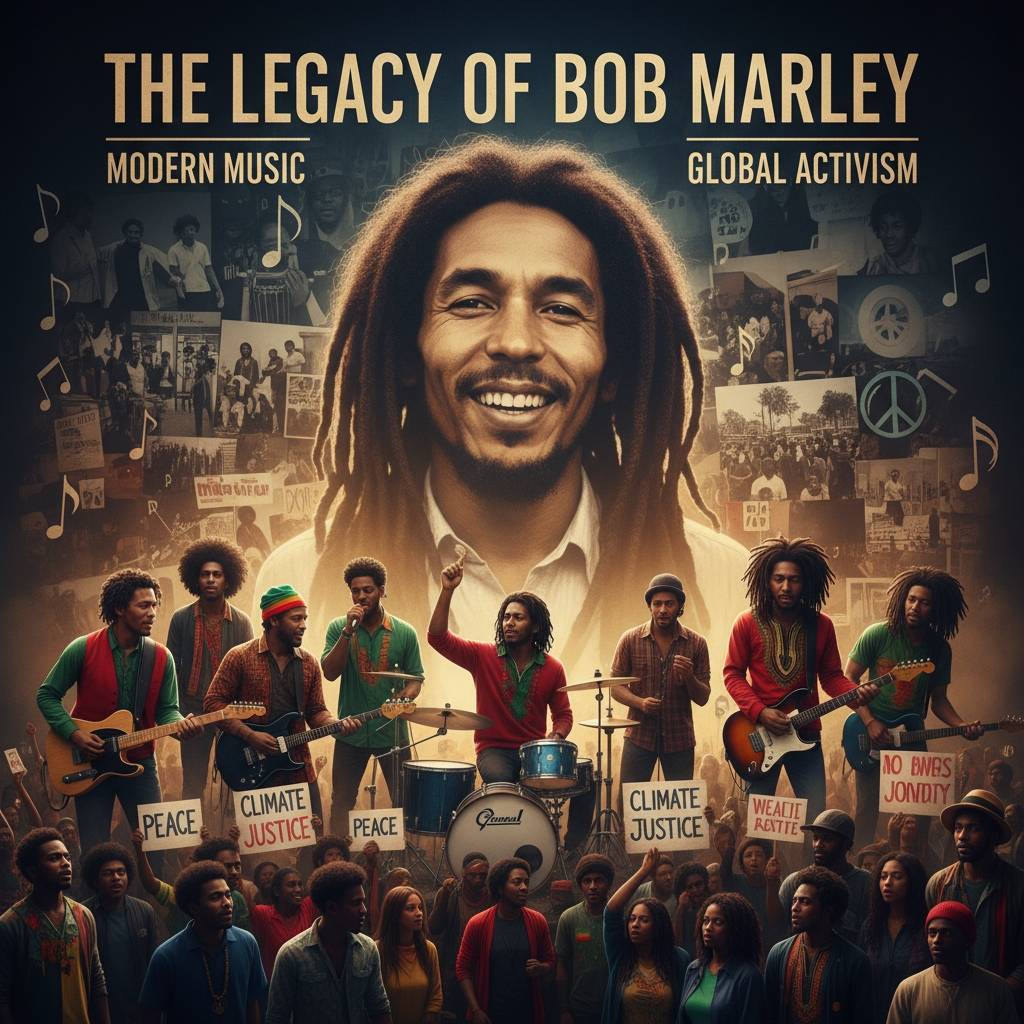
When reggae icon Bob Marley passed away in May 1981 at the age of 36, he left behind a transcendent catalog of music, a global message of peace, and surprisingly complicated financial affairs. He also left no will. In the decades since his untimely death, his estate has transformed from a contentious legal battleground into a commercial powerhouse. Exploring the hidden fortune behind Bob Marley: how his legacy values up to $500M! reveals a masterclass in modern estate management, brand preservation, and savvy commercial expansion.

The Messy Beginning: Dying Intestate in 1981
Despite achieving international stardom with hits like "No Woman, No Cry," "Jamming," and "Could You Be Loved," Marley never executed a formal last will and testament. In keeping with Rastafarian beliefs, he resisted formal estate planning, viewing the prospect of drafting a will as an acknowledgment of mortality. Consequently, under Jamaican intestacy law, his estate was divided automatically: 10% went to his widow, Rita Marley, 45% was held in trust for his children, and the remaining 45% was distributed among his mother and other recognized heirs.
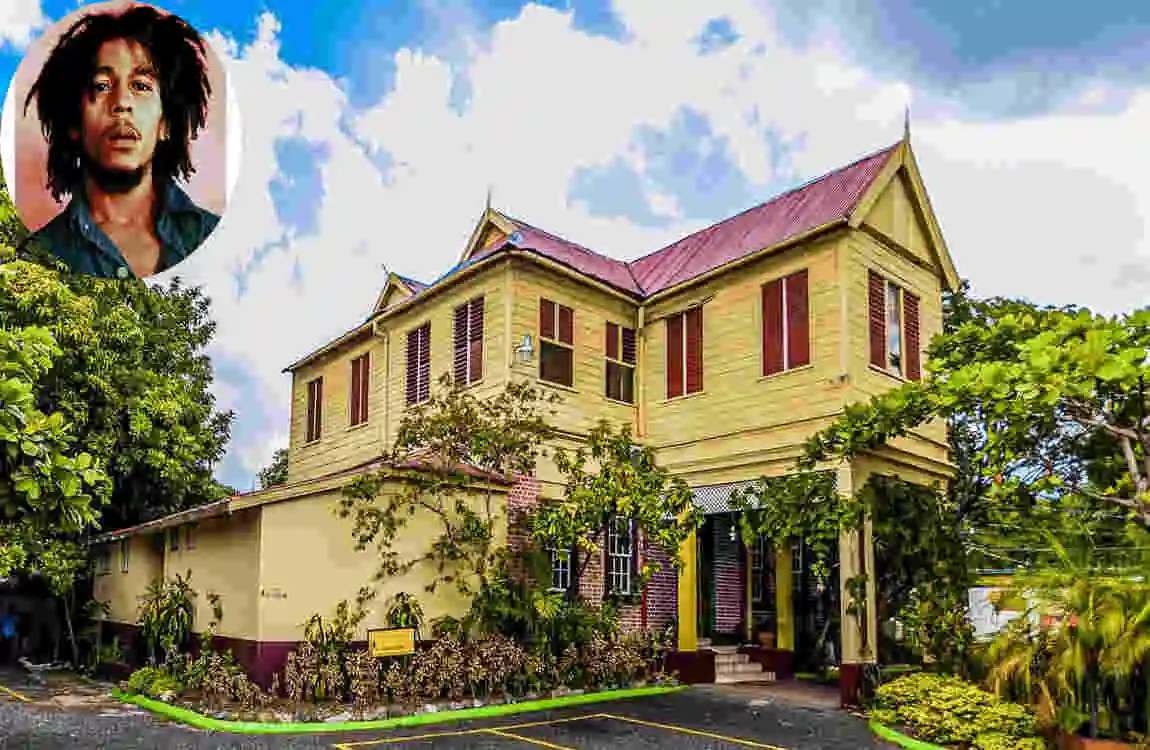
At the time of his death, the estate’s liquid value was modest compared to today’s corporate standards—estimated around $10 million to $30 million. What followed was a decade-long legal struggle involving former managers, international recording labels, and fraudulent asset transfers. It was not until the early 1990s that Rita Marley and her children successfully regained unified legal control over Bob Marley's name, likeness, and intellectual property under the umbrella of 56 Hope Road Music Ltd.
The Hidden Fortune Behind Bob Marley: How His Legacy Values Up to $500M
While industry analysts regularly see Marley's name near the top of the annual Forbes list of highest-earning deceased celebrities—averaging between $15 million and $25 million in annual revenue—the aggregate value of the intellectual property tells a far bigger story. When tallying catalog equity, continuous licensing contracts, and physical and digital product sales, the enterprise valuation of Marley's assets easily pushes toward the $500 million mark.
This valuation is not built on nostalgia alone. It is backed by consistent, recurring cash flows across multiple non-traditional industries:
- The Perpetual Music Catalog: Marley's 1984 greatest hits compilation, Legend, is the second longest-charting album in Billboard 200 history, behind only Pink Floyd’s The Dark Side of the Moon. It sells hundreds of thousands of copies every year, outperforming many modern chart-toppers.
- Global Streaming Revenue: Marley commands over 20 million monthly listeners on Spotify alone, driving massive royalties from digital service providers across the globe.
- Direct Licensing and Merchandise: Millions of T-shirts, posters, vinyl pressings, and lifestyle accessories are sold annually through major retail chains and online distributors.
- Diversified Consumer Ventures: The Marley family has expanded the brand into high-margin lifestyle markets, including sustainable audio tech, premium cannabis, and specialty coffee.
House of Marley: Eco-Friendly Consumer Tech
Rather than simply licensing his signature to third-party tech manufacturers, the Marley estate launched House of Marley, a consumer electronics brand producing turntables, headphones, and Bluetooth speakers. Built on principles of eco-sustainability, the company uses FSC-certified wood, recycled aluminum, and proprietary eco-fabrics. By catering to environmentally conscious music fans, House of Marley carved out a profitable niche in a market dominated by tech giants like Sony and Apple.
Marley Natural and Marley Coffee
Few artists share as organic an association with cannabis culture as Bob Marley. Recognizing the shifting legal landscape worldwide, the family partnered with private equity firm Privateer Holdings to launch Marley Natural. The brand offers legal cannabis products, lifestyle accessories, and body care items formulated with Jamaican botanicals across legal jurisdictions.
Similarly, Marley Coffee—founded by Bob's son Rohan Marley—capitalized on the global demand for sustainable, fair-trade Arabica beans. Sourcing beans from the Jamaican Blue Mountains and sustainable farms worldwide, the brand secures valuable shelf space in grocery stores across North America and Europe, driving enterprise value completely separate from music streaming.
Guarding the Name: Relentless Brand Protection
A critical reason Bob Marley's hidden fortune continues to climb rather than dilute is aggressive trademark protection. In the 1980s and 1990s, bootleg merchandise flooded markets worldwide. Anyone with a silk-screen press was selling unauthorized Marley apparel.
56 Hope Road Music Ltd. mounted an aggressive legal campaign to reclaim ownership. In a landmark 2015 U.S. court ruling (Fifty-Six Hope Road Music Ltd. v. A.V.E.L.A., Inc.), the Ninth Circuit affirmed that selling unauthorized T-shirts bearing Marley’s face violated federal trademark law by creating false consumer association. This legal victory created a strong precedent that shields the Marley name, allowing the family to demand premium licensing rates from legitimate global partners like Adidas and Bravado.
The Family-Run Corporate Playbook
Unlike other celebrity estates that are sold off to massive private equity conglomerates or asset management firms like Hipgnosis, the Marley empire remains firmly within the family. Led by matriarch Rita Marley and children Ziggy, Cedella, and Stephen, the family acts as a unified board of directors.
Their business strategy revolves around three core rules:
- Authenticity Over Easy Cash: Endorsements and collaborations must align with Marley’s core values of unity, organic living, and social justice.
- Vertical Integration: Rather than solely taking royalty checks, the estate builds, co-owns, and manages companies directly to capture enterprise equity.
- Generational Preservation: The estate operates on a trust model designed to finance the creative endeavors of Marley’s children and grandchildren while funding philanthropic initiatives via the Bob Marley Foundation.
Why Bob Marley’s Fortune Will Keep Growing
The monetary value of an artist's catalog typically decays over time as older generations age out of the consumer market. Bob Marley stands as a rare exception. His music addresses timeless human themes: struggle against oppression, spiritual redemption, and love. As a result, each new generation discovers his work with the same intensity as the last.
Combined with biographical films like Bob Marley: One Love, expanding international cannabis legalization, and an unmatched licensing apparatus, Bob Marley’s financial legacy is secure. The hidden fortune built from a turbulent starting point in 1981 now stands as an enduring commercial empire, proving that an uncompromising artist can also become one of history’s most valuable global brands.