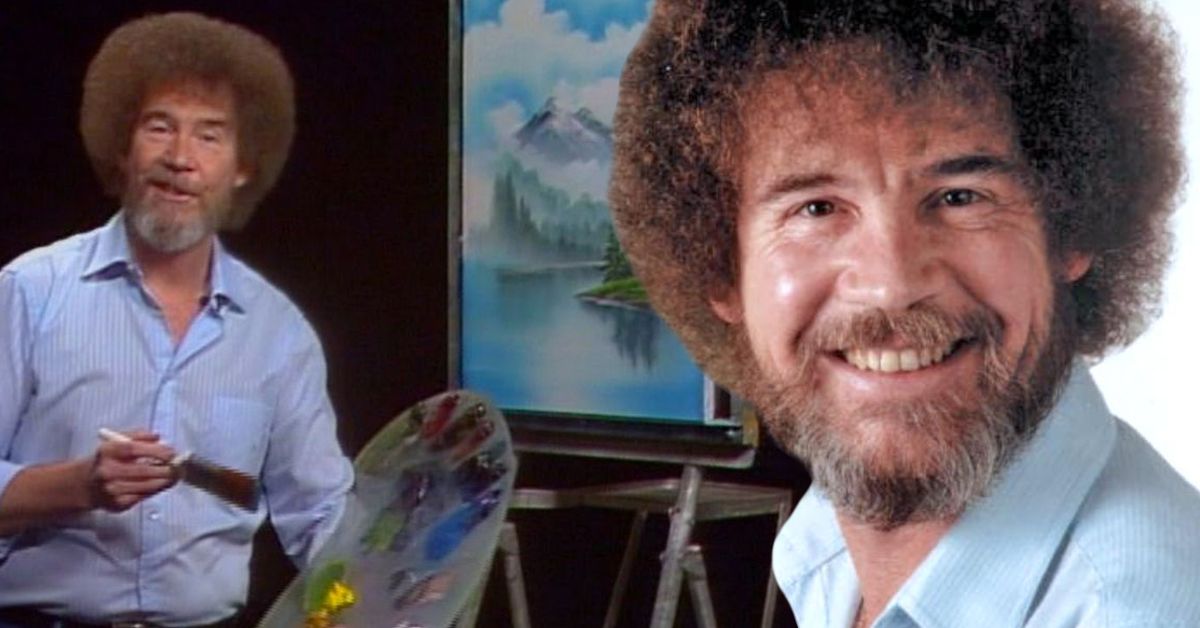
Bob Ross's Financial Empire: A Billion-Dollar Legacy
When people think of Bob Ross, they picture a gentle man with a trademark Afro, whispering about "happy little trees" while transforming a blank canvas into a majestic mountain scene in under thirty minutes. For decades, his PBS television show, The Joy of Painting, offered a soothing escape for millions. However, beneath the serene exterior and calming voice lay a surprisingly sharp business mind. Today, understanding Bob Ross’s Financial Empire: How He Reached a Billion Dollar Net Worth! reveals a masterclass in modern brand building, intellectual property management, and strategic marketing.

While Ross himself never saw a billion dollars in his bank account during his lifetime, the commercial engine he and his business partners built has since crossed that astonishing threshold. This deep dive explores how an instructional painting show evolved into a massive, multi-faceted corporate powerhouse.
The Humble Beginnings of a Master Marketer
Before television, Bob Ross spent two decades in the United States Air Force, where he famously adopted a stern, no-nonsense demeanor to match his rank as a master sergeant. Upon retiring, he vowed never to yell again and discovered the wet-on-wet oil painting technique popularized by German artist Bill Alexander. Ross refined the method, which allowed amateur painters to complete a landscape in a single sitting.
Recognizing the commercial viability of the technique, Ross partnered with Annette and Walt Kowalski in the early 1980s. Together, they formed Bob Ross Inc. (BRI). Instead of making money purely from selling his own original artwork—which Ross famously gave away in large quantities—the trio pivoted toward a scalable business model.
The Brilliant Business Model Behind PBS
A common misconception is that Ross made a fortune from his PBS broadcasts. In reality, public television stations aired The Joy of Painting for free, and Ross received no salary for hosting the show. Instead, PBS served as a massive, nationwide, zero-cost commercial for his true products.
- Instructional Materials: Selling how-to books and instructional video cassettes.
- Art Supplies: Developing and marketing a proprietary line of Bob Ross-branded paints, brushes, and canvases.
- Teacher Certification: Creating the Bob Ross Certified Instructor (CRCI) program, which charged students to learn how to teach his exact method.
Expanding Bob Ross’s Financial Empire: How He Reached a Billion Dollar Net Worth!
Following his passing in 1995 from lymphoma, control of Bob Ross Inc. remained with the Kowalski family. Rather than letting the brand fade into nostalgia, they aggressively protected, licensed, and expanded the intellectual property. This stewardship is the primary engine behind the modern valuation of the brand.

In the digital age, Bob Ross experienced a massive resurgence. When streaming platform Twitch marathon-broadcasted The Joy of Painting in 2015, it drew millions of new, younger viewers. This digital renaissance opened the floodgates for modern merchandising deals, propelling the enterprise into the billionaire boys' club of pop culture franchises.
Key Drivers of the Modern Valuation
Several distinct revenue streams contribute to the modern estimation of the brand's worth:
- Global Merchandise Licensing: From Chia Pets and board games to energy drinks and graphic tees, the likeness of Bob Ross has been licensed to hundreds of consumer products.
- High-End Collaborations: Partnerships with major global brands—including Adidas, Mountain Dew, and PUMA—generated substantial licensing fees and mainstream cultural relevance.
- Art Supply Dominance: The proprietary paint and brush line continues to be manufactured and sold globally to hobbyists and professional artists alike.
- Digital Streaming and Royalties: Revenue generated from YouTube ad-sense, licensing deals with streaming services, and digital distribution rights.
The Controversy and Reality of the Brand's Wealth
It is important to distinguish between Bob Ross’s personal estate during his life and the contemporary valuation of the corporation that bears his name. Ross lived a comfortable, middle-class life, prioritizing teaching and his love for animals over accumulating personal luxury. Legal battles between the Ross family and the Kowalskis over image rights, famously highlighted in a 2021 Netflix documentary, shed light on the cutthroat nature of managing such a lucrative enterprise.
Despite these controversies, the corporate entity of Bob Ross Inc. operates with staggering efficiency. When factoring in the aggregate retail sales of branded merchandise over the decades, combined with the perpetual licensing value of his image and television catalog, industry analysts comfortably place the enterprise's cumulative economic impact well past the billion-dollar mark.
Lessons in Legacy and Brand Building
The trajectory of Bob Ross offers timeless lessons for modern entrepreneurs and creators. By focusing on accessibility, community building, and scalable products rather than one-off high-ticket sales, Ross and his partners built a self-sustaining ecosystem. They turned a simple art lesson into a comforting cultural touchstone that continues to generate immense revenue decades later.
Ultimately, Bob Ross’s Financial Empire: How He Reached a Billion Dollar Net Worth! is a testament to the power of authentic branding. Bob Ross sold more than just titanium white and liquid clear; he sold peace, patience, and possibility. By keeping that core emotional connection intact, his business partners ensured that his happy little empire would thrive forever.