Boost Productivity with Clarion University's Calendar
College life moves fast, and staying on top of coursework requires more than just good intentions. Between exams, project deadlines, organization meetings, and personal commitments, it is easy to feel overwhelmed. However, one of the most underutilized tools for academic success sits right in front of every student: the institutional schedule. Learning how to boost your productivity with Clarion University's academic calendar can completely transform your semester from a frantic scramble into a well-managed journey.

By treating the official calendar not just as a list of dates, but as a strategic planning blueprint, you can align your study habits with university milestones. This guide explores practical ways to leverage this schedule to maximize your time, reduce stress, and achieve your GPA goals.
Understanding the Anatomy of the Academic Calendar
Before you can optimize your time, you need to understand what information the calendar provides. A standard university schedule outlines far more than just the first and last days of class. It details withdrawal deadlines, add/drop periods, registration windows, holiday breaks, and finals week.
When you look at the big picture of the semester, patterns emerge. For instance, knowing when midterms arrive allows you to work backward, breaking down large subjects into manageable weekly blocks. Familiarizing yourself with these key dates prevents nasty surprises and gives you psychological ownership over your time.
Step-by-Step Strategies to Boost Your Productivity
Simply glancing at the university schedule once a semester is not enough. To truly reap the benefits, you must integrate those dates into your daily and weekly workflow. Here is how to operationalize the calendar for maximum output.
1. Synchronize Digital and Physical Planners
The first step in leveraging the calendar is getting the dates where you will actually see them. Do not rely on memory or having to log into the university portal every time you want to check a deadline.
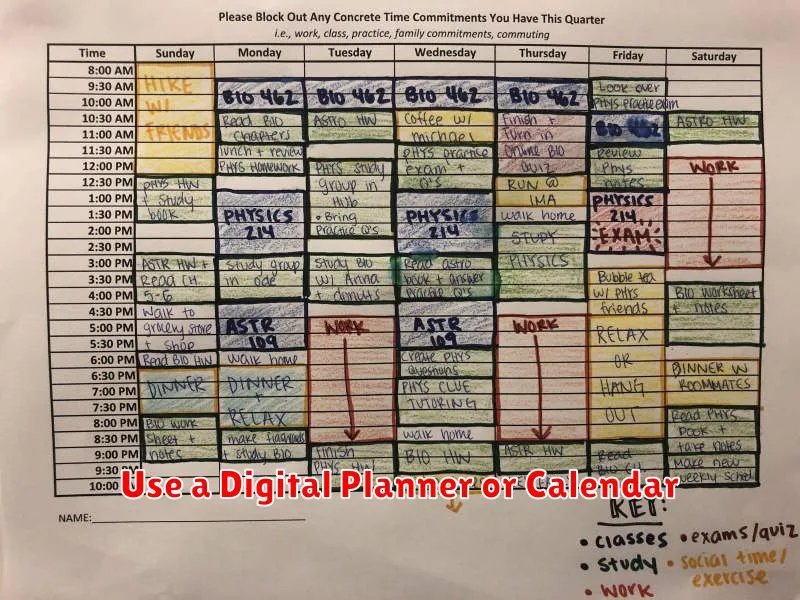
- Export to Digital: Sync the official academic calendar directly with your Google Calendar, Apple Calendar, or Outlook app. Set reminders for critical deadlines—not just for the day of the event, but one week and two weeks prior.
- Color-Coding: Use distinct colors for academic deadlines (exams, major papers), administrative dates (add/drop, financial aid), and personal commitments. Visual separation helps your brain quickly process your workload.
- The Master Wall Calendar: Hang a physical monthly or semester-at-a-glance whiteboard or paper calendar in your study space. Writing events down by hand aids memory retention and keeps your schedule top-of-mind.
2. Work Backward from Major Deadlines
Procrastination often stems from vagueness. When an assignment is listed as "due in a month," the human brain tends to push it to the back burner. You can neutralize this tendency by reverse-engineering your deadlines using the calendar.
Video: My Google Calendar System 🗓️ Student, Productivity & Time Management

Look at your major exams and research paper due dates on the Clarion schedule. Then, apply the rule of backward planning:
- Mark the final submission date in your planner.
- Schedule a "rough draft or core study completion" date one week prior.
- Break the preparation down into weekly milestones (e.g., Week 1: Research, Week 2: Outline, Week 3: Drafting).
This method turns intimidating university deadlines into bite-sized, actionable weekly tasks that fit easily into your routine.
3. Build Buffer Weeks Around High-Stress Periods
Not all weeks in a semester are created equal. Some periods feature multiple exams and project deadlines landing in the exact same five-day window. If you check the academic calendar early, you can spot these convergence zones.
Protect your productivity by building buffer weeks. If you see that midterms or finals fall during specific weeks, consciously lighten your extracurricular or social load during the preceding two weeks. By finishing readings early and banking extra study hours ahead of time, you prevent burnout and maintain high performance when pressure peaks.
Maximizing Non-Class Periods and Breaks
An effective productivity system accounts for rest just as much as work. The academic schedule highlights holidays, long weekends, and semester breaks. Instead of viewing these as unexpected pauses, plan for them strategically.
Use short breaks to catch up if you have fallen behind, or use them to completely disconnect so you return to class refreshed. Burnout is the enemy of productivity; knowing exactly when a scheduled break arrives gives you a psychological finish line to push toward during heavy study weeks.
Integrating Habit Tracking with University Milestones
Productivity is ultimately built on daily habits. Tie your daily study habits to the rhythm of the academic calendar to make consistency second nature.
For example, make Sunday evenings your designated calendar review time. Spend fifteen minutes looking at the upcoming two weeks of the university schedule to spot any hidden assignments or early morning commitments. By pairing a weekly review habit with the structural framework of the academic calendar, you take control of your time, reduce academic anxiety, and set yourself up for sustained collegiate success.