Breaking Down Loveland Library's Dewey Decimal System
Navigating a public library can sometimes feel like searching for a needle in a haystack, especially when you are looking for nonfiction books. If you have ever wandered the aisles wondering how libraries magically keep thousands of titles in order, you are not alone. Breaking down Loveland Library's Dewey Decimal System unlocks a logical, century-old method that makes finding information fast and predictable once you understand the basic framework.

Understanding the Basics of Library Organization
Before diving into specific numbers, it helps to understand how the Loveland Public Library separates its materials. Fiction books are generally organized alphabetically by the author’s last name, making it simple to browse your favorite novelists. However, nonfiction, reference materials, and biographies require a different approach because they cover endless subjects, from quantum physics to medieval history.
This is where Melvil Dewey's famous classification system comes in. Instead of sorting books by random categories, the library assigns every nonfiction book a specific numerical code based on its primary subject. This code, known as a call number, appears on the spine of the book and acts as its precise address on the shelf.
The Ten Main Classes in the Dewey Decimal System
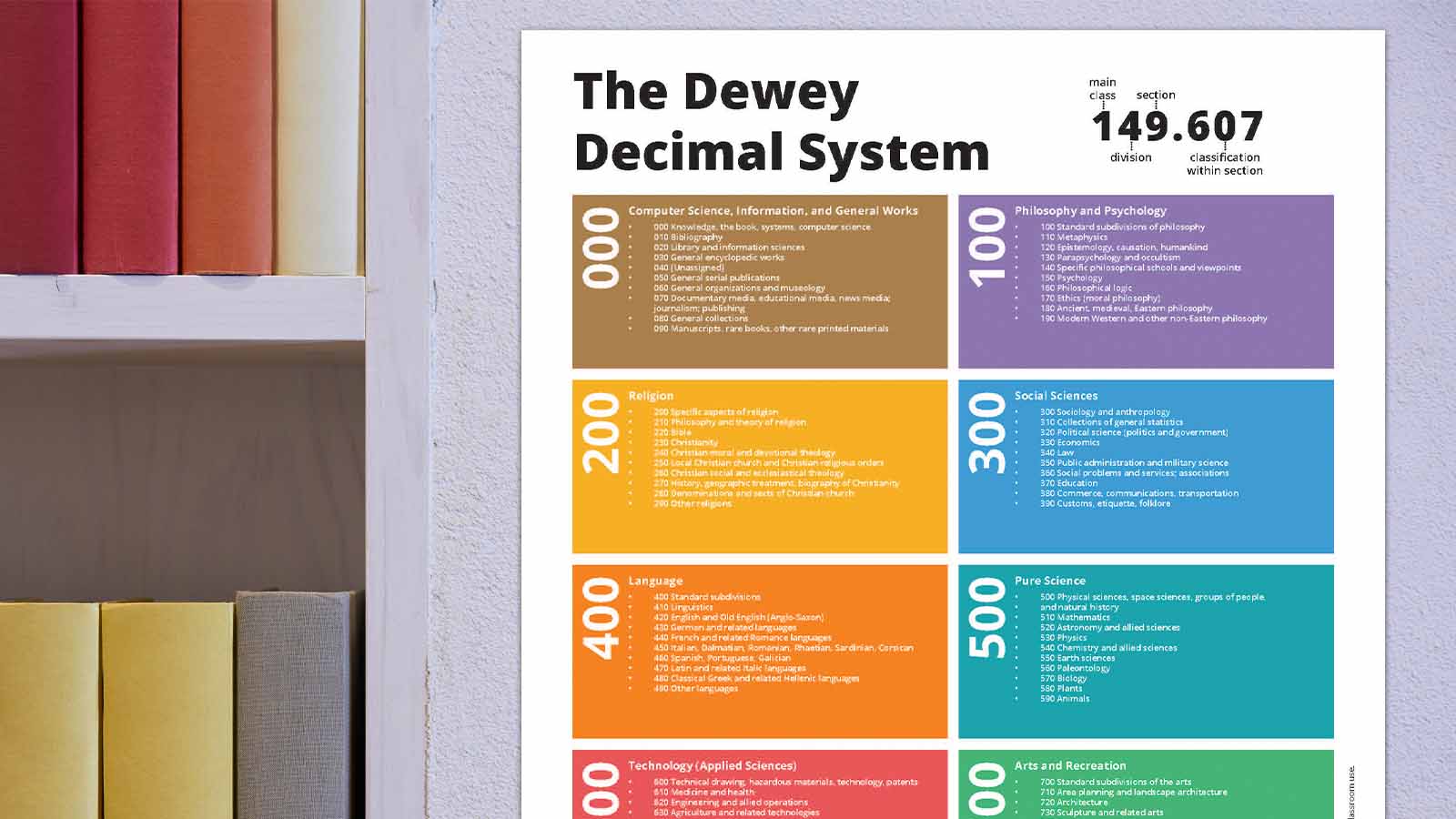
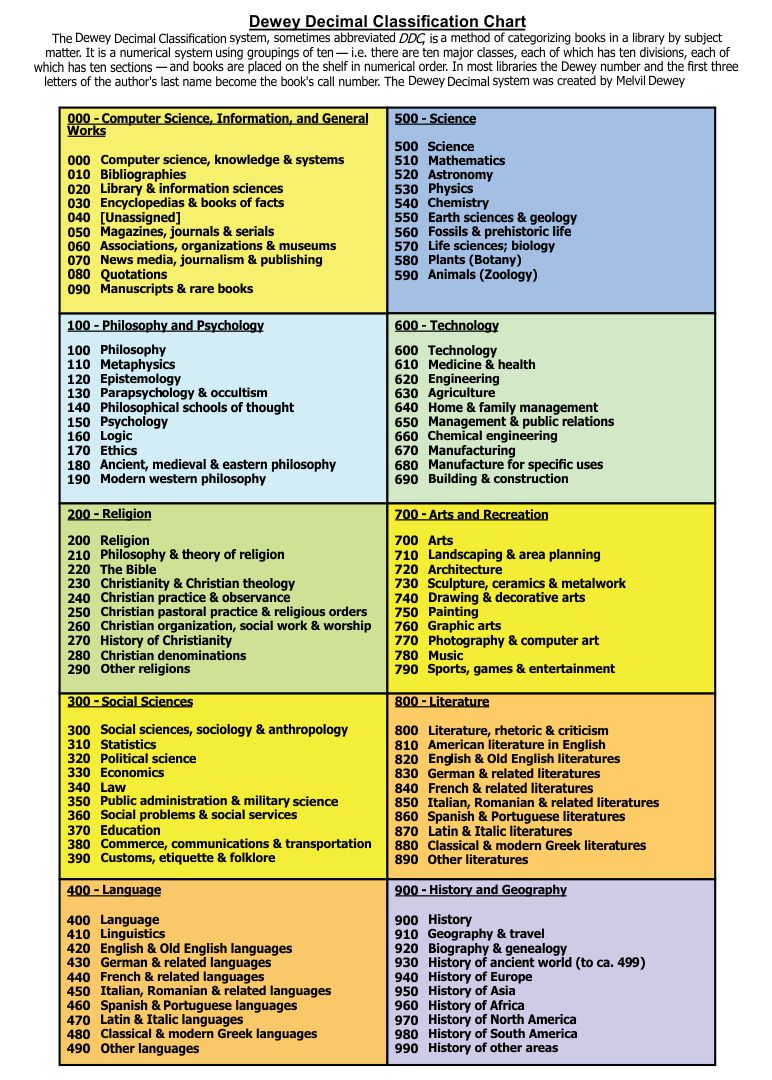
The genius of the Dewey Decimal System lies in its decimal structure, which breaks all human knowledge into ten broad categories. As you walk through the nonfiction stacks at the Loveland Public Library, you will notice the signage corresponds directly to these ten main classes:
- 000–099: Computer science, information, and general works (encyclopedias, journalism)
- 100–199: Philosophy and psychology (ethics, logic, human behavior)
- 200–299: Religion (world religions, mythology, theology)
- 300–399: Social sciences (sociology, education, law, government, economics)
- 400–499: Language (linguistics, specific languages, grammar dictionaries)
- 500–599: Natural sciences and mathematics (astronomy, physics, chemistry, biology)
- 600–699: Technology and applied science (medicine, engineering, agriculture, cooking, home economics)
- 700–799: Arts and recreation (fine arts, music, photography, sports, games)
- 800–899: Literature (poetry, drama, essays, literary criticism)
- 900–999: History, geography, and biography (world history, travel guides, collective and individual biographies)
How Decimals and Subcategories Work
The numbers listed above are just the starting point. The real power of the system comes from decimals, which allow the library to narrow down broad subjects into hyper-specific topics.
From Broad Categories to Specific Topics
For example, if you visit the 600s section, you are looking at applied science and technology. If you add a decimal, you get closer to your specific interest:
- 640: Home economics and family living
- 641: Food and drink
- 641.5: Cooking and cookbooks
- 641.59: International cooking
By reading the call number from left to right, patrons can zero in on the exact shelf and shelf height where their book lives. After the decimal point, numbers continue to divide subjects until the topic is as specific as necessary.

Tips for Finding Books at Loveland Public Library
While understanding the theory behind the numbers is helpful, putting it into practice in a busy library takes a few practical steps. Use these strategies to make your next trip efficient:
1. Always Start with the Online Catalog
Before wandering the aisles, use the public computers or your smartphone to check the Loveland Library online catalog. Searching for a title or subject will immediately yield a status update (available or checked out) and a specific call number.
2. Write Down the Full Call Number
Never rely on memory alone. Jot down the complete alphanumeric code, including any letters at the bottom of the spine label (such as the first three letters of the author's last name, which help alphabetize books within the exact same decimal number).
3. Ask a Librarian
Library staff are trained experts in information retrieval. If a specific Dewey Decimal range seems confusing or a book is missing from its expected shelf, the reference desk is always ready to assist.
Conclusion
Mastering how the Loveland Public Library organizes its stacks transforms a potentially overwhelming search into a rewarding treasure hunt. By learning the ten main classes and understanding how decimals refine topics, you can navigate the nonfiction shelves with confidence and find the exact resources you need.