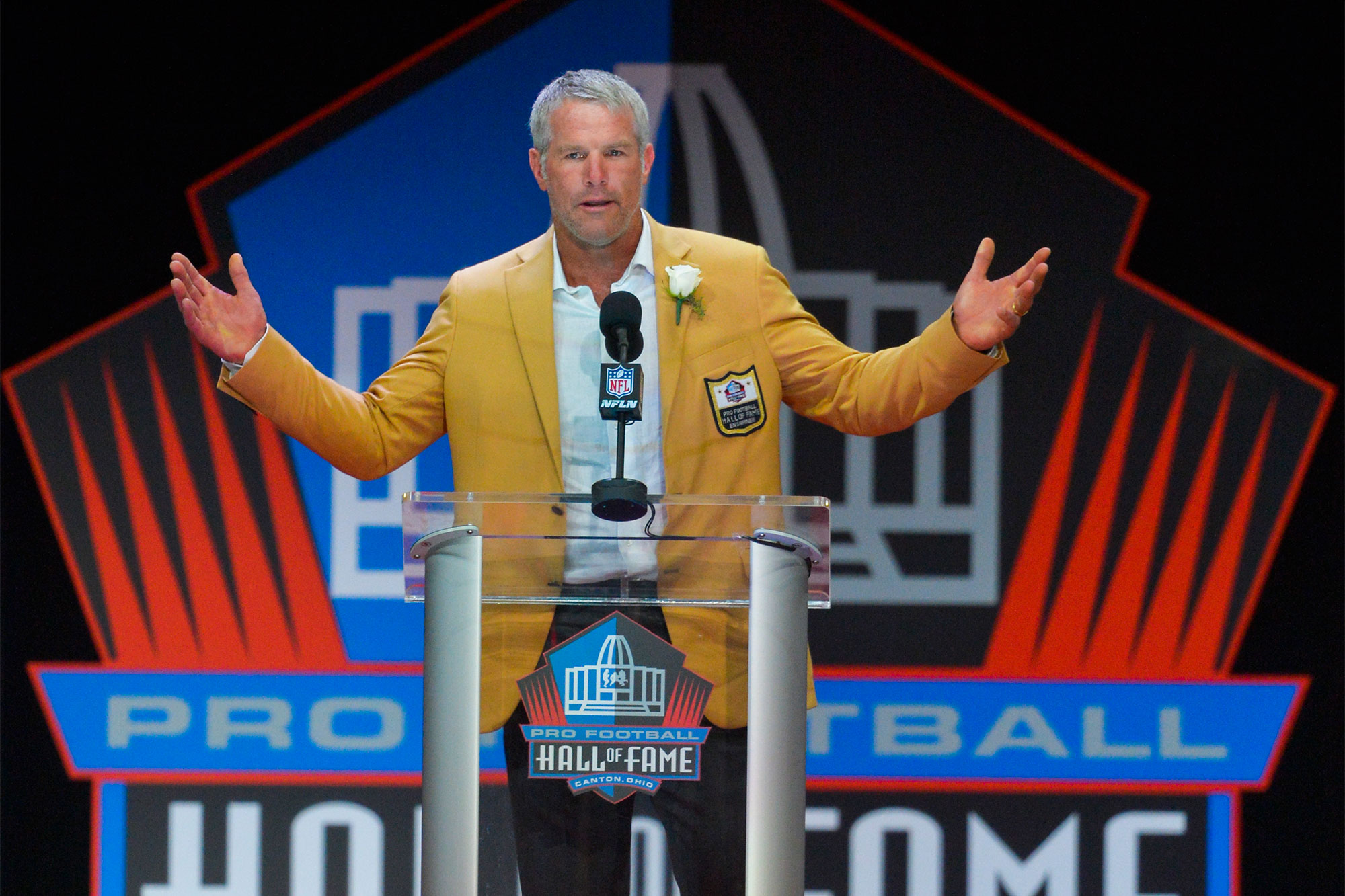
Brett Favre’s $40 Million Path—NFL Glory to Shimmering Finance!
Introduction

Few names in National Football League history evoke the rugged durability, gunslinger mentality, and small-town adoration quite like Brett Favre. Over a storied 20-season career, the Hall of Fame quarterback captured a Super Bowl title, earned three consecutive Associated Press MVP awards, and shattered nearly every major passing record of his era. Yet, long after hanging up his cleats, the legendary signal-caller’s life in the public eye continues to generate headlines. From legendary contracts on the gridiron to post-football investments, Brett Favre’s $40 Million Path—NFL Glory to Shimmering Finance! tells a complex story of immense athletic wealth, high-stakes business dealings, and the ongoing challenges of managing a massive public profile.
Understanding this trajectory requires looking beyond the statistics on the field. Favre accumulated tens of millions in salary and lucrative endorsement deals during his playing days, positioning him among the highest earners of his generation. However, transition from professional sports into the world of venture capitalism, private enterprise, and public controversy proved to be a winding road. This article explores how Favre built his initial fortune, the nature of his post-football financial pursuits, and the lessons embedded within his unique financial history.
The Making of an NFL Icon: Building the Foundation
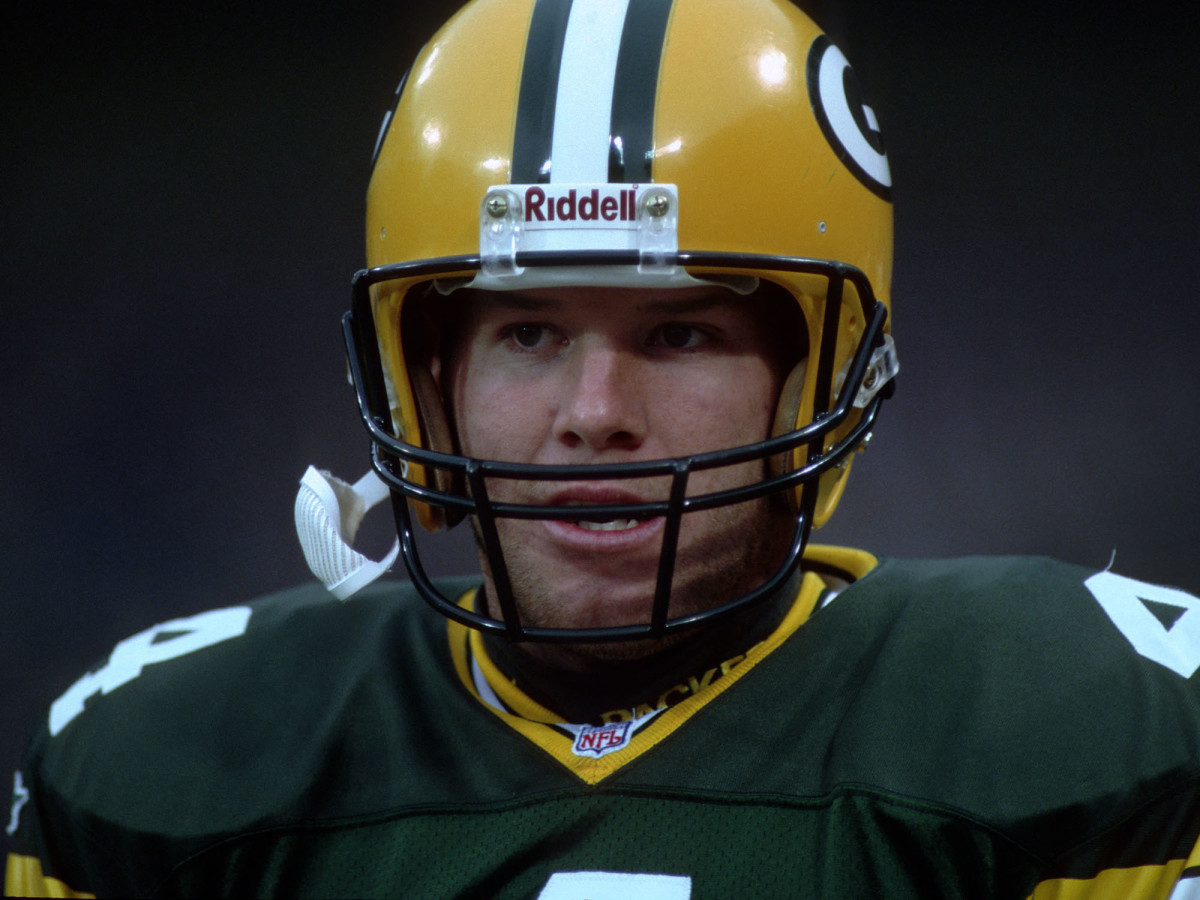
Before any conversations about venture capital or corporate partnerships could take place, Favre had to build his fortune through sheer athletic excellence. Drafted in the second round by the Atlanta Falcons in 1991, his career truly took off after being traded to the Green Bay Packers. In Wisconsin, Favre became a cultural institution, leading the Packers to victory in Super Bowl XXXI and cementing his status as one of the game's ultimate competitors.
Career Earnings on the Gridiron
During an era before rookie wage scales and the astronomical quarterback contracts seen today, Favre consistently commanded top-tier salaries. Across his stints with the Packers, New York Jets, and Minnesota Vikings, his total NFL playing salary surpassed $130 million before taxes and agent fees. Key financial milestones during his playing days included:
- Signing landmark contract extensions with the Green Bay Packers in the late 1990s and 2000s.
- Securing high-profile national endorsement deals with brands like Wrangler, Nike, Snapper, and MasterCard.
- Maximizing earning longevity by playing until age 41, a rare feat for an NFL quarterback exposed to decades of physical punishment.
These earnings provided a formidable baseline of wealth, transforming a kid from Kiln, Mississippi, into a multi-millionaire many times over. However, maintaining and growing that wealth required navigating the complex landscape of post-career finance.
Brett Favre’s $40 Million Path—NFL Glory to Shimmering Finance!
Transitioning from the structured environment of professional sports into private business is notoriously difficult for retired athletes. For Favre, entering the world of corporate finance, startup investments, and entrepreneurial ventures brought both promising opportunities and significant scrutiny. While many professional athletes seek stability in real estate or conservative index funds, Favre explored high-yield startups, biotechnology ventures, and regional business partnerships.
In the years following his retirement in 2010, Favre maintained a busy schedule of public appearances, sports commentary, and corporate partnerships. His financial footprint expanded into various commercial enterprises, ranging from restaurant franchises to medical technology and wellness startups. These ventures aimed to capitalize on his enduring popularity, particularly in the Midwest and the American South, where his brand loyalty remained exceptionally strong.

Navigating Post-Football Investments and Ventures
Evaluating financial portfolios of retired sports stars often reveals a mix of traditional assets and speculative investments. Favre's post-playing portfolio featured several notable commercial engagements that showcased a desire to stay active in the business world.
Key Investment Categories
Athletes transitioning into the financial sector typically diversify across several buckets. Favre's post-NFL activities generally fell into these areas:
- Endorsements and Media: Continuing paid partnerships with regional and national brands, alongside radio and television appearances.
- Private Startups: Investing capital into emerging business ideas, including tech and healthcare enterprises seeking high growth potential.
- Real Estate and Local Business: Holding property and participating in localized commercial ventures within Mississippi and Wisconsin.
While venture investing offers the allure of substantial returns, it also carries inherent volatility. Not every startup achieves market dominance, and navigating the complexities of private equity requires stringent oversight and expert financial advisory teams.
Lessons from a High-Profile Financial Journey
The financial life of Brett Favre offers valuable takeaways for professional athletes, aspiring entrepreneurs, and everyday investors alike. Managing sudden wealth, transitioning from a primary career into secondary investments, and preserving capital through economic shifts are universal challenges.
First, the trajectory underscores the importance of robust wealth management. Even with earnings well into nine figures, athletes are vulnerable to poor investments or economic downturns if their capital is not prudently diversified. Second, celebrity branding can be a powerful financial asset, but it must be paired with careful due diligence when attaching one's name to commercial enterprises.
Conclusion
The narrative surrounding Brett Favre is multifaceted, spanning decades of gridiron heroics, record-breaking performances, and complex financial evolution. From his early days as a gritty quarterback leading the Green Bay Packers to his later years engaging in private business and venture investments, his journey remains a captivating study in sports economics. Ultimately, examining this financial pathway highlights the intricate balance between athletic success, wealth preservation, and the realities of modern business life.