Brooklyn Blood Center: How and Where to Donate
Every two seconds, someone in the United States needs blood. In a bustling metropolitan region like New York City, hospitals require hundreds of units every single day to treat trauma victims, cancer patients, surgical candidates, and individuals living with chronic conditions like sickle cell disease. Visiting a Brooklyn blood center is one of the most impactful, selfless ways you can give back to your local community. Yet many prospective donors hesitate simply because they do not know where to go, what the process entails, or whether they meet the eligibility requirements.
Whether you are a first-time donor or someone looking to establish a regular donation routine, this guide walks you through finding a donation center in Kings County, understanding the different types of donations, and preparing for a smooth, comfortable visit.
Finding a Donation Site in Brooklyn
Blood collection in the borough is managed primarily through the New York Blood Center (NYBC), along with regular mobile drives hosted by the American Red Cross and independent hospital drives. Depending on where you live or work, you have several dependable options for making an appointment.
Permanent Donor Centers
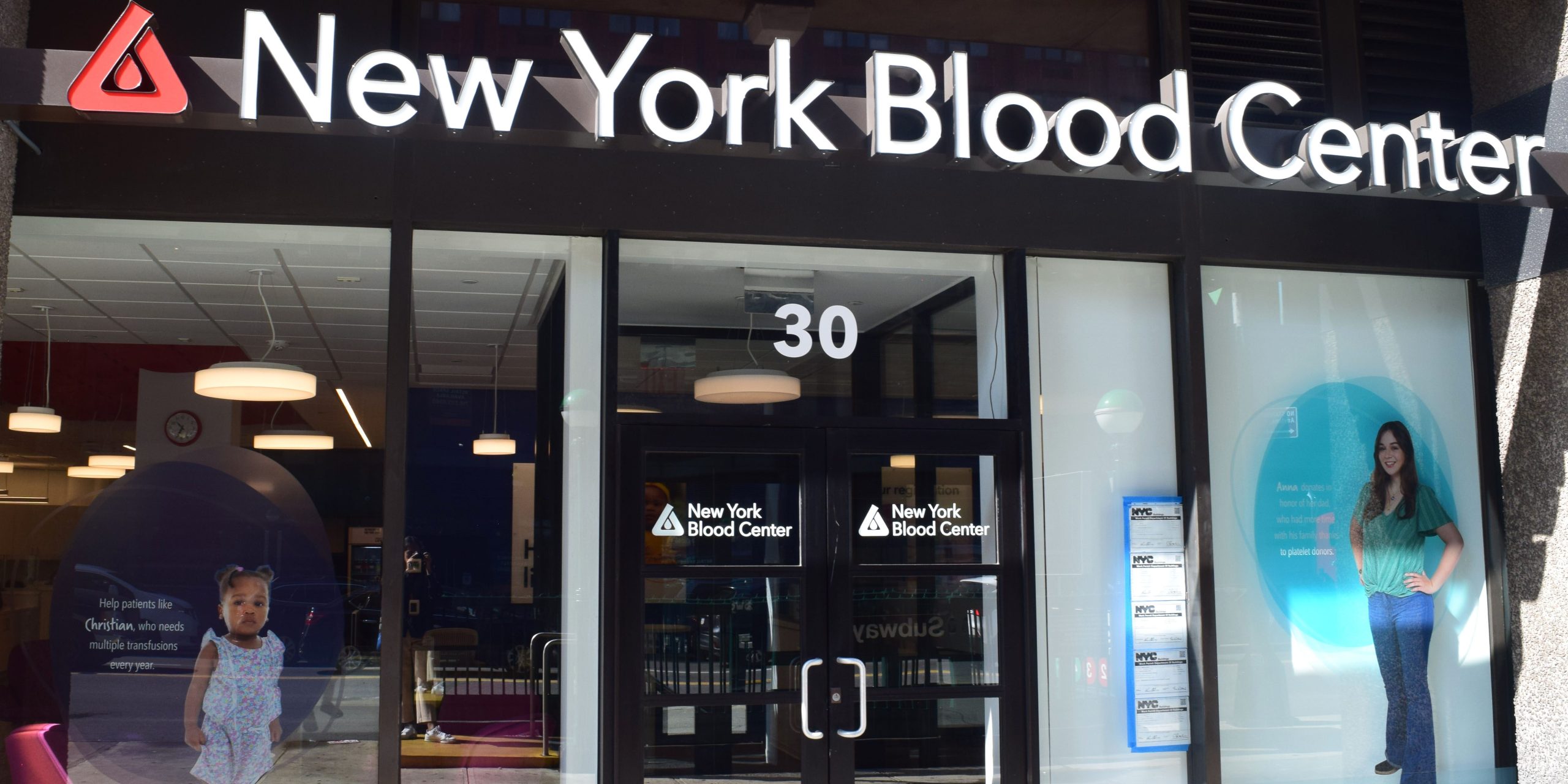
The primary dedicated collection facility in the borough is the New York Blood Center Brooklyn Donor Center, situated conveniently near major transit hubs in Downtown Brooklyn (located at 30 Flatbush Avenue). Because of its central location near Atlantic Terminal, it is easily accessible via numerous subway lines (2, 3, 4, 5, B, D, N, Q, R) and the Long Island Rail Road. This site offers comfortable apheresis chairs, dedicated phlebotomy staff, and flexible weekday and weekend hours.
Community and Mobile Blood Drives
If travelling Downtown is inconvenient, mobile blood drives happen weekly throughout Brooklyn neighborhoods such as Park Slope, Bay Ridge, Williamsburg, Crown Heights, and Flatbush. These drives are commonly hosted at:
- Local colleges and universities, such as Brooklyn College and NYU Tandon
- Community centers, public libraries, and YMCA branches
- Houses of worship, including local churches, synagogues, and mosques
- Civic hubs like Brooklyn Borough Hall
You can locate active pop-up drives by entering your zip code into the donation locator tools on the New York Blood Center or American Red Cross websites.
Types of Donations Accepted at a Brooklyn Blood Center
Not all donations are the same. Modern blood collection technology allows donors to contribute specific blood components depending on their blood type and the immediate needs of area hospitals.
Whole Blood
This is the traditional and most common form of donation. About one pint of blood is drawn, which is later separated in a laboratory into red cells, plasma, and platelets. The draw itself takes just 8 to 10 minutes, and you are eligible to donate whole blood once every 56 days (eight weeks).
Video: Syko - #BrooklynBloodPop! (Lyrics)

Platelets (Apheresis)
Platelets are tiny cell fragments that form clots and stop bleeding. They are critically needed by cancer patients undergoing chemotherapy, organ transplant recipients, and trauma patients. During a platelet donation, an apheresis machine draws your blood, separates and collects the platelets, and returns your red blood cells and plasma to you. Because platelets have a shelf life of only five to seven days, donor centers continuously face a high demand for platelet donors. You can donate platelets every seven days, up to 24 times per year.
Power Red (Double Red Cells)
If you meet higher height, weight, and hemoglobin criteria, you can choose to give a concentrated dose of red blood cells. An apheresis machine draws your blood, retains two units of red cells, and safely returns your plasma and platelets along with a saline solution to keep you hydrated. Power Red donations are especially valuable from donors with types O-negative, O-positive, A-negative, and B-negative blood. The waiting period between Power Red donations is 112 days.
Eligibility Criteria: Can You Donate?
Safety regulations protect both the donor and the patient who receives the blood. While criteria can occasionally adjust based on FDA updates, the fundamental rules at any New York collection site remain consistent:
- Age: You must be at least 17 years old, or 16 with written parental or guardian consent.
- Weight: You must weigh at least 110 pounds (higher minimum weights apply for donors under age 19 and Power Red donors).
- General Health: You should feel well on the day of your appointment, with no active fever, cold, or flu symptoms.
- Identification: You must present a government-issued photo ID or a designated donor card.
- Medications and Health Conditions: Most everyday prescription medications (including blood pressure medications, birth control, and antidepressants) do not disqualify you. However, blood thinners and certain acne treatments require a temporary waiting period.
- Tattoos and Piercings: In New York State, you can donate immediately after getting a tattoo or piercing, provided it was done by a licensed, regulated facility using sterile, single-use needles. If performed in an unlicensed setting, a three-month waiting period applies.
What to Expect During Your Visit
If you have never donated before, knowing what happens from arrival to departure can help ease any nervousness. A typical visit lasts about 45 to 60 minutes for whole blood, and about 90 to 120 minutes for platelets.
- Registration: You sign in, show your ID, and review basic donor education materials. Many centers allow you to complete your health history questionnaire online the morning of your visit to save time.
- Mini-Physical: A staff member conducts a confidential screening in a private booth. They check your temperature, pulse, and blood pressure, and perform a brief finger prick to measure your hemoglobin (iron) level.
- The Donation: You sit back in a cushioned chair while a phlebotomist cleans your arm with an antiseptic swab and inserts a sterile, single-use needle. For whole blood, the actual collection takes under 10 minutes.
- Rest and Recovery: Once the collection is complete, a small bandage is placed on your arm. You spend 10 to 15 minutes in the refreshment canteen enjoying juice, water, pretzels, or cookies to stabilize your blood sugar before leaving.
How to Prepare for Your Appointment
Proper physical preparation ensures you feel energetic throughout the day and helps your appointment go quickly.
- Hydrate thoroughly: Drink an extra 16 to 32 ounces of water or non-caffeinated fluids over the 24 hours leading up to your visit. Hydrated veins are plumper and easier to locate, speeding up the draw.
- Eat an iron-rich meal: Eat a healthy meal within two to three hours before your appointment. Focus on iron-rich foods such as beans, spinach, lean meats, or fortified cereals. Avoid excessively fatty foods like fried takeout or rich pastries, as fat in the bloodstream can interfere with post-donation lab testing.
- Dress comfortably: Wear clothing with sleeves that can easily be rolled up above your elbows.
- Get adequate rest: Aim for a solid night of sleep prior to your donation day.
Why Your Brooklyn Donation Matters
Blood cannot be manufactured synthetically; hospitals rely entirely on the generosity of volunteer donors. Because Brooklyn is home to several major level-one and level-two trauma centers—such as Kings County Hospital Center, Maimonides Medical Center, and NYU Langone Hospital-Brooklyn—local emergency rooms rely on an unbroken supply chain.
By scheduling an appointment at your local center, you provide a life-saving resource that directly supports your neighbors across the five boroughs. An hour of your time can give a child with leukemia another birthday, help a mother survive childbirth complications, or stabilize a patient in the intensive care unit.