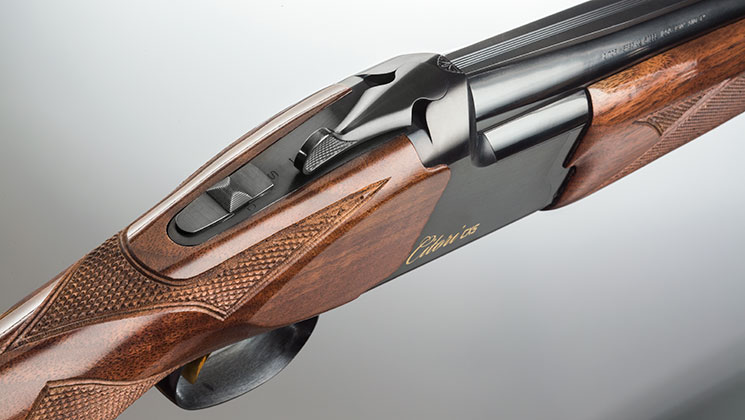
Browning Citori CX vs CXS: Which Crossover Shotgun Fits?
When Browning introduced their Crossover (CX) line of over-and-under shotguns, they aimed to solve a common dilemma for versatile shooters: finding a single gun that performs equally well on the trap field, the skeet pitch, and the sporting clays course. Among these models, two stand out as the most popular choices for shooters looking for ultimate versatility. If you are trying to decide between the Browning Citori CX vs CXS, you are looking at two exceptional firearms built on the legendary Citori action, yet tailored with subtle differences in handling and point of impact.

Both shotguns are designed to bridge the gap between dedicated target disciplines and traditional field shooting, but they achieve this through slightly different geometries. Understanding these nuances will help you select the model that matches your shooting style, eye dominance, and preferred target presentation.
Understanding the Browning Citori CX vs CXS Philosophy
Before diving into the mechanical and physical differences, it helps to understand what a "crossover" shotgun actually is. Traditional target guns are often built strictly for one game—trap guns shoot high to float targets above the barrel, while skeet and sporting clays guns typically offer a flat 50/50 point of impact.
Crossover guns blend these features. They provide adjustable versatility so a single investment can cover multiple shotgun sports without requiring a specialized safe full of dedicated firearms.
Key Specifications and Feature Comparison
While both shotguns share the rugged durability, chrome-plated chambers, and triple-lug bolt design inherent to the Citori name, their physical dimensions dictate how they feel when you shoulder them.
Rib Design and Point of Impact
The most significant functional difference between the CX and the CXS lies in their rib configurations and resulting point of impact (POI):
- Browning Citori CX: Features a tapered, floating 1/4" to 3/8" rib. It is designed with a slightly higher point of impact, roughly 60/40 or 70/30 depending on barrel length and setup. This makes it heavily favored by shooters who lean more toward trap shooting or like to see their targets floating above the bead.
- Browning Citori CXS (Crossover Skeet): Features a lower profile, tapered 1/4" to 5/16" rib. It delivers a flatter 50/50 point of impact. When you point the CXS, wherever you look is essentially where the pattern goes, making it ideal for the rapid, reactive target transitions found in sporting clays and skeet.
Stock Dimensions and Ergonomics
Stock geometry dictates how well a shotgun fits your face and shoulder, which ultimately determines your hit percentage.
- Drop at Comb: The CX typically offers a slightly higher comb to accommodate that higher point of impact, whereas the CXS features a slightly lower, traditional field-style comb drop.
- Recoil Pad: Both models generally come equipped with Browning's Inflex Technology recoil pad, which helps direct recoil down and away from your face. However, the exact thickness and spacing can vary slightly by production year and sub-model.
- Wood Finish: Both feature Grade II/III American walnut with a satin finish, though individual grain patterns vary. The checkering is crisp and provides a secure grip in all weather conditions.
Barrel Lengths and Weight
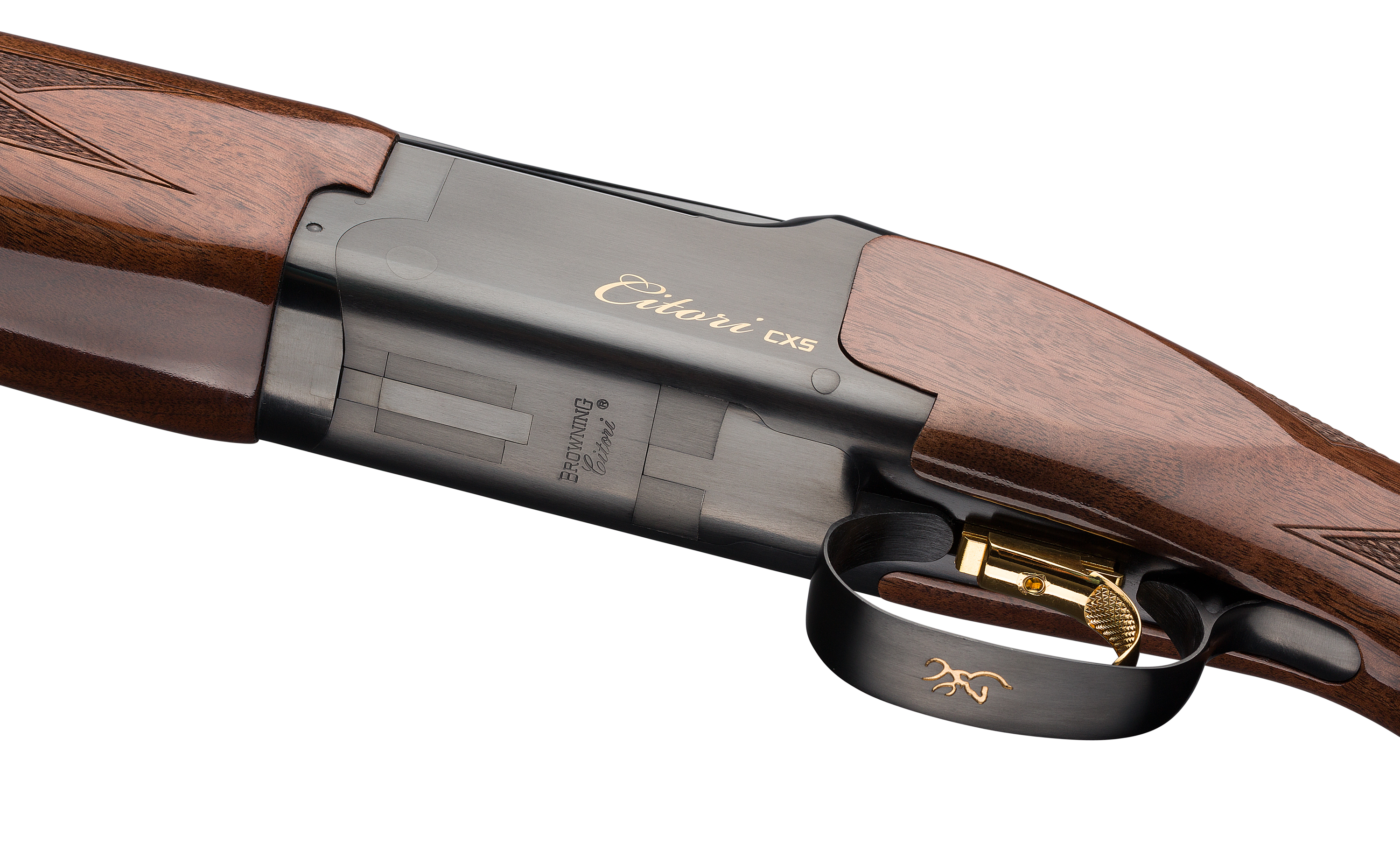
Weight distribution and barrel inertia affect how a shotgun swings through moving targets.
The Citori CX is commonly available with 30-inch or 32-inch barrels. The longer sighting plane and extra ounces out front provide a smooth, sweeping momentum that excels on long-range sporting clays and rising trap targets.
The Citori CXS is frequently found with 28-inch or 30-inch barrels. The slightly lighter overall weight and shorter barrels make the CXS noticeably quicker and more nimble, which is a major advantage when navigating tight, winding sporting clays stations or fast-crossing skeet pairs.
Chokes and Sighting Systems
Both shotguns come out of the box ready for serious target work, utilizing Browning's proven Invector-Plus choke tube system.
- Chokes Included: Typically, both models ship with three extended Midas Grade choke tubes (usually Full, Modified, and Improved Cylinder). These tubes feature a knurled band for easy field swapping without a wrench.
- Sights: Both firearms feature a white mid-bead and a white front bead, offering a clear, traditional sighting picture that does not distract the eye in bright sunlight.
Which One Should You Buy?
Choosing between the CX and CXS ultimately comes down to your primary shooting discipline and personal sighting preference.
Choose the Browning Citori CX if:
- Your primary target game is American Trap, but you also enjoy casual sporting clays or hunting.
- You prefer a shotgun that shoots slightly high (60/40 or 70/30), allowing you to maintain visual contact with rising targets above the barrel.
- You prefer a slightly heavier, longer-barreled gun that maintains stable momentum on long-distance shots.
Choose the Browning Citori CXS if:
- Your primary focus is Sporting Clays, 5-Stand, or Skeet.
- You prefer a traditional 50/50 flat shooting gun where the pattern hits precisely where the beads are aligned.
- You value a quicker, more responsive handling shotgun that allows for rapid target acquisition on close-to-medium range pairs.
Conclusion
The Browning Citori CX and CXS are both masterclasses in versatility, bridging the gap between specialized target guns and field shotguns. You cannot go wrong with either platform, as both offer the legendary longevity and buttery-smooth mechanical action of the Citori lineup. By analyzing whether you need a higher-flying trap setup (CX) or a lightning-fast flat shooter for sporting clays (SK), you can make an informed choice that will serve you well on the range for decades to come.