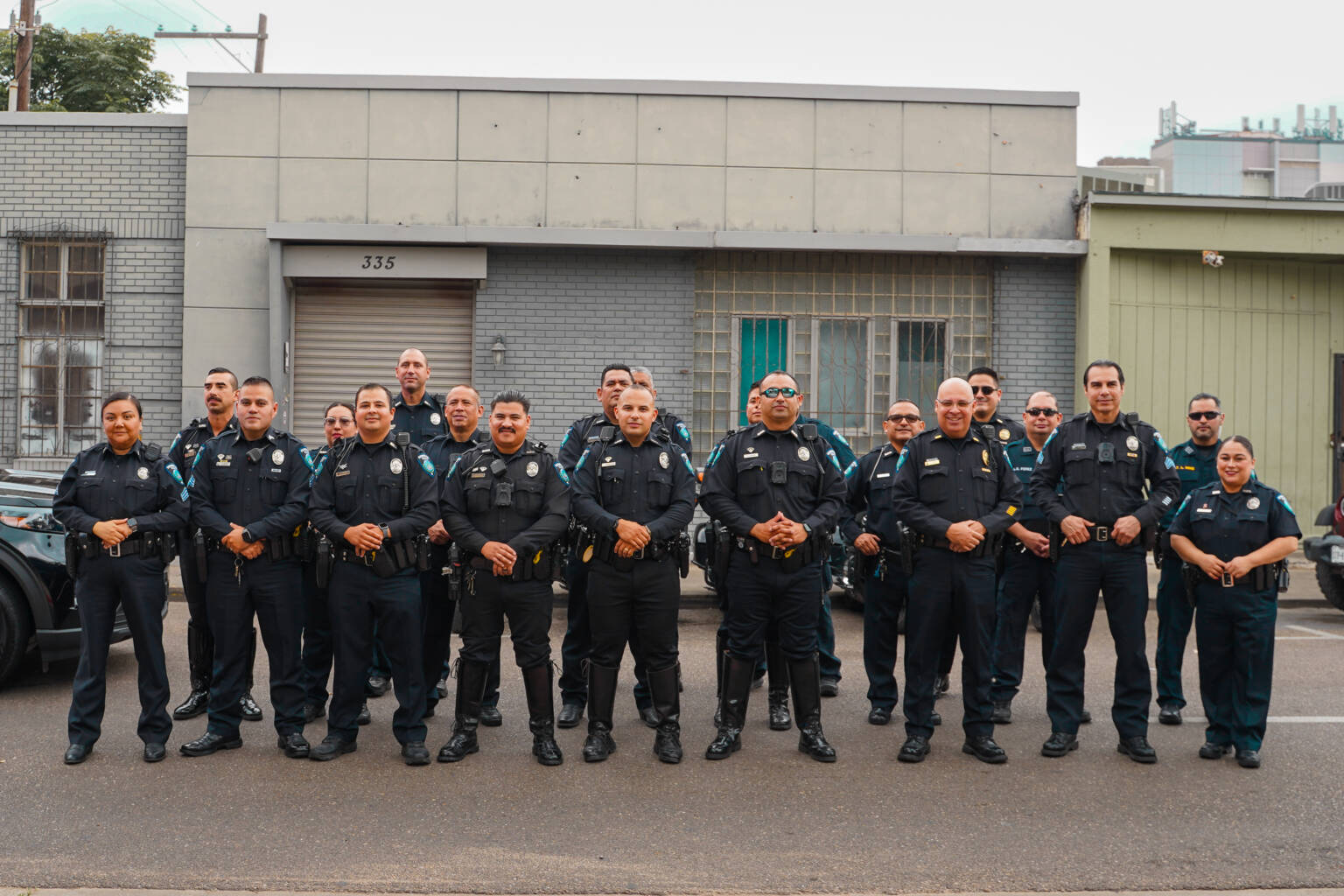
BrownsvillePD Nightmare: This Could Happen To You Too
Most drivers assume that if they obey traffic laws, keep their registration current, and remain courteous, an encounter with law enforcement will be nothing more than a momentary inconvenience. However, when stories surface detailing a BrownsvillePD nightmare: this could happen to you too. A routine commute can suddenly transform into an aggressive roadside interrogation, prolonged detention, or an unwarranted arrest that upends your life within minutes.

Understanding the mechanics of aggressive policing, your constitutional protections, and the exact steps to take during a contentious stop is essential for every driver. Law enforcement encounters along major transit corridors often carry heightened risks of overreach, making legal awareness your strongest defense.
The Anatomy of an Escalated Police Encounter
How does a minor infraction—or no infraction at all—turn into a harrowing ordeal? In municipal departments under pressure to generate revenue or make drug interdictions, officers frequently rely on specific tactics designed to push encounters past standard constitutional limits.
- Pretextual Stops: Officers use minor, often subjective infractions (such as touching a lane divider, a dim license plate light, or following too closely) as a legal pretext to pull over a vehicle they want to investigate without reasonable suspicion.
- Coerced Consent: Many motorists do not realize that officers are trained to frame searches as casual requests. Phrasings like “You don’t mind if I look around, do you?” are designed to get drivers to forfeit their Fourth Amendment rights voluntarily.
- Unlawful Roadside Extensions: Under federal law, a traffic stop may last only as long as necessary to address the initial infraction. Yet, officers often stall to call in canine units or conduct background checks unrelated to the initial stop.
Inside the BrownsvillePD Nightmare: This Could Happen to You Too
In border-adjacent regions and transit hubs like Brownsville, Texas, local law enforcement agencies frequently operate in tandem with state and federal initiatives. While public safety is the stated goal, the environment often fosters hyper-vigilance, leading to severe civil liberties violations for everyday citizens.
When drivers encounter hyper-aggressive policing, the consequences are rarely limited to roadside frustration. A single bad encounter can trigger a cascade of systemic headaches:
- Vehicle Impoundment: Even when no contraband is discovered, an arrest for a pretextual charge like “interference with public duties” or “resisting” results in vehicle towing, leading to predatory impound fees.
- Civil Asset Forfeiture: Officers can seize cash, electronics, or vehicles under the suspicion that they are tied to illicit activity—even if the owner is never convicted of a crime. Recovering this property requires an expensive, protracted civil court battle.
- Collateral Career Damage: An arrest record appears immediately in public databases. Even if charges are dismissed weeks later, the initial booking can jeopardize professional licenses, security clearances, and employment.
These scenarios do not just happen to individuals engaging in illegal activity. Misidentifications, miscommunications, and unchecked authority mean that any motorist caught at the wrong place and time can face identical scrutiny.
Your Core Constitutional Safeguards
Navigating an encounter with an overzealous officer requires a clear understanding of the constitutional boundaries governing police conduct. You do not need a law degree to assert your rights effectively.
The Fourth Amendment: Unreasonable Searches
The Fourth Amendment protects your person, vehicle, and belongings from warrantless searches. Unless an officer has probable cause (such as contraband in plain view), a valid warrant, or your explicit consent, they cannot lawfully search your car.

Crucially, the U.S. Supreme Court ruled in Rodriguez v. United States (2015) that police cannot prolong a completed traffic stop to conduct a canine sniff without reasonable, articulable suspicion of an independent crime.
The Fifth Amendment: The Right to Remain Silent
You are legally required to provide identifying documents—typically your driver’s license, proof of insurance, and vehicle registration. Beyond that, you are under no obligation to answer questions about where you are coming from, where you are going, or what is inside your vehicle.
The First Amendment: The Right to Record
You have an established First Amendment right to openly record police officers performing their duties in public spaces, provided you do not physically obstruct their operations. Video evidence is often the single determining factor in proving an unlawful stop or excessive force claim.
How to De-Escalate and Protect Yourself During a Stop
If you find yourself pulled over by an officer who seems aggressive or determined to escalate the situation, follow these defensive steps to preserve both your physical safety and legal standing:
- Keep Your Hands Visible: Turn on your interior dome light at night, roll down your window partially, and keep both hands on the steering wheel until asked for your documents.
- State Your Rights Clearly and Calmly: Avoid arguing, shouting, or trading insults. If asked open-ended investigative questions, politely respond: “Officer, I am exercising my right to remain silent, and I do not consent to any searches.”
- Ask If You Are Free to Go: If the stop begins to drag on beyond the time needed to write a citation or warning, ask: “Am I being detained, or am I free to leave?” If they state you are free, leave calmly. If they state you are detained, ask for the legal basis.
- Never Physically Resist: Even if a search or detention is completely unlawful, street-level physical resistance will only result in severe criminal charges and potential physical harm. Fight the injustice in a courtroom, not on the side of the road.
Steps to Take If Your Rights Were Violated
If you have survived an encounter where an agency overstepped its authority, immediate action is critical to preserve evidence and hold bad actors accountable.
First, write down every detail immediately following the encounter: the officer’s name, badge number, patrol vehicle number, the exact timeline, and any witness contact information. Request all available dashcam and body-worn camera footage via public information requests before the department’s retention schedule allows it to be deleted.
Next, consult an experienced civil rights attorney. Under federal law (42 U.S. Code § 1983), individuals can sue state and local officials who deprive them of their constitutional rights under color of law. While qualified immunity creates hurdles, well-documented violations involving unlawful detentions, retaliatory arrests, and illegal searches can lead to dismissals of charges, internal disciplinary action, and financial settlements.
Accountability starts with informed citizens. By understanding the law and refusing to be intimidated, motorists can protect themselves from systemic abuses and ensure that local police departments are held to the standards of the Constitution.