Bunnings Marketplace: What You Need to Know
For decades, Bunnings Warehouse has been a household name across Australia and New Zealand for hardware, gardening, and DIY projects. Traditionally, if it wasn't on the physical warehouse shelves, you couldn't buy it from them. That changed with the launch of the Bunnings Marketplace, a digital expansion that significantly broadens the range of products available to home improvement shoppers.
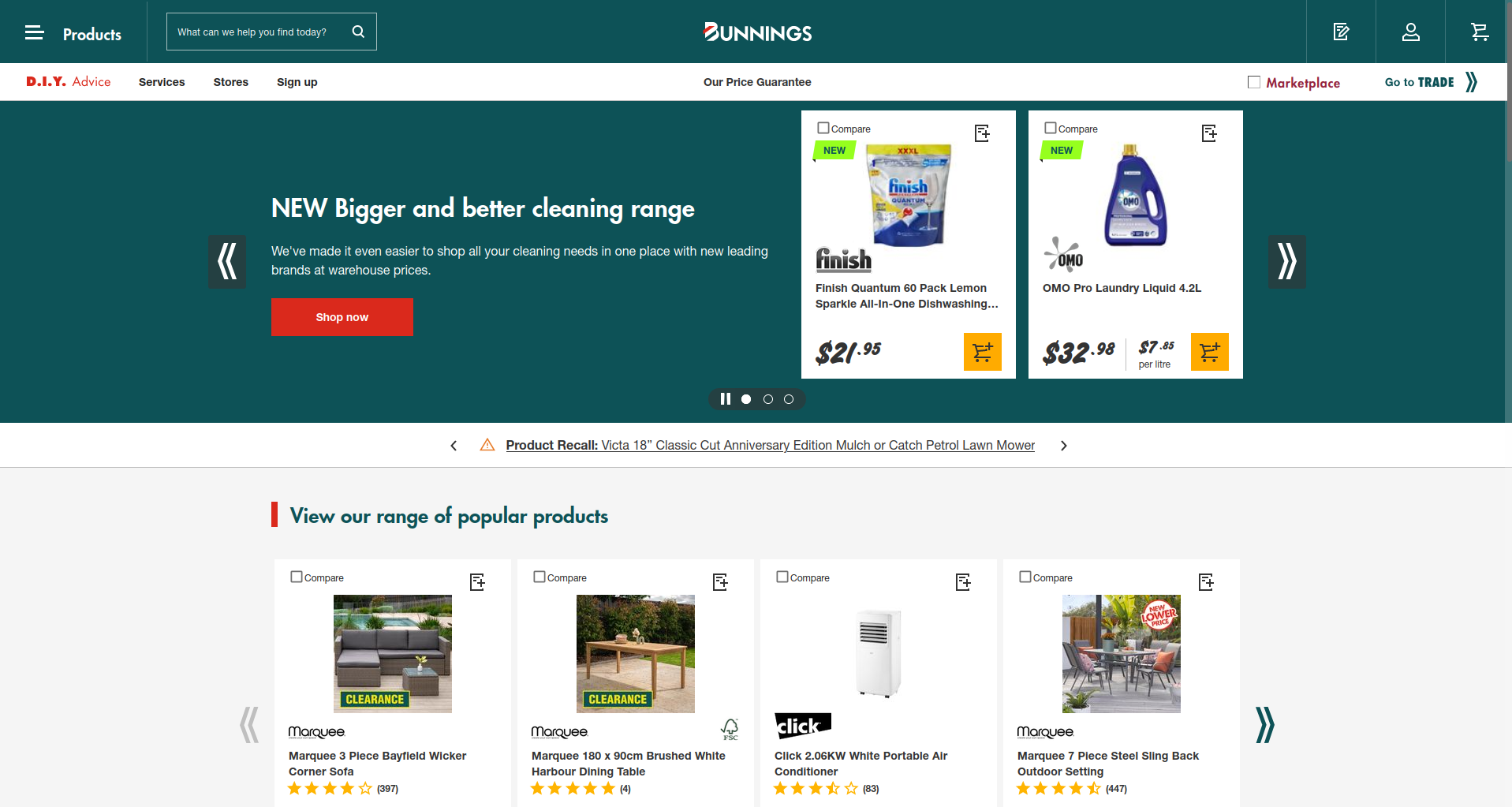
Whether you are looking to spruce up your backyard, furnish a home office, or source specialized trade tools, this online-only platform connects customers with trusted third-party sellers. Here is everything you need to know about how the marketplace operates, whether you are shopping as a consumer or considering applying as a vendor.
How the Bunnings Marketplace Works
The marketplace functions similarly to other major digital retail hubs like Amazon or eBay, but with a strict focus on home and lifestyle categories. While Bunnings still sells and ships thousands of items directly from its own warehouses, the marketplace allows vetted third-party retailers to list their merchandise on the main Bunnings website.
When browsing online, you will notice product listings marked with tags such as "Dispatched by [Seller Name]". This indicates that the item comes from an independent partner rather than standard Bunnings stock. However, Bunnings acts as the central merchant of record, meaning you checkout through their standard payment gateway and deal with a unified shopping cart.
Shopping Experience: What to Expect for Buyers
If you are a customer looking to buy through the platform, the experience is largely integrated with the traditional Bunnings website, but there are a few operational differences to keep in mind regarding fulfillment and customer service.
Product Selection and Categories
The core benefit of the digital platform is extended range. Traditional physical stores have spatial limitations. The marketplace overcomes this by offering niche, bulky, or specialized items that wouldn't fit on standard warehouse aisles. Popular expanded categories include:
- Large outdoor furniture and specialized patio heating
- Smart home security systems and modern lighting fixtures
- Commercial-grade workshop and specialized trade equipment
- Pet enclosures, cubby houses, and advanced landscaping supplies
Shipping and Delivery
Because items come from various independent warehouses across the country, shipping times and fees vary depending on the specific vendor. Unlike standard Bunnings parcel delivery or click-and-collect, marketplace items are shipped directly by the third-party seller. Each merchant sets their own shipping rates and delivery timeframes, which are clearly displayed on the product page before you add the item to your cart. If you purchase items from multiple sellers in one order, you will likely receive separate shipments arriving at different times.
Video: Bunnings giant announces new online marketplace selling products not available in store

Returns and Refunds
Bunnings is famous for its generous return policies, and while marketplace purchases are bound by Australian Consumer Law (ACL), the exact return process depends on the individual seller. If you need to return an item, you generally initiate the request through your Bunnings online account. The platform's customer support team acts as an intermediary to help resolve any disputes, but physical stores typically will not accept returns for marketplace items over-the-counter unless explicitly stated by that specific vendor.
Selling on the Platform as a Merchant
For businesses operating in the home, garden, lifestyle, or hardware sectors, becoming a seller on the platform represents a massive sales opportunity. Tapping into millions of monthly visitors who are actively searching for DIY and home improvement goods can drastically accelerate a brand's growth.
Eligibility and Quality Standards
Bunnings maintains a strict brand reputation for customer service, reliability, and product quality. Consequently, not every applicant is accepted. To qualify as a merchant, businesses generally must:
- Sell products that align closely with home improvement, DIY, gardening, styling, or hardware.
- Demonstrate a proven track record of reliable order fulfillment and fast shipping.
- Provide high-quality product imagery and accurate descriptions.
- Offer responsive customer support to handle inquiries and returns promptly.
Fees and Operations
Sellers approved for the platform pay a monthly subscription fee alongside a category-specific commission percentage on each sale. Vendors manage their own inventory levels, order processing, and logistics through the designated seller portal, though they must adhere strictly to Bunnings' performance metrics regarding dispatch times and customer satisfaction scores.
Tips for a Smooth Experience
To get the best results from the platform, keep these quick tips in mind:
- Check the fulfillment details: Always read the shipping policy on the product page to understand potential freight costs and delivery estimates.
- Read seller reviews: Take a moment to look at the merchant's rating and feedback history before making a large purchase.
- Keep communication centralized: If you have questions about an order, use the official platform messaging system to ensure there is a clear paper trail for customer service assistance.
The digital expansion has transformed how Australians shop for their homes. By blending traditional retail reliability with a curated network of specialized third-party merchants, the Bunnings Marketplace offers a convenient, one-stop destination for virtually any home improvement project.


