Burger King Wage: Pay Rates, Benefits, and Raises
Understanding the Burger King Wage Structure

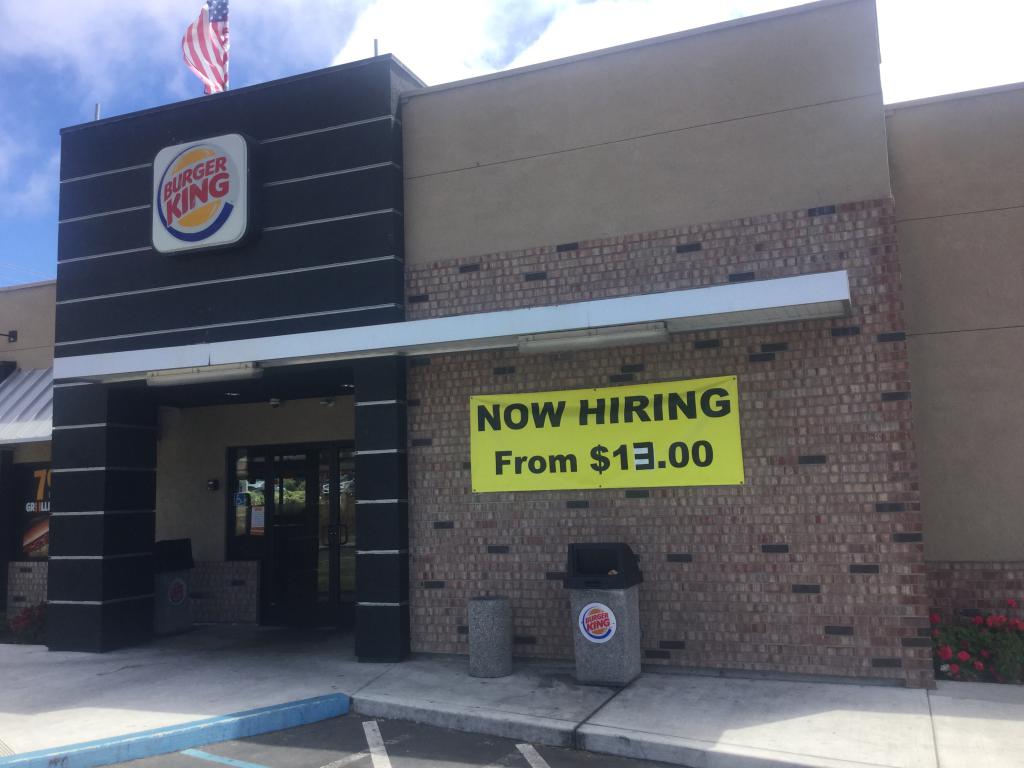
Working in the fast-food industry offers a flexible entry point for many job seekers, students, and workers looking for part-time or full-time employment. If you are considering a job at one of the world's most recognizable hamburger chains, understanding the typical Burger King wage is essential before you apply or walk into an interview. Like many quick-service restaurants, pay rates at Burger King vary significantly depending on your geographical location, local minimum wage laws, job title, and prior experience.
While corporate-owned locations follow standardized regional guidelines, the vast majority of Burger King restaurants are operated by independent franchisees. This means that pay scales, bonus structures, and benefits can change drastically from one town to the next, even if the restaurants are only a few miles apart.
Average Hourly Pay by Position
Compensation at Burger King generally scales with responsibility. Entry-level crew members start at the baseline, while leadership roles and specialized positions command higher hourly rates. Below is a breakdown of what you can typically expect to earn across different roles:
Crew Members and Cashiers
The vast majority of entry-level workers start as crew members, handling responsibilities such as operating the cash register, taking drive-thru orders, cooking food, and cleaning the dining room. The starting Burger King wage for a crew member typically hovers right around the local minimum wage, though competitive labor markets have pushed starting rates higher in many metropolitan areas. On average, crew members nationwide earn between $12.00 and $15.00 per hour.
Shift Coordinators and Shift Managers
Stepping up to a leadership role brings an increase in pay. Shift coordinators and shift managers are responsible for opening or closing the restaurant, managing inventory, resolving customer complaints, and supervising the crew on duty. Because these positions carry more responsibility and require multitasking under pressure, the Burger King wage for a shift manager generally ranges from $15.00 to $18.00 per hour, depending heavily on experience and location.
Video: Who's Keeping Burger King Workers Below the Poverty Line?

Assistant managers and general managers, who are typically salaried employees rather than hourly workers, earn significantly more. General managers can make anywhere from $45,000 to over $60,000 annually, often supplemented by performance-based bonuses tied to sales and labor cost metrics.
Factors Influencing Your Pay Rate
If you are wondering what determines your specific paycheck, several key factors come into play:
- Geography and Cost of Living: States and cities with higher minimum wage laws (such as California, New York, and Washington) mandate higher starting pay for fast-food workers.
- Franchise Ownership: Because franchisees set their own budgets, two Burger King locations in the same city might offer different starting wages based on their individual profitability and staffing needs.
- Prior Experience: If you have previous restaurant or customer service experience, you may have leverage to negotiate a slightly higher starting wage during your interview.
- Availability: Workers who have open availability—especially those willing to work early mornings, late nights, or weekends—are often more valuable to management and may secure better pay or faster reviews.
Benefits and Perks Beyond the Hourly Pay
A comprehensive look at compensation requires looking past the base Burger King wage. Many locations offer additional benefits and perks designed to attract and retain workers in a competitive job market:
- Flexible Scheduling: Ideal for students or individuals balancing multiple jobs or family responsibilities.
- Meal Discounts: Employees typically receive free or heavily discounted meals during their shifts.
- Tuition Assistance: Some franchise groups participate in education partnership programs, offering tuition discounts or scholarship opportunities for working students.
- Healthcare Options: Full-time employees and qualifying managers often have access to medical, dental, and vision insurance plans.
- 401(k) Retirement Plans: Select corporate and large franchise locations offer retirement savings plans with employer matching.
How to Get a Raise at Burger King
If you are already on the team and looking to boost your earnings, growth is entirely possible with the right approach. Most locations conduct periodic performance reviews, typically every six to twelve months. To position yourself for a higher Burger King wage:
- Master Multiple Stations: Don't just stay on the cash register. Learn how to work the grill, manage the drive-thru window, and stock inventory efficiently. Cross-trained employees are invaluable.
- Show Reliability: Showing up on time, dressing professionally, and rarely calling out sick makes you a reliable asset that managers want to keep happy.
- Pursue Promotion: Express interest in becoming a shift coordinator. Taking on leadership duties is the fastest way to jump into a higher pay bracket.
- Ask for Feedback: Speak directly with your general manager during a slow period to ask what specific skills you need to develop to qualify for a pay increase.
Conclusion
Navigating the Burger King wage landscape requires looking at both local economic conditions and individual career goals. While starting pay often aligns closely with local minimum wage laws, the opportunity for advancement into shift management and beyond provides a clear pathway to higher earnings. By understanding your worth, mastering multiple roles, and communicating with management, you can maximize your earning potential while working in the fast-food industry.