Busy Teens Stop Failing with Daily Focus Sheets
The Modern Teen Burnout and Academic Failure

Between AP classes, sports practices, part-time jobs, and the constant digital pull of social media, today's teenagers are busier than ever. Unfortunately, being busy rarely translates to being productive. When schedules overflow, executive functioning skills often collapse. Homework gets forgotten, test dates sneak up, and capable students watch their grades plummet not from a lack of intelligence, but from sheer overwhelm.
Traditional planners often fail this demographic. Massive weekly planners or digital calendar apps require a level of meticulous upfront organization that overwhelmed students simply cannot maintain. When a student misses a few days, the planner becomes a monument of guilt, and they abandon it entirely. That is why so many busy teens stop failing with daily focus sheets—a minimalist, highly actionable alternative designed for overwhelmed minds.
What Is a Daily Focus Sheet?
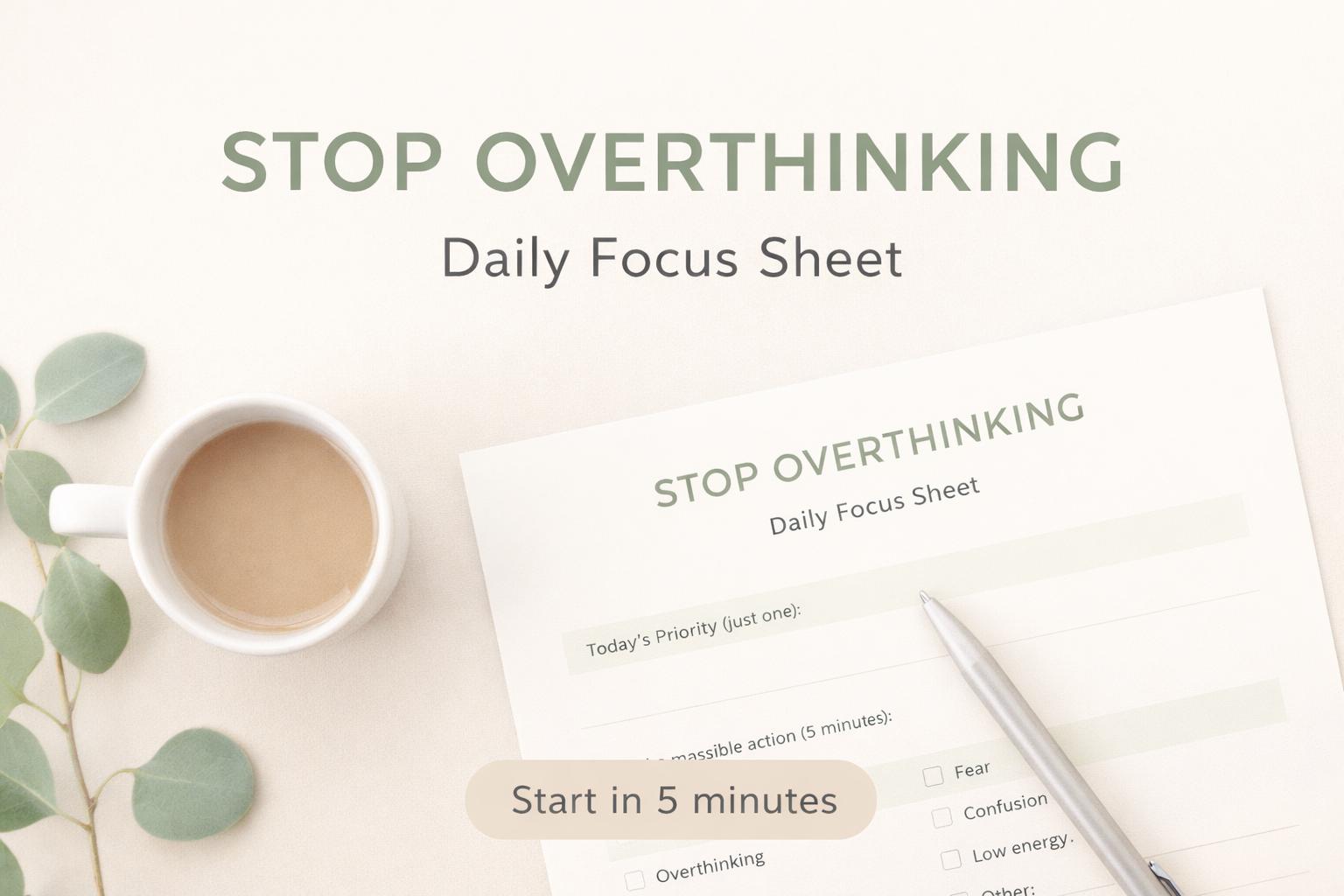
A daily focus sheet is a single-page or digital template that narrows a student’s attention down to the absolute essentials of a single day. Instead of looking at a sprawling monthly calendar or a daunting weekly to-do list with forty items, the student focuses solely on a curated handful of non-negotiable tasks.
The philosophy behind the focus sheet is rooted in cognitive psychology: working memory is limited. When teens try to hold every upcoming assignment, practice schedule, and social obligation in their heads, their brains experience cognitive overload. Writing it down in a structured, bite-sized format frees up mental bandwidth for actual problem-solving and studying.
Core Components of an Effective Focus Sheet
To make a daily focus sheet work, it must remain simple. If it takes more than five minutes to fill out, the student will stop using it. An effective sheet includes three distinct sections:
- The Big Three: The three most critical academic or personal tasks that must be accomplished today. No more, no less.
- Time Blocks: A rough, visual breakdown of the day showing when homework or studying will actually happen.
- Brain Dump: A designated parking lot at the bottom of the page for random thoughts, reminders, or tasks that pop up during the day so they don't derail current focus.
How Busy Teens Stop Failing with Daily Focus Sheets
Implementing a new system can be intimidating, but the daily focus sheet approach yields results almost immediately because it offers instant clarity and quick wins.
Video: If you’re ambitious but lazy, please watch this…

1. Eliminating Decision Fatigue
When a teenager sits down at 4:00 PM after a long day of school and practice, they are mentally exhausted. Asking them to figure out what to study first is an invitation to procrastination. With a focus sheet filled out the night before, the decision is already made. They simply look at Task #1 on their Big Three and begin.
2. Shifting from Multi-Tasking to Single-Tasking
Teens are notorious for digital and physical multitasking—scrolling TikTok while trying to read a biology textbook. Focus sheets encourage time-blocking. By assigning a specific 30-minute window to a single task, students learn the power of deep work. They finish faster and retain significantly more information.
3. Rebuilding Academic Confidence
Failure breeds avoidance. When a student falls behind, every uncompleted assignment feels like a mountain. Daily focus sheets shrink the mountain into a single stepping stone. Crossing off those three daily items triggers a dopamine release, rebuilding confidence and proving to the student that they are capable of managing their workload.
Step-by-Step Implementation Guide
If you are a parent, teacher, or student looking to implement this system, follow these practical steps to ensure long-term adoption:
- Keep it analog: While productivity apps seem appealing, notifications are a major distraction. A physical index card or a printed half-sheet of paper works best for teens.
- Nightly ritual: Spend three minutes before bed filling out the focus sheet for the next day. Doing this prevents nighttime anxiety and ensures the student wakes up with a clear direction.
- Protect the Big Three: Teach teens that it is better to complete three important tasks thoroughly than to half-finish ten minor ones.
- Celebrate completion: Acknowledge the wins. When the sheet is cleared at the end of the day, it is a victory worth recognizing.
Conclusion
Academic failure in high school and college is rarely a reflection of a student's potential. More often, it is a symptom of poor systems in a high-stress environment. By stripping away the clutter of traditional planners and focusing on micro-execution, busy teens stop failing with daily focus sheets and start regaining control over their education and their lives.