Buying Facebook Marketplace Cars and Trucks By Owner
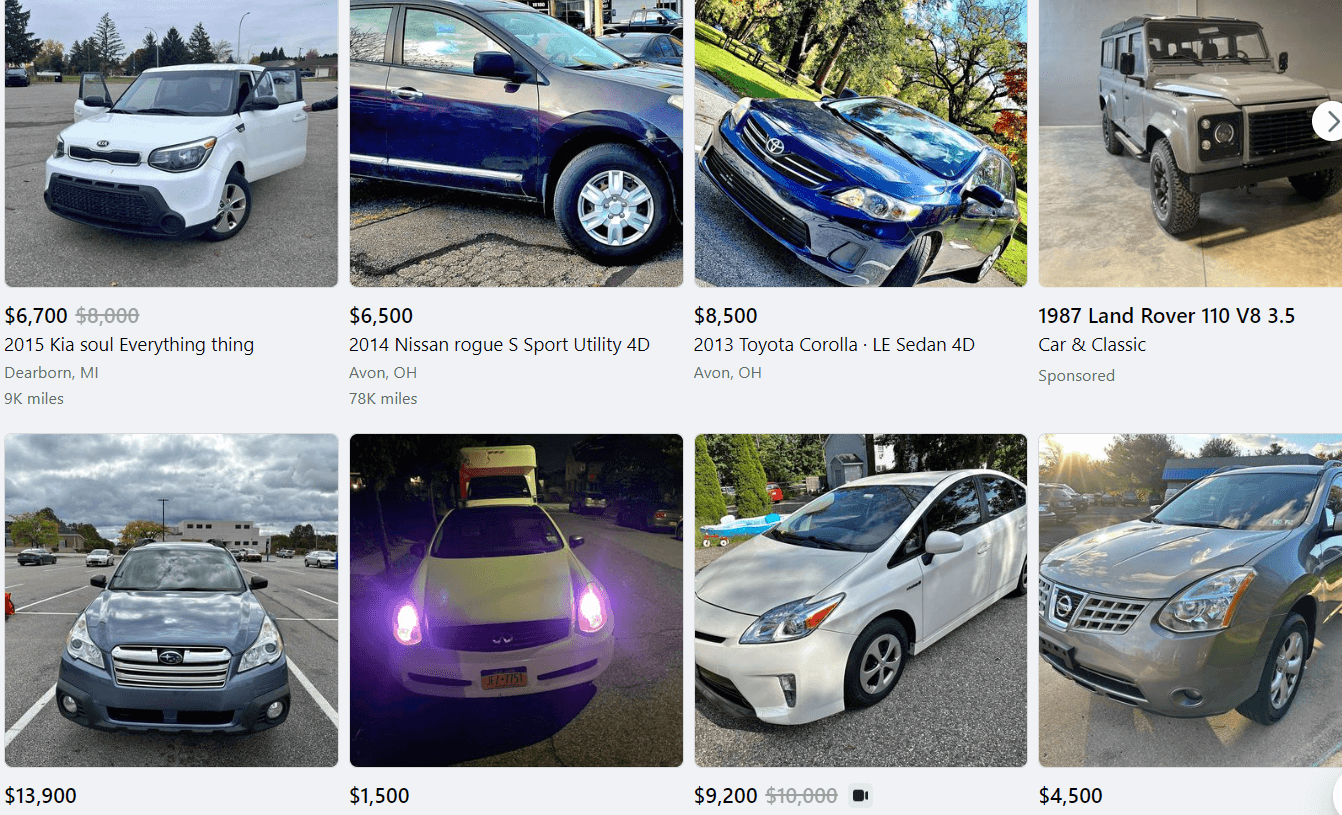
Finding a reliable used vehicle without paying steep dealership fees is a major priority for many budget-conscious buyers. One of the most popular platforms for private-party sales today is the social media giant's local classified section. Shopping for facebook marketplace cars and trucks by owner allows you to cut out the middleman, negotiate directly with the person who drove the vehicle, and often secure a significantly better price than what a traditional car lot would offer.
However, buying directly from private sellers also comes with unique challenges. Unlike dealerships, private sellers do not offer warranties, and the platform lacks the rigorous consumer protections found on specialized auto-trading sites. To make a smart purchase, you need a strategic approach to searching, vetting, and inspecting vehicles.
How to Search for Facebook Marketplace Cars and Trucks by Owner
Getting the best results on the platform requires mastering its search filters and sorting through listings efficiently. Because private sellers and commercial dealers often post in the same space, you have to know how to isolate private listings.
Refining Your Search Filters
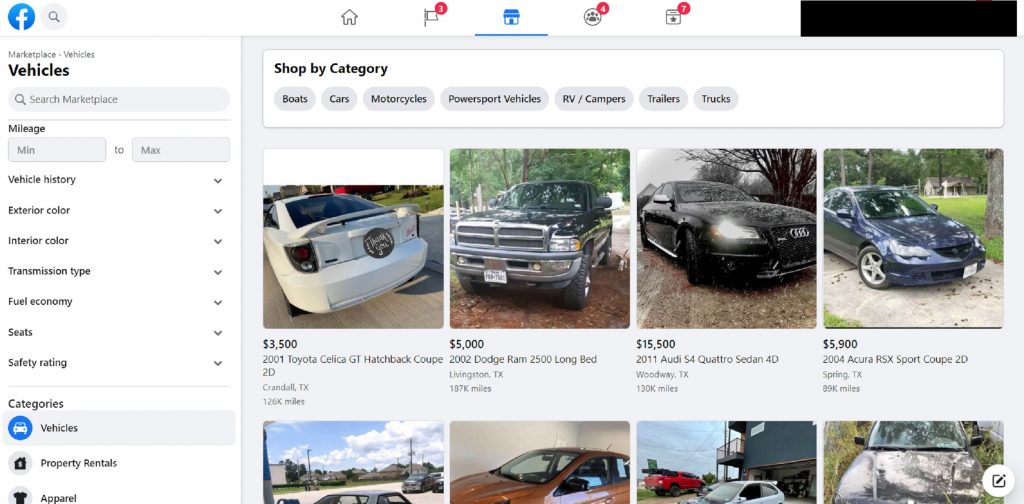
Start by setting a strict geographic radius. While a great deal might pop up two hours away, transportation costs or the risk of driving an unfamiliar vehicle a long distance can outweigh the savings. Use the following filters to narrow your options:
- Price Range: Set realistic minimum and maximum budgets.
- Year and Mileage: Filter out vehicles that are too old or have excessive mileage for your comfort level.
- Vehicle Type: Clearly separate cars from trucks, SUVs, or vans.
- Transmission and Fuel Type: Eliminate options that do not match your daily driving requirements.
Identifying True Private Party Sellers
Many small-scale or curbstoner dealers disguise themselves as private owners to avoid legal responsibilities and give the impression of a friendly neighbor selling a personal vehicle. To spot true private party listings:
- Click on the seller's profile. A private owner typically has a standard personal profile with friends, personal posts, and history dating back several years.
- Check the seller's active listings. If they have five different makes and models of cars listed simultaneously, they are likely a dealer.
- Look at the background of the listing photos. Private owners usually photograph cars in their driveway, apartment parking lot, or street in front of their home. Dealerships photograph vehicles on lots with inventory stickers or in front of a showroom.
Evaluating Listings and Avoiding Scams
The convenience of social media classifieds also attracts fraudsters. Protecting your financial and personal safety starts long before you meet a seller in person.
Red Flags to Watch Out For
If a deal looks too good to be true, it almost certainly is. Be extremely cautious if you encounter any of the following scenarios:
- Requests for deposits: Never send a deposit via Venmo, Zelle, or cash app to hold a car before you have seen it and verified the title in person.
- Vague descriptions: Listings that only say "runs great, no issues" with blurry photos and no VIN provided should be avoided.
- Excuses about the title: Run away from any seller who claims the title is being held by a bank they cannot pay off, is missing, or is from out of state without proper documentation.
- Unusual payment demands: Sellers who refuse cash or standard cashier's checks drawn from a reputable local bank should be treated with suspicion.
Communicating with the Seller
When you find a promising vehicle, send a concise message asking specific questions. Do not just ask "Is this still available?" Instead, ask about service history, reasons for selling, and whether the title is clean and in their name. Their responsiveness and willingness to answer detailed questions will tell you a lot about their honesty.

Inspecting and Testing the Vehicle
Once you have established contact and verified basic details, it is time to inspect the vehicle in person. Never skip this step.
The Initial Walkaround and Check
Always meet in a well-lit, public place—such as a police station parking lot or a bank parking lot during daylight hours. Bring a friend or family member with you. When inspecting the car:
- Check the body panels for uneven gaps, mismatched paint, or signs of rust, which could indicate a past accident.
- Look under the hood for fluid leaks, corrosion, or excessively dirty oil caps (which can signal poor maintenance).
- Inspect the tire tread evenly across all four tires. Uneven wear points to suspension or alignment issues.
The Test Drive
Drive the vehicle on a variety of roads, including a stretch of highway if possible. Turn off the radio so you can listen for strange engine noises, grinding brakes, or suspension clunks. Test all major electronics, including the air conditioning, heater, power windows, and infotainment system.
Getting a Pre-Purchase Inspection (PPI)
If the vehicle passes your initial test drive, ask the seller if you can take it to a local mechanic of your choice for a Pre-Purchase Inspection. A professional mechanic will put the car on a lift, check the undercarriage, run diagnostics for hidden error codes, and give you an honest assessment of upcoming repair costs. A $100 to $200 PPI can save you thousands of dollars down the road.
Finalizing the Purchase Safely
When you are ready to buy, paperwork and payment must be handled correctly to ensure legal ownership transfer.
Verifying the Title
Ask the seller to show their driver's license and verify that the name matches the name printed on the vehicle title. Check the VIN on the dashboard and door jamb against the VIN printed on the title document to ensure they match perfectly.
Completing the Transaction
Meet at a local bank or a Department of Motor Vehicles (DMV) office to complete the financial exchange and sign the title over. Banks provide a safe environment for handling large amounts of cash or verifying cashier's checks. Once the bill of sale is signed and funds are transferred, ensure you get the signed title, a receipt, and all sets of keys before driving your new vehicle home.