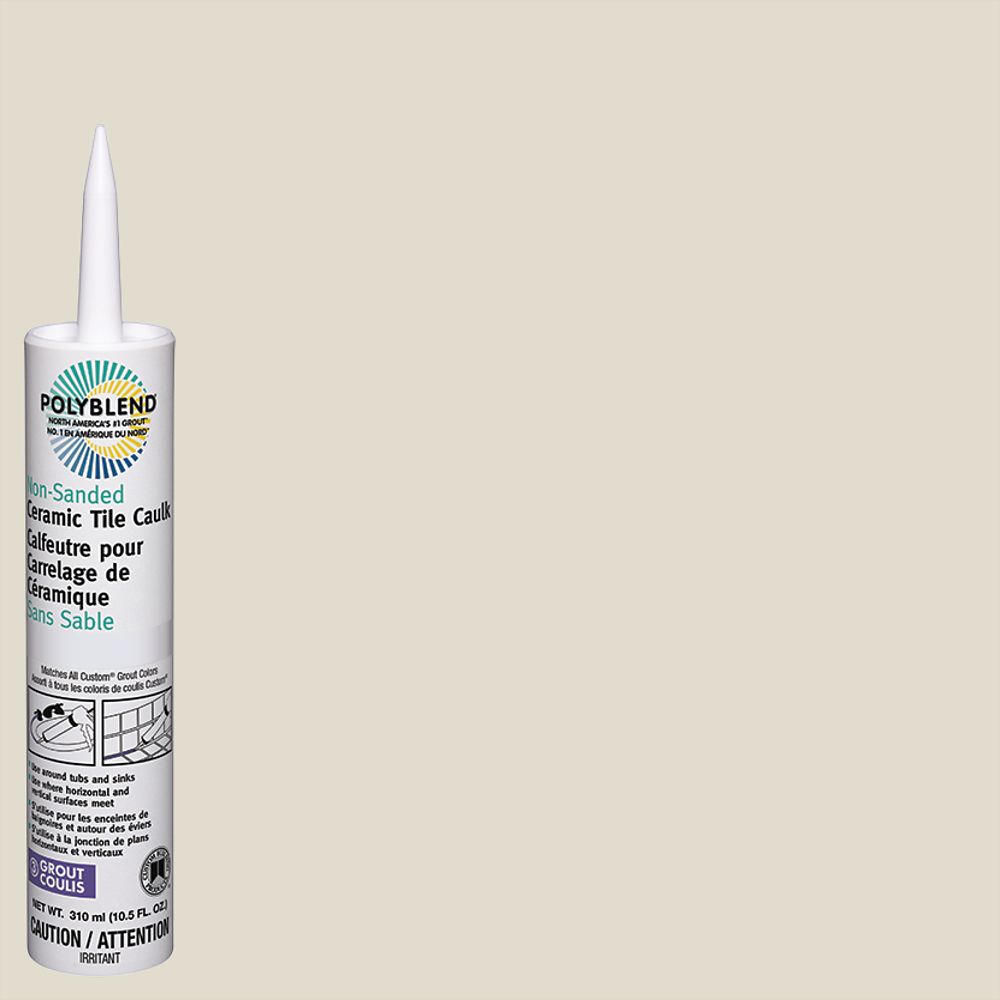
Buying Guide for Grout at Home Depot
Navigating the Grout Aisle at Home Depot

Walking down the tile and flooring aisle can feel overwhelming if you aren't sure what you are looking for. When shopping for grout at Home Depot, you will encounter dozens of bags, buckets, and additives from major brands like Custom Building Products (Polyblend) and Mapei. Choosing the correct formulation is just as important as picking the right tile, as the wrong product can crack, stain, or fail to hold up in wet environments.
Whether you are tackling a small kitchen backsplash or a massive bathroom floor renovation, understanding your options beforehand will save you time and prevent costly mistakes. This guide breaks down everything you need to know about navigating the Home Depot grout selection to get professional-looking results.
Understanding the Main Types of Grout Available
Before heading to the store or ordering online, you need to know which category of grout suits your tile spacing and application area. Home Depot generally stocks four primary types of grout.
1. Sanded Grout
Sanded grout contains fine aggregate (sand) that helps the mixture hold its volume as it cures. This prevents severe shrinking and cracking in wider joints.
- Best used for: Floor tiles and wall tiles with grout joints wider than 1/8 inch.
- Pros: Highly durable, resists shrinking, and provides a strong bond in wide gaps.
- Cons: The abrasive sand can scratch delicate polished stone, glass, or marble tiles.
2. Unsanded Grout
Unsanded grout is a smooth mixture without aggregate. Because it lacks sand, it can shrink more during the drying process, making it unsuitable for wide gaps.
- Best used for: Walls and backsplashes with narrow grout joints (less than 1/8 inch), as well as delicate tile surfaces like glass or polished marble.
- Pros: Smooth texture won't scratch sensitive tiles; easily packs into tight spaces.
- Cons: Prone to shrinking and cracking if used in joints wider than 1/8 inch.
3. Premixed / Acrylic Grout
Ready-to-use formulas, such as SimpleGrout found at Home Depot, come in plastic tubs and require no mixing with water. You simply open the lid and start applying.
- Best used for: Small to medium DIY projects, backsplashes, and shower walls (check manufacturer specs for continuous submersion areas).
- Pros: Incredibly convenient, no mess from mixing powders, color-consistent, and leftover product can be saved for touch-ups.
- Cons: Generally more expensive per square foot than powdered grout and dries slower because it cures via evaporation rather than a chemical reaction.
4. Epoxy Grout
Epoxy grout consists of an epoxy resin and a hardener. It creates an extremely dense, non-porous joint that resists stains, chemicals, and heavy moisture.
Video: Best way to clean Grout? Powerful Grout Cleaning Machine Rental at Home Depot #groutcleaning #howto
- Best used for: Commercial kitchens, heavy-traffic floors, countertops, and shower floors prone to mold and mildew.
- Pros: 100% waterproof, highly stain-resistant, never needs sealing, and extremely strong.
- Cons: Difficult to apply, sets very quickly, requires precise mixing, and carries a much higher price tag.
Powder vs. Premixed: Which Should You Choose?

The eternal debate for DIYers at Home Depot is whether to buy powdered grout in a bag or premixed grout in a bucket. Each option serves a distinct purpose depending on the scope of your project.
Powdered grout requires you to measure water and mix it yourself using a drill paddle attachment. While this adds an extra step and a bit of physical labor, it cures much faster and stronger through a chemical process called hydration. For large floor installations, powdered grout is almost always the more economical and durable choice.
On the other hand, premixed acrylic or polyurethane grouts eliminate human error in mixing ratios. If you are installing a kitchen backsplash on a Saturday afternoon, a tub of premixed grout lets you work at your own pace without worrying about the pot life of a mixed batch.
How to Pick the Right Grout Color
Home Depot features extensive color sample displays from brands like Mapei and Custom Building Products. Selecting the right color dramatically impacts the final look of your tile installation.
- Matching the tile: Choosing a grout color that closely matches your tile creates a seamless, uniform surface where the individual tiles blend together. This makes small rooms look larger.
- Contrasting the tile: Using a contrasting grout (such as dark gray grout with white subway tile) highlights the geometric pattern of the tile layout, giving a bold, modern appearance.
- Hiding dirt: White and light gray grout show dirt and grime quickly, especially on high-traffic floors. Mid-tone grays, taupes, and earth tones are much more forgiving in entryways and bathrooms.
Pro tip: Grout almost always dries lighter than it looks when it is wet in the bucket or freshly applied. Always check the physical sample sticks at the store rather than relying solely on the printed photo on the bag.
Essential Tools to Buy Alongside Your Grout
To successfully complete your tiling project, you will need more than just the grout itself. As you shop at Home Depot, make sure your cart includes these essential installation and cleanup supplies:
- Rubber Grout Float: Used to press the grout firmly into the joints without scratching the tile face.
- Mixing Paddle and Drill (for powder): Ensures a smooth, lump-free consistency if you buy bagged grout.
- Grout Sponge: Heavy-duty, dense sponges with rounded corners prevent gouging fresh grout lines during cleanup.
- Large Buckets: You will need a two-bucket system for cleaning—one for rinsing your sponge and one with clean water.
- Grout Sealer: Unless you use a stain-resistant formula or epoxy, a penetrating sealer is necessary to protect cement-based grout from stains and moisture.
- Kneeling Pad: A simple quality-of-life investment for floor installations.
Tips for Buying and Storing Grout
Before you check out at Home Depot, take a moment to inspect your items. Check the manufacturing date or batch numbers on bags of powdered grout. Using bags from the exact same manufacturing batch ensures uniform color across your entire floor or wall.
If you buy powdered grout and have leftovers, store it in an airtight container away from moisture. Cement-based grout will absorb humidity from the air and form hard clumps, rendering it useless for future repairs. Premixed grout tubs must be sealed tightly and protected from freezing temperatures to remain usable for future touch-ups.
Final Thoughts
Choosing the right grout at Home Depot comes down to matching your tile joint width, location, and aesthetic preferences. Take your time looking at the color swatches, double-check whether you need sanded or unsanded varieties, and pick up the right cleanup tools before you start. With proper planning and quality materials, your tile project will look clean, professional, and built to last for years to come.