Caliper Test Made Simple with This Free Download
Understanding the Caliper Profile

Pre-employment assessments are a standard hurdle in modern hiring. Among them, the Caliper Profile stands out as one of the most comprehensive behavioral assessments used by employers. If you are preparing for this evaluation, having the Caliper Test Made Simple with This Free Download can make all the difference in reducing your anxiety and improving your performance.
Unlike traditional aptitude tests that measure logic or math skills, the Caliper Profile measures your personality traits, cognitive style, and behavioral tendencies. It is designed to predict how you will perform in a specific role, how you handle stress, and how you interact with colleagues. Understanding what the test measures is the first step toward approaching it effectively and authentically.
What to Expect on the Assessment
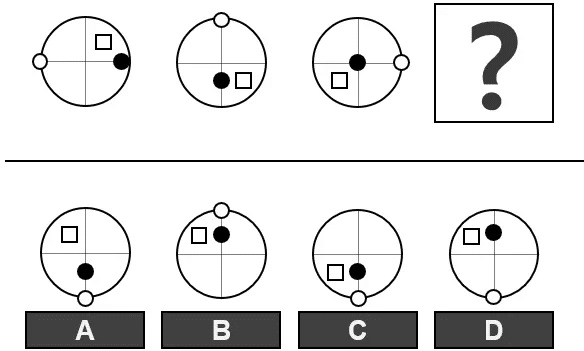
The Caliper Profile typically consists of around 150 to 180 questions, and it is usually untimed, though most people finish within two to three hours. The format generally includes multiple-choice questions where you must rank statements based on how accurately they describe you, or select which traits are most and least like your working style.
Key Trait Categories Measured
Employers look at several core dimensions when reviewing your Caliper results. Familiarizing yourself with these categories will help you understand the framework of the exam:
- Leadership and Influence: How naturally you take charge, guide others, and persuade team members.
- Problem-Solving and Decision-Making: Your approach to analyzing information and handling complex workplace challenges.
- Interpersonal Style: How you communicate, collaborate, and build relationships in a professional environment.
- Resilience and Urgency: Your capacity to manage stress, maintain productivity under pressure, and meet tight deadlines.
Strategies for Success
Because the Caliper Profile evaluates your genuine behavioral tendencies, the golden rule is consistency. The test includes internal consistency checks to ensure candidates aren't just trying to guess the "right" answer. Here are practical strategies to help you navigate the assessment successfully:
Video: I've Been Proven Wrong About Calipers!

Be Honest and Consistent
Attempting to fake your personality to match what you think the employer wants to see usually backfires. The algorithm easily catches contradictory answers. Instead, lean into your genuine strengths while keeping the target job requirements in mind. For example, if you are applying for an independent research role, scoring high on introverted, detail-oriented traits is completely normal and acceptable.
Create a Distraction-Free Environment
Even though the test is untimed, you want to complete it in one sitting while your mind is fresh. Choose a quiet space with a stable internet connection, turn off your phone notifications, and ensure you won't be interrupted for at least two hours.
Get Your Free Caliper Practice Resource
Preparation is the ultimate confidence booster. While official Caliper questions are proprietary, practicing with similar behavioral frameworks helps you become comfortable with the forced-choice question format. We have compiled a comprehensive preparation guide and sample questionnaire to help you visualize the process.
Reviewing these practice materials allows you to reflect on your professional style, strengths, and communication preferences beforehand. This self-awareness translates directly into quicker, more decisive answers when you take the actual assessment.
Final Thoughts
Facing a behavioral assessment can feel intimidating, but remember that employers use the Caliper Profile to find the right cultural and functional fit for their team—not to trip you up. By understanding the core competencies, staying consistent in your answers, and utilizing helpful preparation tools, you can approach your assessment day feeling calm, prepared, and ready to put your best foot forward.