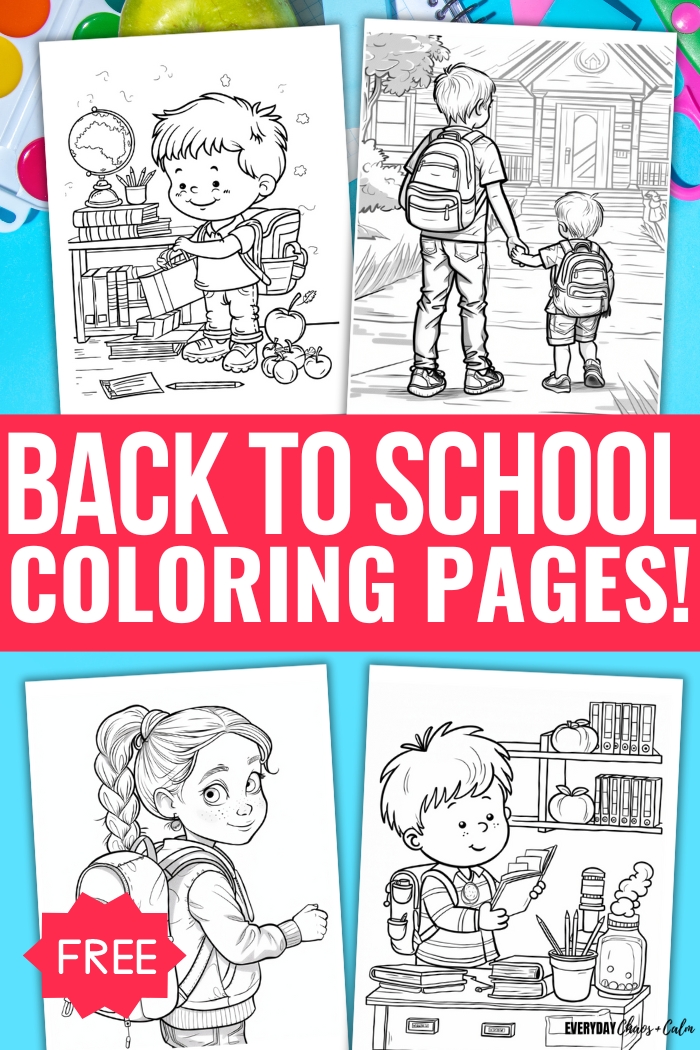
Calming Back to School Coloring Pages for Stress
The return to the classroom brings excitement, but it also carries a significant wave of sensory overload, schedule shifts, and academic pressure. Whether you are a parent soothing morning jitters, an educator building a quiet corner, or a student facing syllabus week, having access to instantly calming free printable back to school coloring pages for stress provides a fast, accessible reset button for an overstimulated nervous system.

Coloring is no longer viewed merely as a time-filler for kindergarteners. Modern psychology recognizes structured coloring as an effective self-regulation strategy that bridges creative expression and somatic mindfulness. When schedules feel chaotic and expectations mount, sitting down with paper and color offers immediate psychological grounding.
Why Instantly Calming Free Printable Back to School Coloring Pages for Stress Work
Stress during the back-to-school season often manifests as anticipatory anxiety. The brain's threat-detection center, the amygdala, goes into overdrive as it anticipates new social dynamics, harder coursework, and unfamiliar routines. Structured coloring exerts a direct physiological effect on this response:
- Amygdala De-escalation: The repetitive motor action of shading inside borders focuses visual and motor attention on a single, low-stakes task. This sensory immersion interrupts rumination and lowers heart rate.
- Bilateral Brain Engagement: Selecting hues and balancing palettes stimulates the visual cortex and frontal lobes, while the physical hand movements recruit the motor cortex. Integrating both hemispheres helps re-establish emotional balance.
- Low-Stakes Autonomy: School environments are inherently evaluative, filled with rubrics, tests, and rules. A coloring page has no wrong answers. It restores an immediate sense of control and personal agency to a stressed individual.
The Best Calming Coloring Themes for Back-to-School
Not all coloring pages produce the same calming effect. Overly simplistic line art can feel patronizing to older learners, while hyper-intricate sheets with microscopic lines can induce frustration rather than relaxation. The following four design categories strike the ideal balance between engagement and tranquility.
1. School-Themed Mandalas and Geometric Art
Mandalas are circular symmetrical designs with deep historical roots in meditative traditions. Back-to-school adaptations weave items like colored pencils, compass rings, stacks of open books, and apple motifs into concentric geometric bands. The radial symmetry naturally draws the eye toward the center, promoting a tranquil, focused mental state.
2. Autumn Transitions and Nature Motifs
September coincides with shifting natural rhythms. Pages showcasing gentle seasonal themes—such as falling maple leaves, acorns, forest animals carrying backpacks, or cozy library window seats framed by rainy glass—help anchor learners in the grounding beauty of the natural world.
3. Positive Affirmation and Growth-Mindset Lettering
Typography-based coloring pages combine cognitive reframing with tactile mindfulness. Phrases such as "I can handle hard things," "Progress over perfection," or "One breath at a time" embedded within floral or abstract borders allow students to repeatedly internalize calming, supportive truths while coloring each letter.

4. Cozy Storybook Vignettes
For younger elementary students, visual narrative sheets depicting comforting scenes—like a sleepy animal reading under a desk lamp or a tidy classroom cubby—cultivate feelings of security and warmth, reducing separation anxiety during the first weeks of the school year.
How to Integrate Calming Coloring into Daily Routines
Printable coloring pages are most effective when integrated systematically into points of high daily friction. Rather than using them solely as a reaction to a breakdown, build them into preventative rhythms.
- The "Soft Start" Morning Entry: Instead of immediate morning quizzes or administrative chaos, place a fresh printable coloring sheet face-up on each student's desk. Giving learners ten quiet minutes to settle their belongings, listen to ambient music, and color eases the jarring transition from noisy bus rides to quiet academic work.
- The De-Escalation Peace Corner: Equip a classroom calm-down zone with a clipboard, a binder of organized free printables, and a caddy of pre-sharpened colored pencils. When emotions boil over, visiting this corner gives the child a constructive physical outlet to regain composure.
- The Homework Decompression Buffer: At home, the shift from a long school day to evening homework frequently sparks tears. Institute a 15-minute coloring break paired with a healthy snack immediately after arrival. This releases physical tension before mental focus is demanded again.
- Post-Testing Cool-Downs: When high-stakes quizzes or standardized assessments finish, students who test quickly often face idle boredom, while slower testers feel rushed. Distributing quiet coloring printables preserves quiet in the room without elevating stress for remaining test-takers.
Choosing Materials for an Optimal Sensory Experience
The physical sensation of coloring significantly alters its therapeutic value. Scratchy pencils or paper that tears easily under pressure will heighten stress rather than diminish it. A few subtle material adjustments make a noticeable difference:
- Paper Weight: Standard multipurpose copy paper (20 lb) is prone to wrinkling, curling, and marker bleed-through. If possible, print your sheets on heavier 28 lb smooth bond or 65 lb light cardstock. The smooth surface ensures fluid strokes and tolerates wetter media.
- Coloring Utensils: Soft-core colored pencils offer velvety color laydown without requiring heavy wrist pressure. Gel pens and fine-tipped water-based brush markers are popular alternatives for older students because they glide effortlessly across the page with zero resistance.
- Soundtrack Pairing: Amplify the calming effect by pairing coloring sessions with low-frequency instrumental soundscapes, classical piano, or nature sounds (such as steady rain or forest wind) at low volume.
How to Find and Print Free High-Quality Pages
When searching for free printables, bypass compressed, pixelated images pulled directly from basic web previews, as jagged lines increase visual fatigue. Instead, seek out high-resolution PDF downloads.
Excellent free sources include public library digital archives, university education resource repositories, open-access teacher networks, and public domain cultural institutions like the Metropolitan Museum of Art and the Smithsonian, both of which offer downloadable, printable historical and natural science coloring books. When printing, always set your printer settings to "Fit to Printable Area" at 300 DPI to maintain razor-sharp line clarity.
A Simple Tool with Lasting Impact
Stress during the school year is inevitable, but burnout is preventable. By giving students and yourself permission to pause, breathe, and focus on the rhythmic filling of shapes and colors, you introduce a powerful self-soothing ritual. A single piece of paper and a handful of colors can transform a frantic back-to-school afternoon into a moment of genuine restoration.