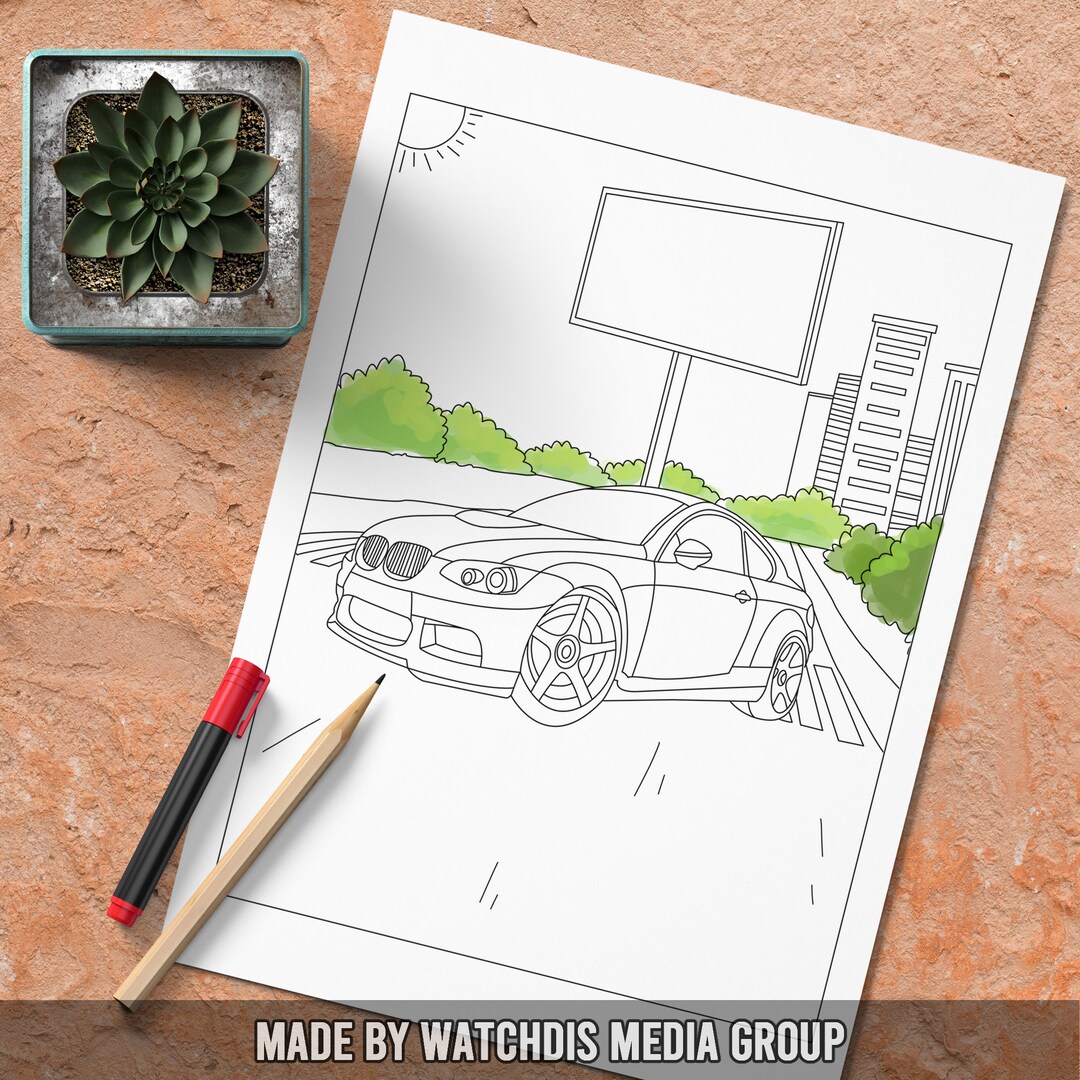
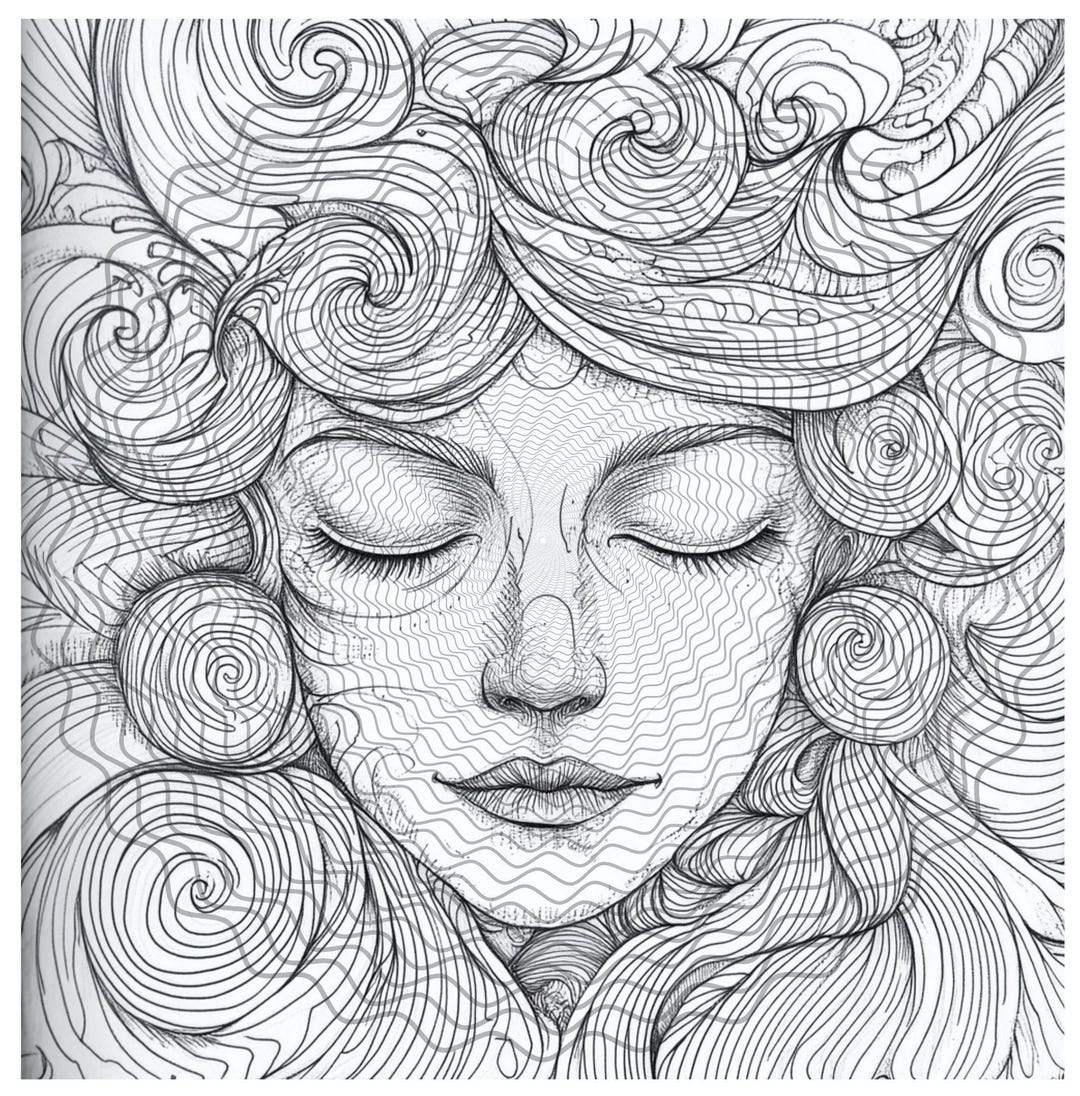
Calming Cars Coloring Pages: Melt Stress Away
Modern life moves at breakneck speed. Between endless notification pings, demanding work schedules, and screen-induced mental fatigue, finding an effective way to decompress is essential for your mental well-being. If you are looking for a creative, tactile outlet that requires zero artistic background, it is time to discover calming cars coloring pages to melt your stress away right now. Coloring automotive designs blends the structured beauty of mechanical engineering with the meditative rhythm of art therapy, giving your overactive mind a restorative space to pause.

The Therapeutic Power of Automotive Art Therapy
Art therapy research consistently shows that repetitive, structured coloring lowers amygdala activity—the brain's fear and stress command center. While botanical patterns and mandalas have traditionally dominated adult coloring books, vehicles offer distinct psychological advantages that appeal to both casual hobbyists and dedicated gearheads.
Automobiles are defined by balance, symmetry, and aerodynamic flow. When you focus on coloring the sweeping fender of a vintage roadster or the clean proportions of a mid-century sedan, your brain engages in bilateral stimulation. This process involves coordinating visual tracking and micro-motor movement across both hemispheres of the brain. The clear outlines provide safe boundaries, eliminating the anxiety of a blank page, while the mechanical details demand just enough concentration to push intrusive worries out of your awareness.
Discover Calming Cars Coloring Pages to Melt Your Stress Away Right Now
Not all car drawings offer the same psychological benefits. Overly dense, hyper-technical blueprints can induce frustration, while childish cartoons often fail to engage adult focus. To achieve genuine tranquility, look for themes that evoke freedom, nostalgia, and balanced composition.
1. Nostalgic Classics and Vintage Cruisers
There is an inherent warmth in vintage automotive design. Illustrations of 1950s convertibles, 1960s muscle cars, or classic European roadsters tap into romanticized eras of open roads and unhurried travel. The rounded fenders, distinct chrome bumpers, and whitewall tires provide large, continuous areas to shade, making them exceptionally soothing for beginners working with colored pencils or alcohol markers.
2. Scenic Road Trip Vistas
Pages that pair a vehicle with an expansive landscape double the calming effect. Imagine a retro camper parked on a quiet cliff overlooking the Pacific, or an overland 4x4 resting beneath a canopy of pine trees. These scenic illustrations allow you to alternate between precise mechanical lines and loose, organic natural textures like clouds, waves, and foliage.
3. Minimalist Modern Supercars
If you prefer sleek, contemporary aesthetics, minimalist supercar line art provides geometric satisfaction. These pages emphasize continuous aerodynamic curves, sharp splitters, and aggressive rooflines. Filling these streamlined panels with smooth gradient blends allows you to practice steady, rhythmic hand motions that promote a tranquil, flow-like state.
4. Cozy City Cruisers and Neighborhood Streets
Charming city compacts parked outside cobblestone cafes or idling at quiet suburban crosswalks offer a slice-of-life charm. The surrounding architecture adds contextual depth, transforming your coloring session into a brief mental vacation in a quiet corner of the world.
Selecting the Right Tools for Mindful Coloring

The sensory feedback of your tools plays a significant role in stress reduction. The scratch of rough graphite or the bleed of cheap ink can quickly ruin an otherwise relaxing evening. Consider assembling a dedicated, modest kit:
- Soft-Core Colored Pencils: Pencils with wax- or oil-based cores (such as Prismacolor Premier or Faber-Castell Polychromos) glide across paper without requiring heavy hand pressure. They make blending reflections on car hoods intuitive and satisfying.
- Alcohol-Based Markers: If you want streak-free, vibrant paint jobs, brush-tip alcohol markers provide even saturation. Because they can bleed through standard printer paper, print your pages on 65 lb to 80 lb cardstock.
- White Gel Pens: Adding crisp white highlights to windshield glass, chrome mirrors, and wheel rims provides an instantly gratifying finishing touch that brings your page to life.
- Tortillons or Blending Stumps: These tightly rolled paper sticks smooth out pencil strokes, allowing you to create smoky exhaust trails or soft horizon gradients without straining your fingers.
Essential Shading Techniques for Automotive Sheets
You do not need an art degree to make sheet metal look real and reflective. Mastering two or three simple techniques will elevate your coloring pages from flat drawings to striking illustrations:
- Establish a Consistent Light Source: Before coloring, pick a single corner of the page where the light originates (for example, the top-right corner). Surfaces facing that direction will stay lightest, while the opposite lower surfaces receive darker tones.
- Simulate Horizon Reflections: Car doors and panels act like mirrors. Draw a soft, slightly angled line across the door panels. Color the area below this line with darker tones (representing the road surface) and the area above it with lighter sky tones to mimic natural metallic reflections.
- Circular Layering: Apply color in small, overlapping circular motions rather than rigid back-and-forth strokes. This technique deposits pigment evenly into the paper grain and prevents visible pencil lines on wide body panels.
How to Build a 15-Minute Daily Decompression Ritual
Consistency is key to managing chronic stress. You do not need hours of uninterrupted free time to reap the neurological benefits of coloring. A focused 15-minute routine after work or before bed can recalibrate your nervous system:
- Silence Digital Distractions: Place your phone in another room or set it to "Do Not Disturb." Visual peace begins with uninterrupted attention.
- Limit Your Palette: Decision fatigue is a real contributor to daily stress. Pre-select three to five complementary colors (for example, steel blue, slate gray, chrome silver, and black) before you put pencil to paper.
- Focus on Breath and Texture: Pay attention to the physical sensation of the pencil moving over paper. Synchronize your breathing with long strokes across the bodywork to ground yourself in the present moment.
- Release Perfectionism: The goal is emotional balance, not gallery-ready perfection. An uneven blend or a mark outside the lines does not diminish the mental benefits of the process.
Frequently Asked Questions
Can coloring pages help reduce physical symptoms of anxiety?
Yes. Studies indicate that focused coloring reduces heart rate and stabilizes breathing patterns by shifting the autonomic nervous system out of "fight or flight" mode into the "rest and digest" state. Engaging with repetitive patterns interrupts circular anxious thoughts.
What is the best paper weight for printing coloring pages at home?
Standard 20 lb copy paper easily tears, wrinkles with markers, and limits pencil layering. For optimal results, print coloring pages on 65 lb to 80 lb matte cardstock. It handles heavy pencil blending and light marker washes without bleeding or buckling.
Do I need to follow realistic car colors?
Not at all. While some enthusiasts enjoy rendering factory-accurate British Racing Green or classic Ferrari Rosso Corsa, creative expression is paramount. Pastel purples, vibrant neon gradients, or monochrome palettes can be equally therapeutic and visually striking.
Start Your Creative Reset Today
Unwinding does not have to involve complex meditation apps or expensive hobbies. A sharpened pencil, a clean surface, and a well-composed automotive template are all you need to step away from daily tension. Choose your favorite car model, pick your palette, and let the soothing rhythm of coloring restore your peace of mind.