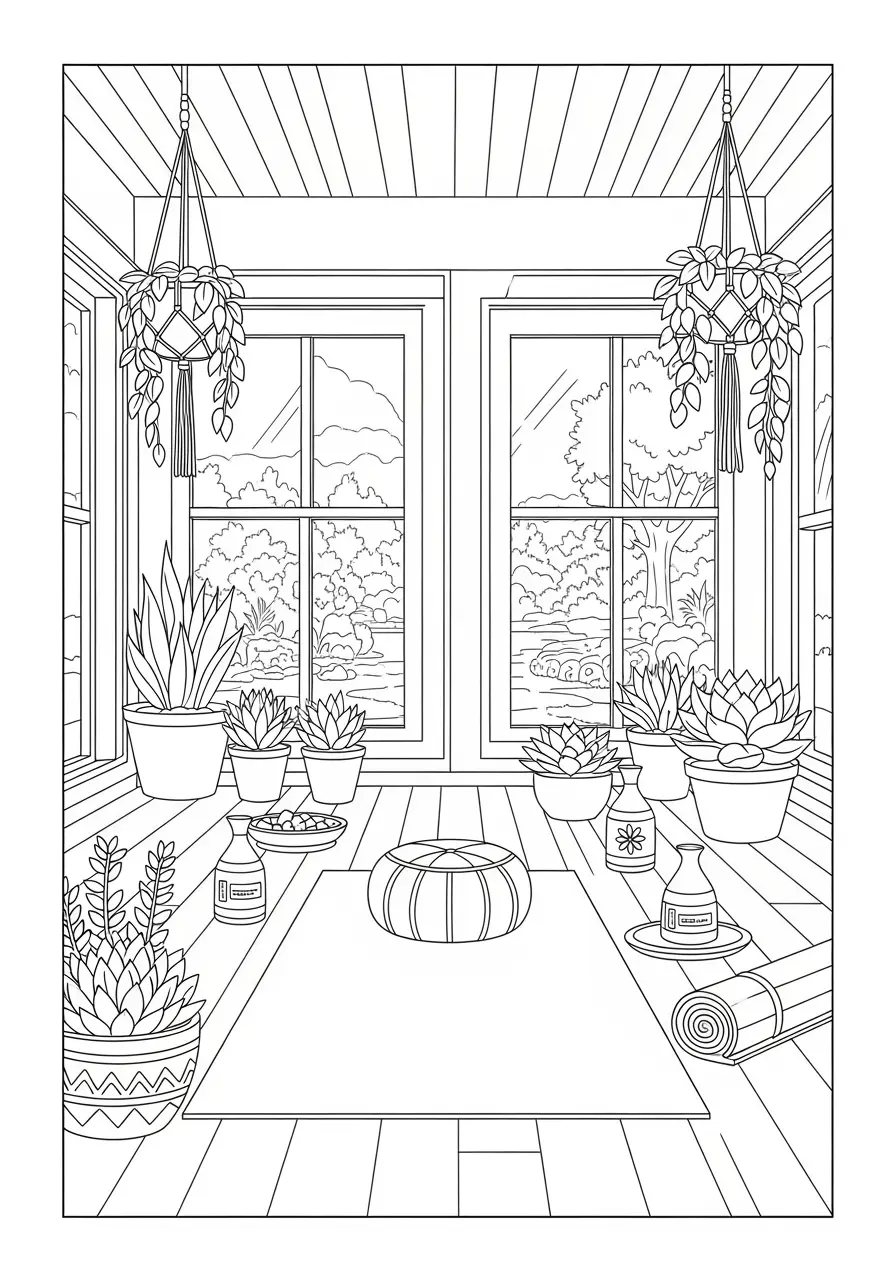
Calming Coloring Pages & Drawing Techniques for Stress
In our hyper-connected, fast-paced world, finding a moment of genuine mental stillness can feel nearly impossible. Between endless notifications, work deadlines, and daily responsibilities, our nervous systems remain in a constant state of low-grade fight-or-flight. If you are searching for a simple, screen-free way to unwind, you don't need a complicated meditation practice. Instead, you can look to calming coloring pages and drawing techniques for instant stress relief.
Art therapy and mindful art-making have long been celebrated by psychologists for their ability to soothe anxious minds. Engaging with lines, shapes, and colors requires just enough cognitive focus to pull you away from spiraling thoughts, while remaining relaxing enough to let your nervous system finally downshift.
The Science Behind Art and Stress Reduction
When we color or doodle, something remarkable happens in the brain. Neuroimaging studies show that creative activities significantly reduce cortisol levels—the primary stress hormone—regardless of your artistic skill level. You do not need to be a professional illustrator to reap the benefits. When your hand moves across the paper, your brain shifts away from verbal rumination and into the present moment.
This process mimics traditional mindfulness meditation. By focusing entirely on the physical sensations of grip, pressure, and color choice, you anchor yourself in the here and now. This prevents anxiety about the future or regrets about the past from taking over your thoughts.
How to Use Calming Coloring Pages Effectively
Adult coloring books have exploded in popularity, and for good reason. They offer a structured way to be creative without the intimidation of a blank white page. However, how you approach your coloring session matters just as much as the book you choose.
Choosing the Right Designs
Not all coloring pages are created equal when it comes to relaxation. If you want to melt away stress, look for specific visual themes:
- Mandalas and geometric patterns: The repetitive, symmetrical nature of mandalas naturally induces a meditative state.
- Botanical illustrations: Leaves, flowers, and vines provide organic, flowing lines that feel gentle on the eyes.
- Zentangle-inspired designs: These feature intricate, repetitive sections that keep your hands busy and your mind clear.
- Minimalist landscapes: Avoid overly cluttered pages that might cause frustration rather than relaxation.
Setting the Scene for Maximum Relaxation
To turn a simple coloring session into a restorative ritual, curate your environment:
Video: Relax and Color 💯🖍️ | Stress Relief Coloring Page| #art #drawing #coloringbook #calm #mindfulmoment

- Silence notifications: Put your phone in another room or turn on 'Do Not Disturb.'
- Choose your medium: Colored pencils offer precision and soft textures, while gel pens or water-based markers provide vibrant, smooth coverage. Use whatever brings you joy.
- Play ambient audio: Soft instrumental music, lo-fi beats, or nature sounds can deepen your focus.
- Prioritize comfort: Sit upright with good lumbar support, ensuring your shoulders are dropped away from your ears.
Simple Drawing Techniques for Instant Calm
If you prefer a blank sheet of paper over printed outlines, simple drawing exercises can act as a reset button for an overwhelmed mind. You do not need to draw recognizable objects; abstract marks are often more effective for stress relief.
1. Mindful Doodling and Pattern Repetition
Grab a pen and draw a simple shape—a triangle, a wave, a circle, or a square. Now, repeat that shape across the page, slightly altering each one or interlocking them. The repetition creates a hypnotic rhythm. As your hand falls into a predictable pattern, your breathing naturally slows down to match the cadence of your strokes.
2. Continuous Line Drawing
This classic exercise forces you to let go of perfectionism, which is a major driver of modern stress. Place your pen on the paper and draw an object (like a coffee mug, a house, or a plant) without lifting your pen from the page once. The resulting sketch will likely look wonky and abstract, and that is entirely the point. It teaches your brain to accept imperfections and enjoy the process over the product.
3. Breath-Synced Marks
Combine breathwork with drawing to amplify your relaxation. As you inhale slowly through your nose, draw a sweeping line curving upward across the page. As you exhale through your mouth, draw the line curving downward. Continue this motion for five minutes, letting your pen trace the rise and fall of your breath. This creates a tangible visual record of your calm state.
Building a Daily Creative Decompression Habit
You do not need hours of free time to benefit from these practices. Even a ten-minute block of coloring or sketching during your lunch break or right before bed can significantly lower your daily anxiety load. Keep a small sketchbook and a pouch of pencils within arm's reach so the barrier to entry is as low as possible.
By integrating calming coloring pages and mindful drawing techniques into your routine, you give yourself a reliable, portable tool for emotional regulation. The next time you feel stress creeping in, pick up a pen, let go of expectations, and let the simple act of making marks bring you back to peace.