Calming Grade 3 Coloring Pictures for Adult Relaxation
When the adult coloring book trend exploded, millions of people bought sets of fine-liner pens and intricate mandala books, hoping to melt away work stress. Yet for many, those microscopic patterns, hyper-dense florals, and razor-thin borders created an unexpected side effect: tension, eye strain, and decision fatigue. For adults seeking relaxation, calming grade 3 coloring pictures provide an unexpectedly effective antidote. By stepping back from overwhelming complexity and embracing artwork created with balanced, approachable proportions, you can unlock genuine mindfulness without the pressure of perfection.

The Adult Coloring Paradox: When Stress Relief Causes Stress
Art therapy is rooted in the concept of effortless absorption—what psychologist Mihaly Csikszentmihalyi famously termed the "flow state." In flow, your attention is completely engaged in an achievable task, quieting the brain's default mode network (the region responsible for rumination, worry, and overthinking).
Unfortunately, mainstream adult coloring books often miss this mark. They demand intense visual focus, microscopic hand control, and dozens of color choices across hundreds of tiny geometric compartments. Instead of sinking into a meditative rhythm, colorists often encounter:
- Decision Paralysis: Wondering whether petal number 74 should be magenta or violet creates subtle cognitive friction.
- Physical Strain: Gripping fine-point pens tightly to avoid bleeding over razor-thin lines causes wrist, shoulder, and ocular fatigue.
- Completion Anxiety: Looking at a double-page spread that requires forty hours to finish can feel more like an unpaid assignment than an evening wind-down.
What Makes "Grade 3" Line Art the Sweet Spot for Adults?
Grade 3 coloring sheets—originally designed for eight- and nine-year-olds—represent a distinct developmental design tier. Children at this stage have refined their fine motor skills, meaning the art is neither childishly rudimentary nor overwhelmingly dense.
For an adult nervous system, this middle tier hits the ideal balance between simplicity and engagement.
1. Generous, Confident Line Work
Third-grade illustrations feature distinct outlines (usually 1.5 to 2.5 points thick). These clear borders remove the anxiety of accidental slips. Your hand can move smoothly and rhythmically across the paper, allowing your breathing to slow down as your motor cortex settles into a steady, automatic cadence.
2. Cohesive, Grounded Subjects
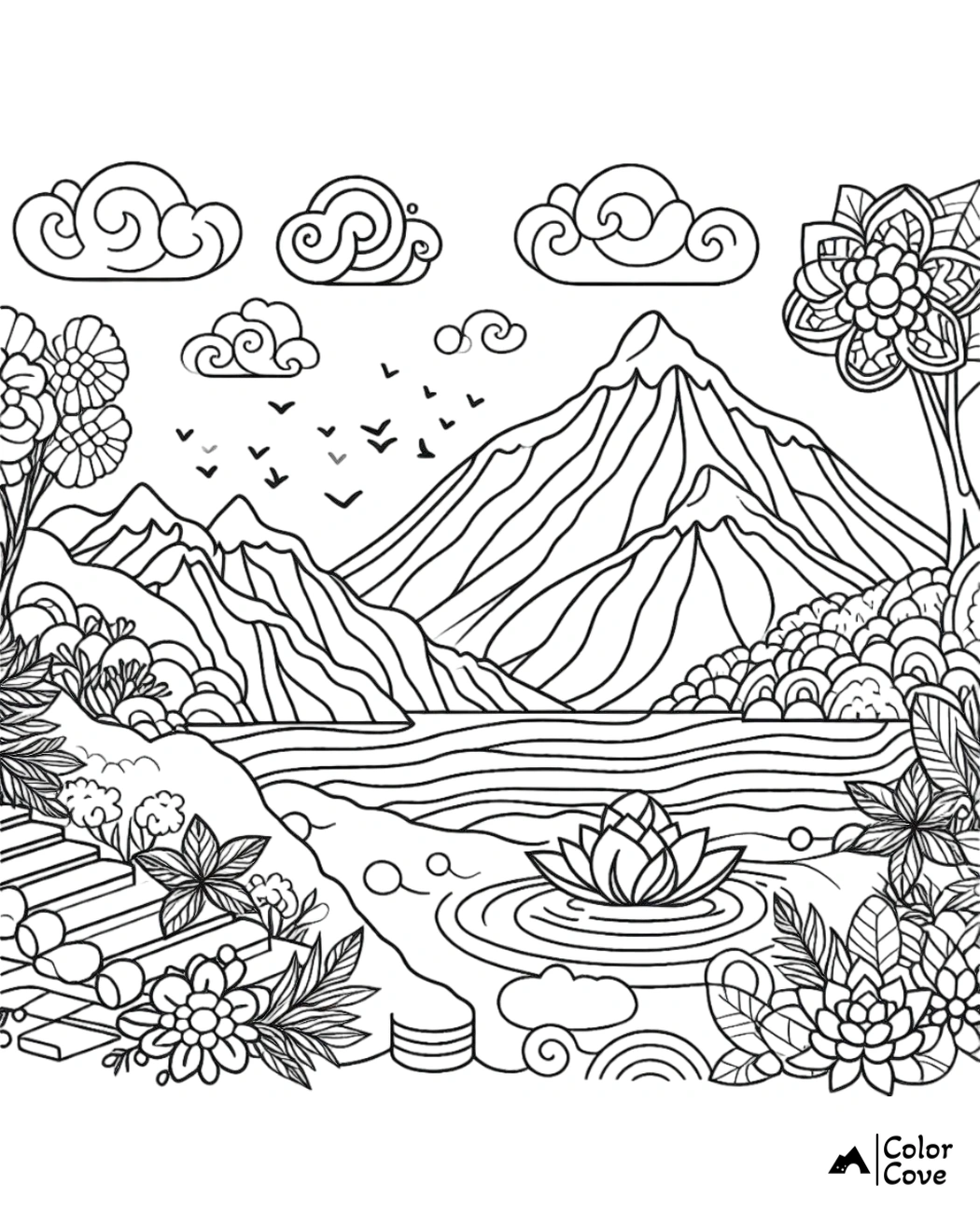
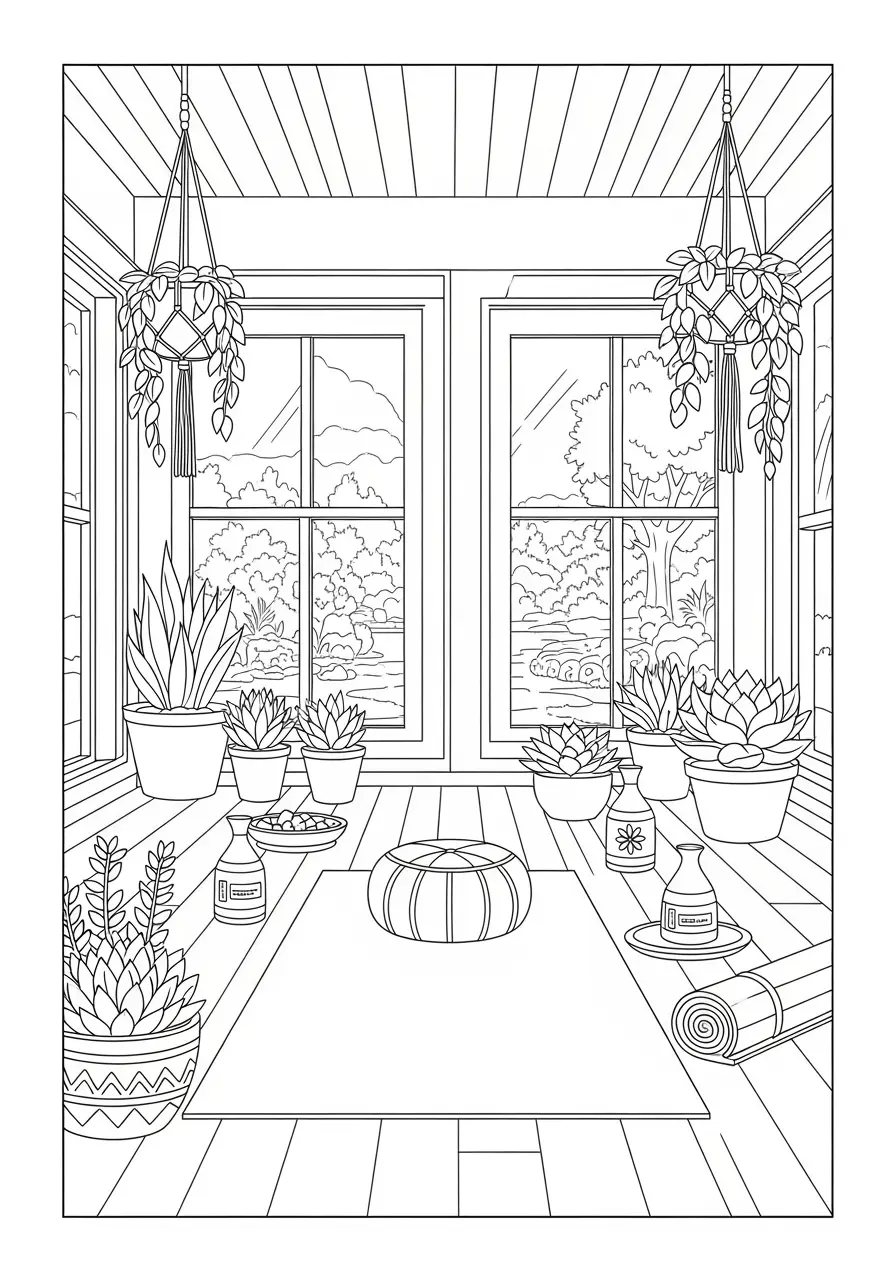
Preschool sheets feature massive, featureless cartoon shapes, while adult books lean into chaotic abstract fractals. Grade 3 artwork strikes the middle ground: recognizable, narrative subjects like a cozy reading nook, a fox curled in autumn leaves, a lighthouse against gentle waves, or a botanical greenhouse. These scenes engage the imagination and anchor the mind in a concrete, comforting visual world.
3. Rapid Closure and Dopamine Release
Finishing a creative project releases dopamine, reinforcing feelings of satisfaction and calm. A grade 3 page can easily be colored in a single 30- to 45-minute sitting. You start, immerse yourself, and finish—gaining the psychological closure that a busy day rarely provides.
For Adults Seeking Relaxation: Calming Grade 3 Coloring Pictures and Themes

If you want to introduce this practice into your evening routine, choosing the right themes is essential. Look for collections or printable downloads featuring moderate detail and organic shapes:
Cozy Interior and "Cottagecore" Vignettes
Illustrations featuring teacups, stacked books, kitchen pantries, and sleeping pets offer natural warmth. The architectural elements provide structured straight lines, while blankets, plants, and steam allow for soft, blending colors.
Botanical Gardens and Woodland Flora
Look for plant drawings where each leaf and petal is distinct rather than microscopic. Coloring foliage gives you room to experiment with gentle color gradients—shading from forest green to soft lime—without worrying about tiny borders.
Gentle Wildlife Portraits
Single-subject wildlife pictures—an owl on a sturdy branch, a sea turtle gliding through kelp, or a deer in a meadow—draw your focus directly to the center of the page. This centralized composition naturally calms scattered thoughts.
Upgrading the Experience: Adult Supplies on Simpler Art
One of the greatest joys of coloring third-grade illustrations as an adult is bringing professional, high-grade tools to unpretentious outlines. Using quality mediums elevates the tactile sensory experience:
- Soft-Core Colored Pencils: Pencils with a wax or oil core (such as Prismacolor Premier or Faber-Castell Polychromos) lay down rich, velvety pigment with minimal hand pressure. Because grade 3 spaces are broad, you have ample room to burnish and blend two or three shades together.
- Alcohol-Based or Water Brush Markers: With broad chisel tips or flexible brush nibs, quality markers allow you to fill spaces with smooth, streak-free color. The process of watching wet ink saturate the page is deeply soothing.
- Gel Pen Accents: Use a white or metallic gel pen strictly for subtle highlights—adding tiny dew drops on leaves or stars in an open sky after finishing your base colors.
A 15-Minute Evening Routine for Mental Decompression
To turn simple coloring into a reliable wellness habit, treat it as a mindful transition between your work obligations and restful sleep.
- Remove Digital Distractions: Place your phone in another room or set it to "Do Not Disturb." The blue light from screens suppresses melatonin, whereas the tactile, reflective light of paper encourages natural drowsiness.
- Limit Your Palette in Advance: To sidestep decision fatigue, choose four to five harmonizing colors before you put pencil to paper. Working within a restrained palette ensures visual harmony without requiring ongoing analysis.
- Release the Inner Critic: Remind yourself that these pages do not belong in a gallery. No one is grading your shading, your palette, or whether you stay inside the black lines. The value is entirely in the physiological stillness of the process.
Rediscover Simplicity
Stress relief should never feel like a high-stakes test of artistic patience. By turning to calming grade 3 coloring pictures, adults can reclaim the true purpose of creative leisure: to rest the mind, soften physical tension, and enjoy the pure, quiet pleasure of color meeting paper.