Camel Turkish Royal: Flavor, History, and Profile
When discussing classic cigarette brands, few names evoke as much distinct recognition and dedicated following as the Camel Turkish Royal. Manufactured by R.J. Reynolds, this particular variant carved out a unique space in the tobacco market by offering a specific blend and presentation that set it apart from standard full-flavor cigarettes. Whether you are looking into the history of American tobacco manufacturing or trying to understand the flavor profile that built its loyal customer base, examining this classic blend offers fascinating insights into consumer preferences.

The History of Camel and Turkish Tobacco
To understand the Turkish Royal, one must first look at the legacy of the Camel brand itself. Introduced in 1913 by R.J. Reynolds, Camel revolutionized the industry by combining Turkish and domestic (Virginia and Burley) tobaccos into what became known as the standard American blend. This combination produced a smoother, more approachable smoke than the harsh, unblended products common at the time.
Over the decades, R.J. Reynolds expanded the Camel portfolio to include various specialty lines, notably capitalizing on the popularity of oriental leaf varieties. The Turkish sub-brand eventually grew to encompass several styles, with the Royal edition emerging as a premium offering designed to deliver a richer, more refined smoking experience.
Flavor Profile and Blend Composition
The defining characteristic of the Camel Turkish Royal is its taste. Unlike standard red-label cigarettes that rely heavily on a robust Burley base, the Turkish Royal leans heavily into oriental leaf characteristics.
What Does It Taste Like?
Smokers typically describe the flavor profile using specific sensory notes:
- Natural Sweetness: Oriental Turkish tobacco naturally contains higher sugar content than air-cured Burley, yielding a distinctly sweet aroma and aftertaste.
- Smoothness: The blend is engineered to be notably less harsh on the throat compared to traditional full-flavor options, striking a balance between mildness and rich taste.
- Richness: Despite its smoothness, the smoke has a full-bodied, slightly nutty, and aromatic quality that separates it from ultra-light alternatives.
Design and Packaging
Video: SMOKING A CAMEL TURKISH ROYAL CIGARETTE - REVIEW

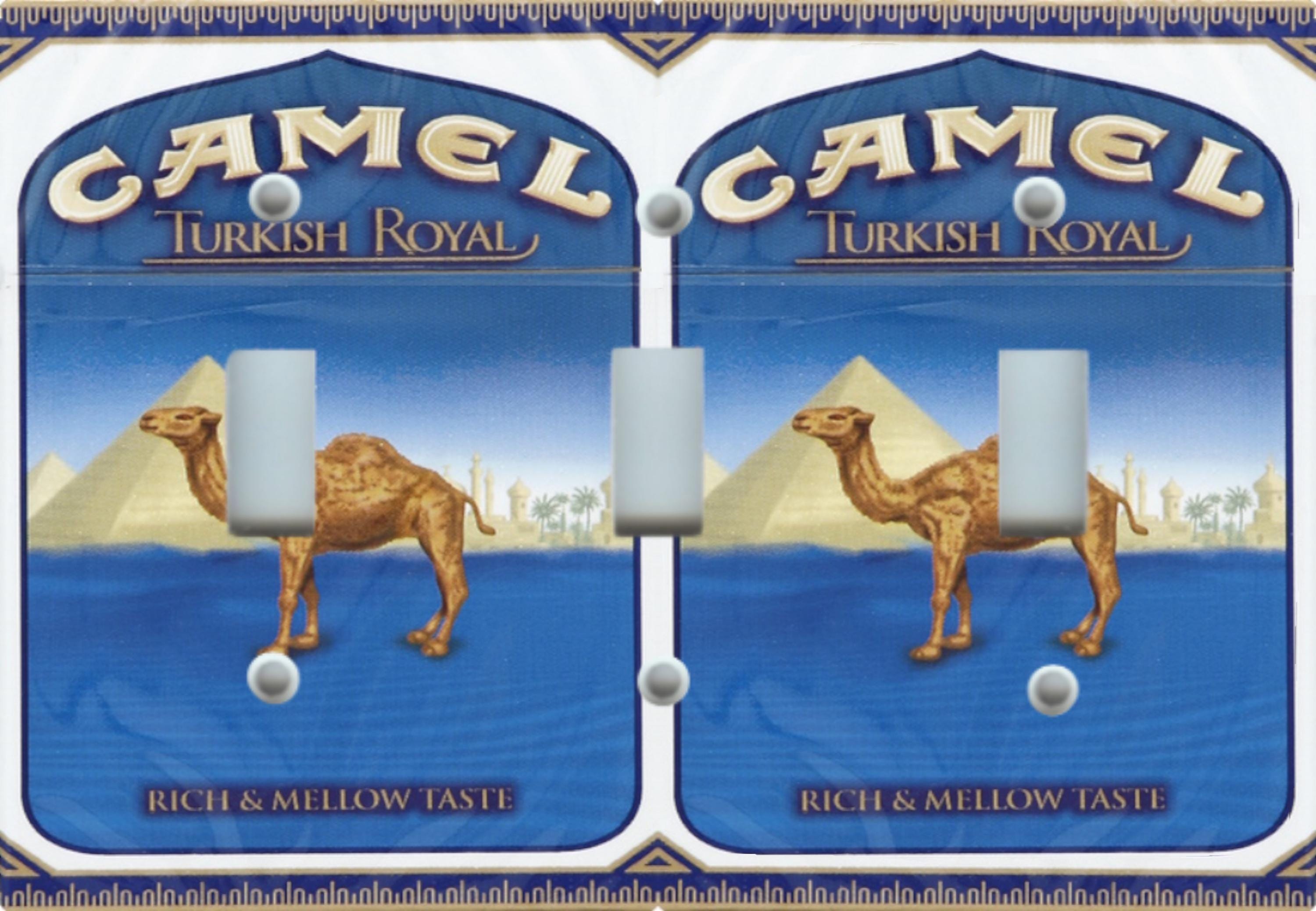
Presentation has always played a major role in the appeal of these cigarettes. The packaging features a deep blue background paired with ornate, royal-inspired gold lettering and crest accents. This aesthetic distinguishes it clearly from the classic yellow-tan packaging of regular Camels or the jade green of Camel Menthols. The visual branding communicates a sense of luxury and exclusivity, which aligns with its positioning as a premium tier within the product lineup.
Market Position and Cultural Legacy
Over the years, the Turkish Royal has achieved a cult-like status among adult smokers. In online communities, forums, and convenience store conversations, it is frequently cited as a preferred daily smoke for those who appreciate oriental leaf blends. Its distinct taste profile created a loyal demographic of consumers who rarely switch to other brands.
Regulatory Changes and Availability
The tobacco landscape has shifted dramatically over the last couple of decades. Regulatory changes, particularly the Family Smoking Prevention and Tobacco Control Act passed in the United States in 2009, heavily restricted the use of certain descriptors on tobacco packaging—such as "mild," "light," or "royal" in some interpretations, though brand names that incorporate these words have navigated compliance through various structural and labeling adjustments.
Furthermore, R.J. Reynolds has occasionally tweaked packaging designs and blend adjustments to meet modern manufacturing standards and consumer expectations. Despite these updates, the core identity of the product remains tied to its signature oriental leaf composition.
Conclusion
The Camel Turkish Royal remains a notable product in the history of American tobacco blending. By successfully merging the aromatic, sweet qualities of oriental Turkish leaf with traditional domestic tobaccos, R.J. Reynolds created a distinct flavor profile that continues to resonate with adult tobacco consumers. Its combination of regal packaging, smooth delivery, and rich taste ensures its lasting place in cigarette history.