Can a FWB Turn into a Relationship? Honest Guide
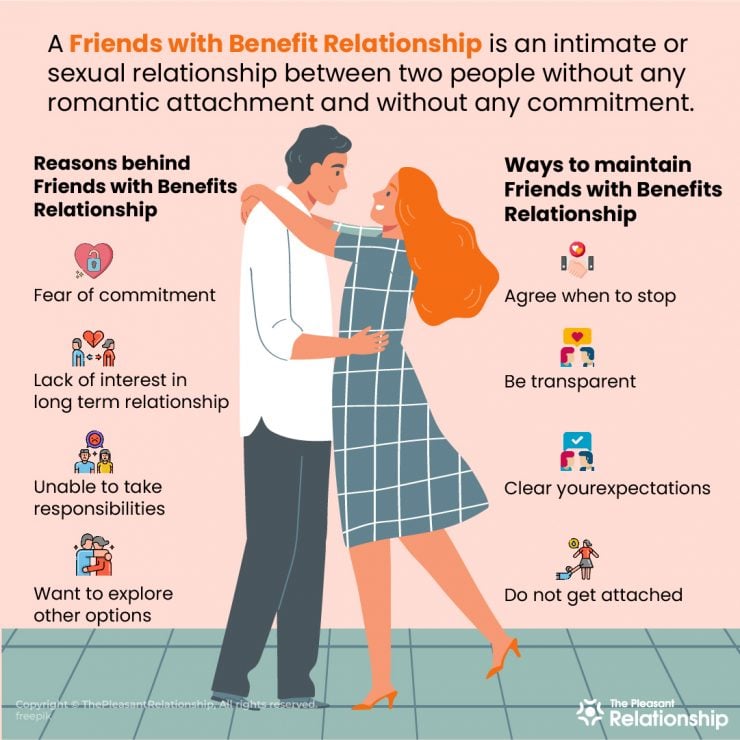
Arrangements built purely on physical convenience rarely stay static forever. When you spend intimate time with someone consistently, boundaries inevitably soften, and many people find themselves wondering: can a fwb turn into a relationship? The short answer is yes, but it happens far less often than romantic comedies suggest, and rarely without deliberate emotional recalibration from both people.
Shifting from casual intimacy to committed partnership requires crossing a delicate emotional bridge. Understanding the psychological dynamics at play, recognizing genuine interest versus convenience, and knowing how to initiate a candid conversation will determine whether you can successfully redefine your connection or whether it is time to move on.
Can a FWB Turn into a Relationship? What the Odds Say
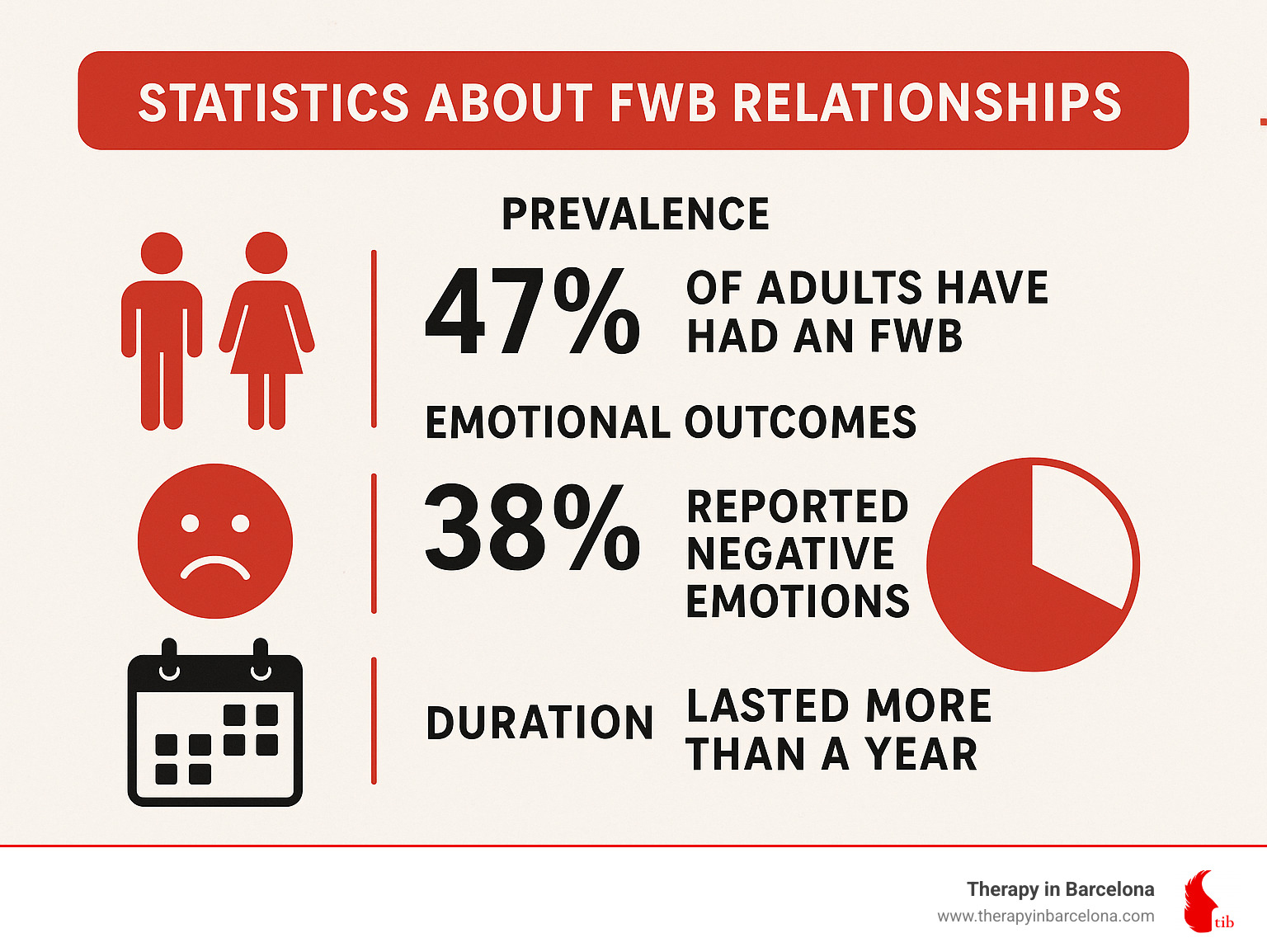
Behavioral research paints a realistic picture of friends-with-benefits (FWB) arrangements. Studies published in journals such as the Archives of Sexual Behavior indicate that while a significant portion of young adults engage in casual sexual relationships, only about 10% to 15% of these arrangements successfully transition into traditional, long-term romantic relationships.
In many cases, the arrangement either dissolves, reverts to a platonic friendship, or lingers in a state of ambiguous frustration where one partner wants more while the other is content with the status quo. However, those that do evolve usually share specific foundations: strong pre-existing respect, shared values, and mutual emotional availability.
Why Casual Dynamics Gradually Shift Toward Romance
It is entirely normal for casual arrangements to develop romantic undertones over time. Several biological and psychological factors drive this shift:
- Neurochemical bonding: Physical intimacy triggers the release of oxytocin and dopamine—neurotransmitters responsible for attachment, trust, and pleasure. Over time, your brain naturally begins associating that person with safety and emotional warmth.
- Proximity and consistency: Frequent contact fosters familiarity, which psychological research consistently links to increased attraction and affection (the mere-exposure effect).
- Vulnerability through intimacy: Pillow talk and post-coital conversations often lead people to let their guard down faster than they would on conventional dates, creating emotional intimacy by accident.
Signs Your FWB Dynamic May Be Shifting
Before you risk disrupting the arrangement, observe whether the connection is evolving organically or if the romantic feelings are one-sided. Mutual romantic interest usually reveals itself through distinct behavioral changes.
1. Time Spent Together Outside the Bedroom
A purely physical dynamic is usually transactional: you text late at night, meet up, hook up, and leave. If your interactions have expanded to include daytime activities, shared meals, running errands, or simply hanging out without any expectation of sex, the relationship is already taking on characteristics of conventional dating.
2. Consistent, Non-Sexual Communication
Notice the tone and cadence of your messages. Are you texting throughout the week just to share funny memes, talk about your workdays, or check in when one of you is stressed? When communication is no longer limited to scheduling bedroom visits, emotional investment has entered the picture.
3. Integration into Social Circles
FWB arrangements typically operate in private silos to avoid social confusion. If your partner begins inviting you to hang out with their friends, introduces you to their siblings, or shows an active interest in meeting the people in your life, they are likely considering how you fit into their broader world.
4. Increased Vulnerability and Support
Video: Can a Friends with Benefits Relationship Turn Into An Actual Relationship? | Dr. Laura Berman
When someone is strictly seeking no-strings-attached fun, they intentionally keep emotional barriers up. If your partner turns to you for advice during personal crises, shares past traumas, or remembers small personal details about your life and goals, they see you as an emotional anchor, not just a physical outlet.
Step-by-Step: How to Transition from Casual to Committed
If you believe the feelings might be mutual, leaving things unspoken will only lead to resentment or heartbreak down the road. Here is how to navigate the shift with clarity and maturity.
Step 1: Clarify Your Own Intentions First
Before speaking to them, ask yourself tough questions. Do you genuinely admire and respect who this person is in everyday life, or are you attached because of sexual chemistry and loneliness? A successful relationship requires shared lifestyle goals, compatible conflict-resolution styles, and mutual respect—none of which are guaranteed by great bedroom compatibility.
Step 2: Choose the Right Environment for the Talk
Never bring up your feelings immediately before, during, or right after sex. Oxytocin levels are high, judgment is clouded, and emotional conversations in bed can feel manipulative or cornering. Instead, choose a neutral, low-pressure setting where both of you are fully clothed and sober—such as over a casual coffee or during a walk.
Step 3: Be Direct, Honest, and Low-Pressure
Avoid ambiguous statements like "I don't know, what are we doing here?" which put the burden entirely on the other person. Instead, own your feelings plainly without issuing ultimatums. For example:
"I’ve really enjoyed the time we spend together, and over the past couple of months, I’ve noticed my feelings shifting toward wanting something more romantic and intentional. I wanted to be honest with you about where I’m at and see how you feel about exploring that."
Step 4: Respect Their Response Without Bargaining
If they reciprocate, you can begin discussing what dating exclusively looks like for both of you. However, if they hesitate, give excuses, or clearly state that they only want casual sex, take their word at face value. Do not attempt to negotiate them into liking you, and resist the temptation to stay in the FWB dynamic hoping they will change their mind later.
When to End a Friends-with-Benefits Arrangement
Remaining in a casual arrangement when you have unrequited feelings is emotionally destructive. It damages your self-esteem and prevents you from meeting emotionally available partners who want the same commitment you do.
You should step away from the arrangement if:
- You feel anxious, jealous, or sick when you suspect they are seeing other people.
- You find yourself analyzing their text response times, body language, or social media activity for hidden romantic clues.
- They explicitly state they are not looking for a relationship right now (listen to them—people mean what they say in these contexts).
- You find yourself suppressing your genuine emotional needs just to keep them in your life.
Final Thoughts
A friends-with-benefits situation can turn into a committed relationship, but only when two emotionally mature people independently realize that their compatibility extends far beyond physical chemistry. If the interest is mutual, having a direct conversation will bring clarity and relief. If it isn't, stepping away clears the path for a partnership where commitment is enthusiastically given, not negotiated.