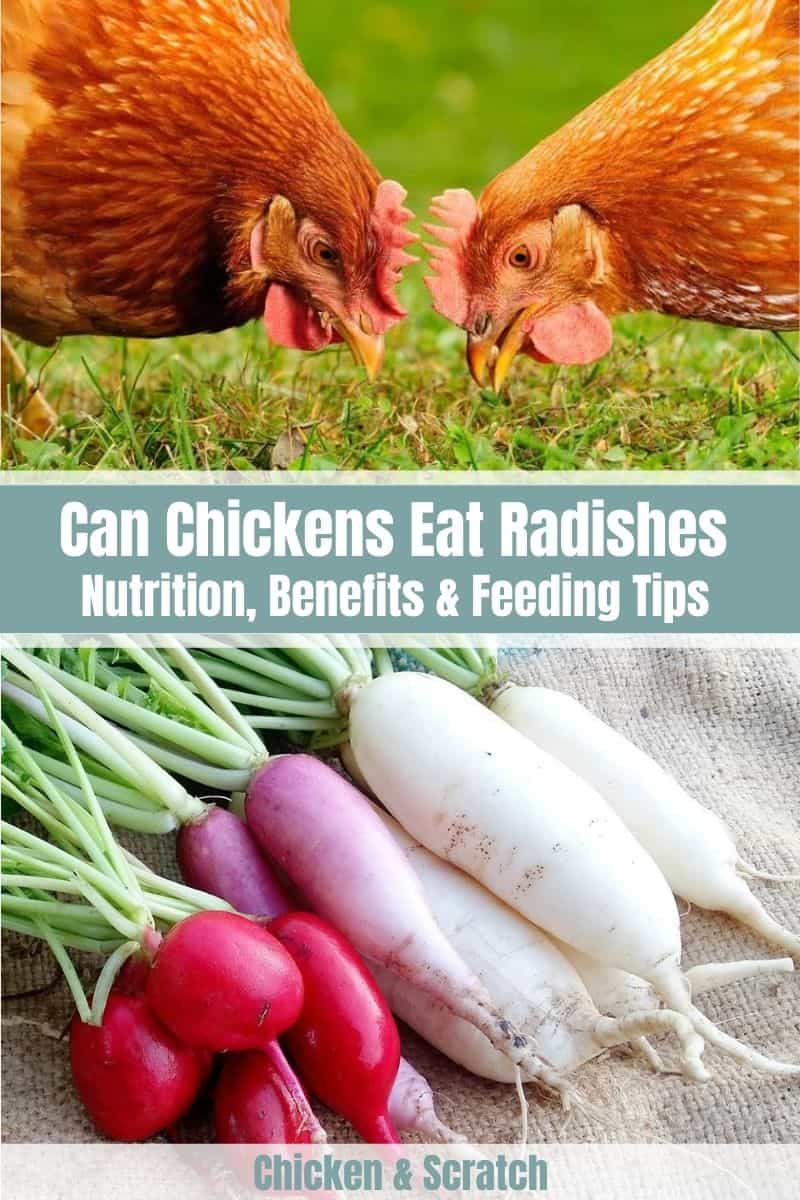
Can Chickens Eat Horseradish? Safety Guide & Tips
When maintaining a backyard flock, it is common to wonder whether kitchen scraps and garden leftovers are safe to share with your birds. If you have been harvesting pungent roots from your vegetable patch, you might find yourself asking: can chickens eat horseradish? While backyard chickens are enthusiastic omnivores that will happily peck at a wide variety of weeds, vegetables, and fruits, certain plants require extra caution.

The short answer is that while small amounts of horseradish root are unlikely to kill a chicken, it is generally a bad idea to feed it to them. The intense compounds that give horseradish its fiery kick can cause significant digestive distress, irritation, and other health issues in poultry. Let us take a closer look at the biology of horseradish, how it affects chickens, and what you should feed your flock instead.
Can Chickens Eat Horseradish Safely?
Horseradish belongs to the Brassicaceae family, which also includes cabbages, broccoli, and kale—all of which are generally safe and healthy for chickens. However, horseradish is unique due to its exceptionally high concentration of volatile oils, specifically sinigrin and allyl isothiocyanate. These are the chemical defense mechanisms the plant uses to deter pests and herbivores.
When humans grate horseradish, these compounds are released, creating the familiar sinus-clearing heat. Chickens have a sensitive respiratory and digestive system. Exposing them to raw horseradish root or its potent leaves can lead to several immediate problems:
- Gastrointestinal Irritation: The extreme heat can burn and irritate a chicken's crop, esophagus, and delicate gut lining, leading to inflammation and severe discomfort.
- Respiratory Distress: The volatile vapors released by horseradish can irritate a chicken’s respiratory tract, potentially triggering coughing, wheezing, or watery eyes.
- Refusal to Eat: Most chickens are smart enough to avoid strongly pungent or bitter foods on instinct. If given raw horseradish, they will likely turn their beaks up at it.
Can Chickens Eat Horseradish Leaves?
You might wonder if the green tops of the plant are safer than the fiery root. While brassica greens are usually a poultry favorite, horseradish leaves are covered in rough textures and still contain trace amounts of the same pungent, irritating oils found in the root. If a chicken accidentally nibbles on a growing horseradish leaf in the garden, it probably will not suffer permanent harm, but harvesting and feeding the leaves as a deliberate treat should be avoided.
Video: How to Use Horseradish Leaves in Poultry – Big Feed Companies Don’t Want You to Know!
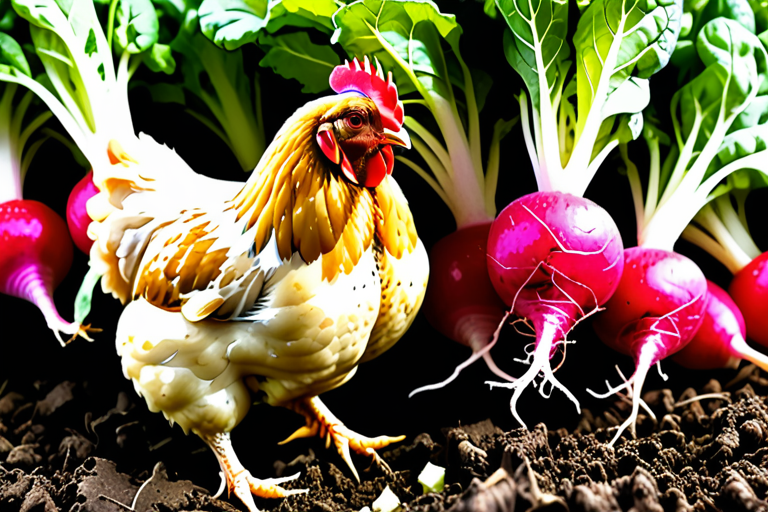
What Happens If a Chicken Eats Horseradish?
If your flock accidentally gets loose in the garden and unearths some horseradish, do not panic. Most chickens will only take a tiny peck before the intense spice overwhelms their senses, causing them to back away immediately.
However, if a bird manages to ingest a noticeable quantity of raw horseradish, you might notice symptoms such as lethargy, watery droppings, decreased egg production, or signs of abdominal pain (such as fluffing up feathers and standing hunched). In most cases, these symptoms are temporary, but you should provide plenty of fresh water and monitor the bird closely.
Safe Alternatives to Horseradish for Chickens
If you want to feed your flock healthy garden vegetables that provide great nutrition without the risk of chemical burns or severe irritation, there are plenty of fantastic options available. Instead of spicy roots, consider sharing these safe garden treats:
- Root Vegetables: Cooked carrots, sweet potatoes, and pumpkins are sweet, highly digestible, and rich in vitamins like beta-carotene.
- Brassica Greens: Kale, collard greens, cabbage, and broccoli florets offer wonderful nutrition and keep chickens happily occupied.
- Herbs: Many culinary herbs like oregano, basil, parsley, and mint are safe, aromatic, and offer natural immune-boosting properties for poultry.
- Squash and Zucchini: Soft-fleshed summer and winter squashes are easy for chickens to peck and digest.
Summary: Keep the Spice Out of the Coop
Ultimately, while backyard chickens are wonderfully resilient foragers, it is best to leave horseradish off their menu entirely. The intense volatile oils that make the root so appealing to human palates can cause painful irritation to a chicken's digestive and respiratory tracts. Stick to safe, mild fruits, vegetables, and grains to keep your flock healthy, happy, and productive.