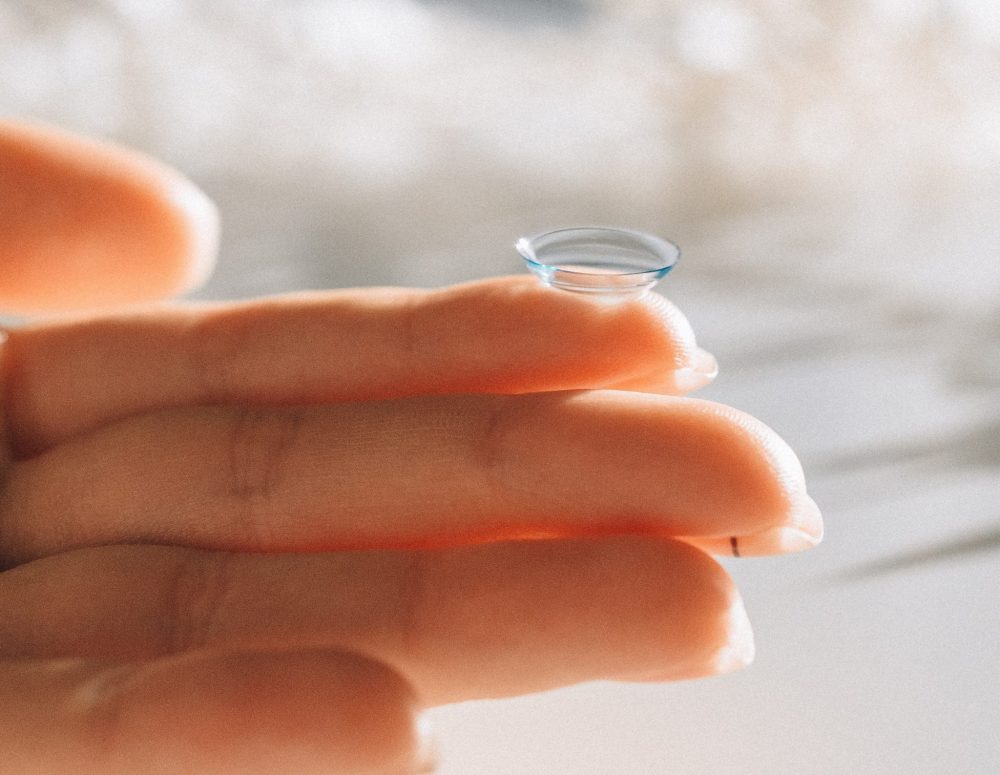
Can I Take a 20 Minute Nap With Contacts In?
You just wrapped up a long morning of work, your eyes feel heavy, and your bed is calling. You want nothing more than to close your eyes for a quick snooze. But then you remember your contact lenses. You might find yourself wondering: can i take a 20 minute nap with contacts in just this once?

It sounds harmless enough. After all, 20 minutes is barely a blip on the radar compared to sleeping through the entire night. However, when it comes to the delicate tissue of your eyes, even a short twenty-minute nap can spell trouble.
The Short Answer: No, It's Not Safe
The short, definitive answer from eye care professionals is no. Even for a quick 20-minute power nap, you should remove your contact lenses. While it might seem overly cautious, the biology of the human eye changes significantly the moment your eyelids close, creating an environment where bacteria and lack of oxygen can cause sudden problems.
What Happens When You Close Your Eyes With Contacts?
To understand why a short nap is risky, you need to understand how your eyes breathe. Unlike most tissues in your body, your corneas (the clear front surface of your eyes) do not have blood vessels. Instead, they get their oxygen directly from the air around you.
When your eyes are open, your contact lenses float on a layer of tears, allowing oxygen to pass through to the cornea. But the moment you close your eyes—even while awake—that direct supply of atmospheric oxygen drops dramatically. Your eyelids block the airflow, and your cornea relies on oxygen dissolved in your tear film and blood vessels in the inner eyelids.
The Suffocation Effect
When you add a contact lens into this equation, you place a physical barrier over the cornea. Wearing lenses while your eyes are closed restricts oxygen flow even further. During a nap, this oxygen deprivation (known as hypoxia) causes the cornea to swell slightly.
When the cornea swells, the tiny microscopic cells on its surface loosen up. This makes your eye significantly more vulnerable to microscopic trauma and microbial invasion.

Risks of Taking a 20 Minute Nap With Contacts In
You might think that 20 minutes is too short of a time for any real damage to occur, but eye infections and complications do not operate on a strict schedule. Here is what can happen during a brief nap:
- Dryness and Adhesion: Lenses tend to dry out when your eyes are closed because tear production decreases during sleep. A dry lens can stick tightly to the surface of your cornea like a tiny suction cup. When you wake up and blink or try to remove the lens, it can tear the delicate outer layer of your cornea (a corneal abrasion).
- Bacterial Breeding Ground: Warm, dark, moist environments are breeding grounds for bacteria. By trapping a contact lens against your eye while your eyelids are shut, you create an ideal incubator for pathogens like Pseudomonas aeruginosa or Acanthamoeba.
- Redness and Irritation: Waking up with bloodshot, burning, or watery eyes is a classic sign of oxygen starvation and mechanical irritation.
What If They Are Extended Wear Lenses?
Some contact lenses are specifically FDA-approved for extended wear, meaning you can sleep in them overnight. However, even with extended-wear lenses, optometrists generally advise against sleeping in them during the day unless absolutely necessary.
If you wear daily disposables or standard monthly/bi-weekly lenses, they are strictly rated for daily wear only. This means they must be removed before any period of sleep, no matter how brief.
What to Do If You Already Took a Nap With Them In
If you already dozed off with your lenses in and just woke up, don't panic, but do take immediate action:
- Do not rip them out immediately: If your eyes feel dry, forcefully pulling the lenses off can tear your cornea.
- Lubricate your eyes: Put a few drops of rewetting drops or preservative-free artificial tears into your eyes. Blink a few times to let the lenses move freely and regain their moisture.
- Remove the lenses gently: Once the lenses feel loose and mobile, take them out carefully.
- Give your eyes a break: Leave your contacts out for the rest of the day. Wear your backup glasses to let your corneas recover and reoxygenate.
- Monitor for symptoms: Pay close attention to your eyes over the next 24 hours. Seek professional medical attention if you experience severe pain, extreme light sensitivity, persistent redness, discharge, or blurry vision.
Conclusion
While skipping the lens-removal step might save you thirty seconds before falling asleep, it exposes your eyes to unnecessary risks of infection, abrasion, and hypoxia. The next time you feel the urge to drift off, take the extra moment to pop your contacts out. Your eyes will thank you for it.