Can Shops Mix Refrigerants? The Truth About HVAC & Auto AC
When an air conditioning system stops blowing cold air, vehicle owners and homeowners alike often wonder about the quick-fix solutions available on the market. A common question that arises in repair yards and HVAC service centers is whether shops can mix refrigerants to save time or money during a recharge. The short answer is an emphatic no. Professional technicians are legally and ethically bound never to combine different chemical compounds inside a closed cooling loop.

While DIY refrigerant cans sometimes market themselves as universal additives or top-off solutions, professional service providers follow strict industry regulations and thermodynamic laws. Mixing refrigerants compromises system performance, creates hazardous chemical reactions, and violates federal environmental laws.
Why Shops Can't Mix Refrigerants Safely
Air conditioning systems are meticulously engineered to operate using one specific type of refrigerant combined with a compatible lubricant. Every fluid has unique thermodynamic properties, including specific boiling points, operating pressures, and molecular structures. When these properties are altered by introducing a foreign substance, the entire mechanical system suffers.
The Dangers of Cross-Contamination
If a technician introduces a secondary refrigerant into a system designed for another, several immediate problems occur:
- Extreme Pressure Fluctuations: Different refrigerants operate at vastly different pressure levels. Mixing them can cause head pressures to skyrocket, risking catastrophic compressor failure or exploding lines.
- Lubricant Incompatibility: Refrigerants rely on specific oils (such as POE, PAG, or Mineral oil) to keep the compressor lubricated. A mismatched refrigerant may fail to carry the oil properly, causing the compressor to seize due to a lack of lubrication.
Reduced Cooling Efficiency: Blended or contaminated refrigerants rarely transfer heat effectively. Instead of cooling a home or vehicle, the system may run constantly while delivering lukewarm air.
The Environmental and Legal Consequences
In the United States, the Environmental Protection Agency (EPA) strictly regulates refrigerants under Section 608 and Section 609 of the Clean Air Act. Venting refrigerants into the atmosphere is illegal, and intentionally contaminating a virgin refrigerant supply with a mixture makes the entire batch unrecyclable.
Video: Refrigerant 101: Glide, Blends & Why You Can't Mix Refrigerants
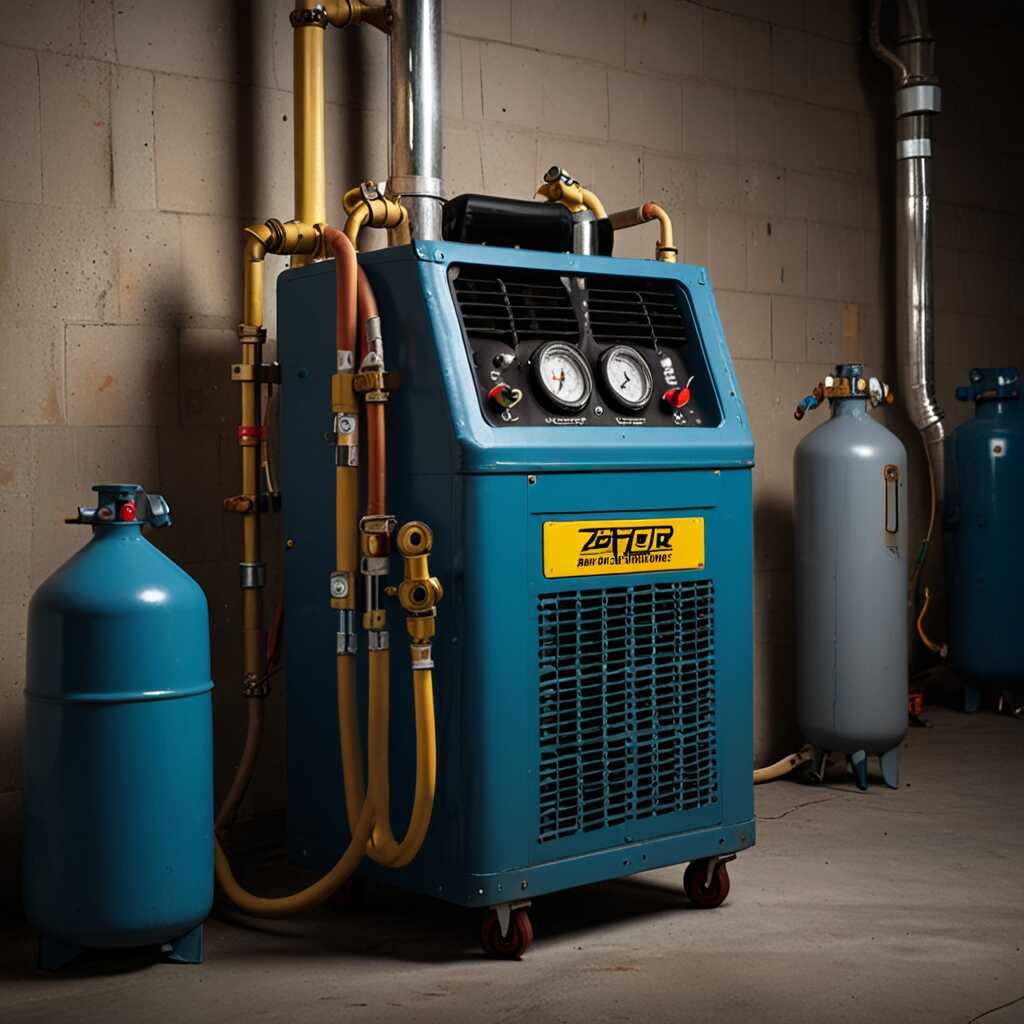
Certified shops use dedicated recovery machines for specific chemical families. If a recovery tank becomes contaminated with a mixture of refrigerants, the entire cylinder of gas becomes hazardous waste. Disposing of mixed refrigerant requires specialized, expensive destruction processes, which is why shops strictly test systems before recovery.
How Shops Handle Contaminated Systems
Despite strict rules, accidental mixing still happens—often due to DIY recharge kits sold at auto parts stores that contain sealants or alternative hydrocarbons. When a shop discovers that a customer's system contains mixed refrigerants, they must follow a rigorous remediation protocol.
- Refrigerant Identification: Before connecting any recovery equipment, technicians use an electronic refrigerant identifier to sample the gas inside the system. This tool detects purity levels and flags unwanted blends or foreign hydrocarbons.
- Quarantine and Recovery: If contamination is detected, the shop must recover the mixed gas into a designated, clearly labeled “contagious” or recovery cylinder to prevent it from ruining the shop's standard recycling equipment.
- System Flushing: Technicians must flush the entire AC loop using specialized flushing solvents and dry nitrogen to remove lingering chemical residue and degraded oil.
- Component Replacement: In severe cases of cross-contamination—especially when stop-leak additives are part of the mix—components like the filter-drier, expansion valve, and even the compressor must be replaced entirely.
Common Misconceptions About "Universal" Refrigerants
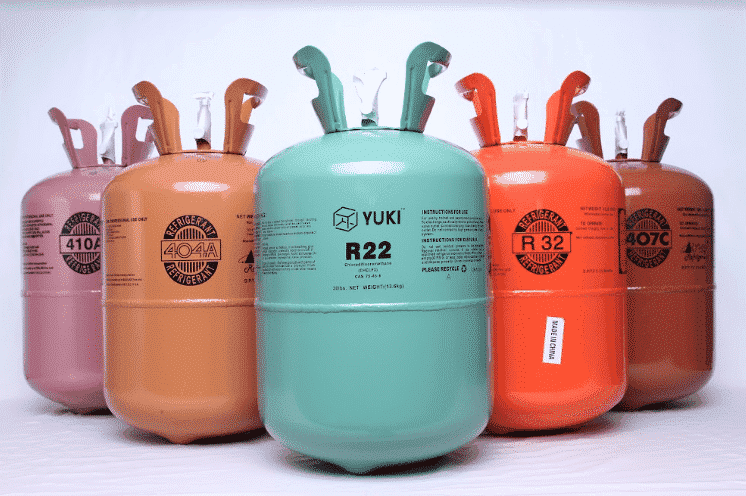
Market confusion often drives the desire to mix fluids. Consumers frequently encounter products labeled as drop-in replacements, hydrocarbon blends, or universal sealants. While some drop-in refrigerants are engineered to replace an older phased-out chemical (such as R-438A replacing R-22 in HVAC), they are never meant to be *mixed* with the old chemical.
A proper retrofit requires fully recovering the old fluid, evacuating the system, changing the oil if necessary, and charging the system from scratch with the new single-component substance. No professional shop will simply dump a new chemical on top of an old one.
Protecting Your AC System
Whether you are dealing with a sluggish home heat pump or a warm car AC, shortcuts involving chemical mixtures will always backfire. Relying on certified technicians ensures that your equipment receives the exact chemical formulation it was designed to use. Always ask for diagnostic transparency, and avoid over-the-counter mystery sealants that guarantee permanent fixes; they often ensure a much more expensive repair bill down the line.