Can You Eat Pelican Meat? Taste, Safety, & Laws
Can You Eat Pelican Meat?

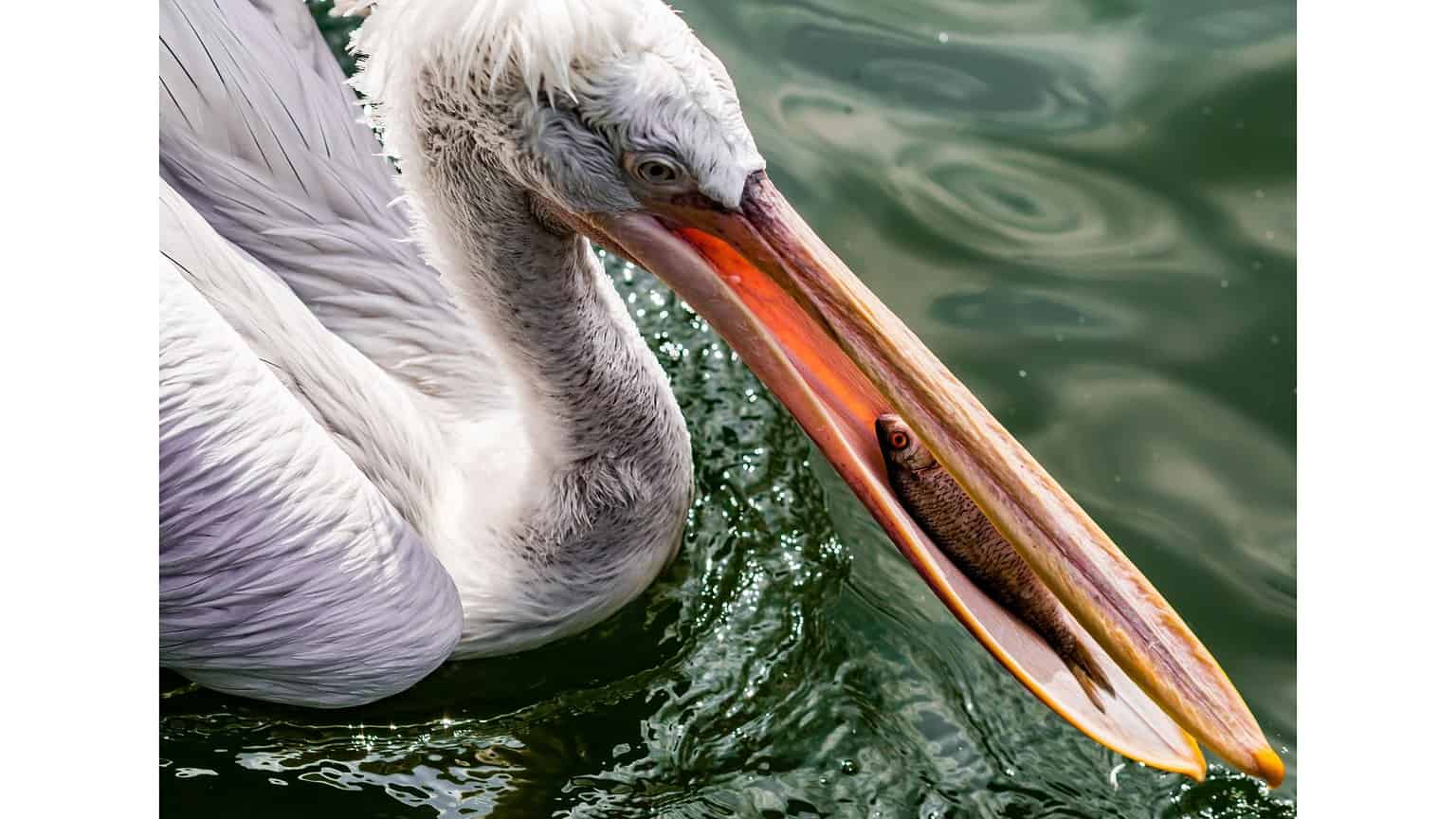
If you have ever watched a large brown or American white pelican swoop down to scoop up fish in coastal waters, you might have wondered: can you eat pelican meat? It is a natural curiosity for hunters, campers, and history buffs alike. After all, humans have hunted waterfowl for millennia.
The short answer is no, you cannot legally or safely eat pelican meat. While the flesh of a pelican is technically organic matter that can be digested, a combination of strict federal laws, unappealing culinary qualities, and major health hazards makes consuming a pelican a very bad idea.
The Legal Reality: Protected by Law
Before even considering what a pelican tastes like, you must look at the law. In the United States and many other countries, pelicans are strictly protected.
The Migratory Bird Treaty Act
In the United States, pelicans fall under the protection of the Migratory Bird Treaty Act (MBTA) of 1918. This federal law makes it illegal to hunt, capture, kill, possess, sell, or purchase native migratory birds, including their feathers, eggs, and nests, unless permitted by specific federal regulations.
Because pelicans are protected under the MBTA, shooting or eating one is a federal crime. Violating this act can result in hefty fines—often thousands of dollars—and even jail time. Similar wildlife protection laws exist in other parts of the world where pelicans reside, making poaching these birds a serious legal offense.
What Does Pelican Meat Taste Like?
Historically, indigenous peoples and early explorers occasionally consumed seabirds out of absolute necessity. However, records left behind by ornithologists and survivalists indicate that pelicans rank near the bottom of the list when it comes to table fare.
Fishy Flavor and Oil Glands
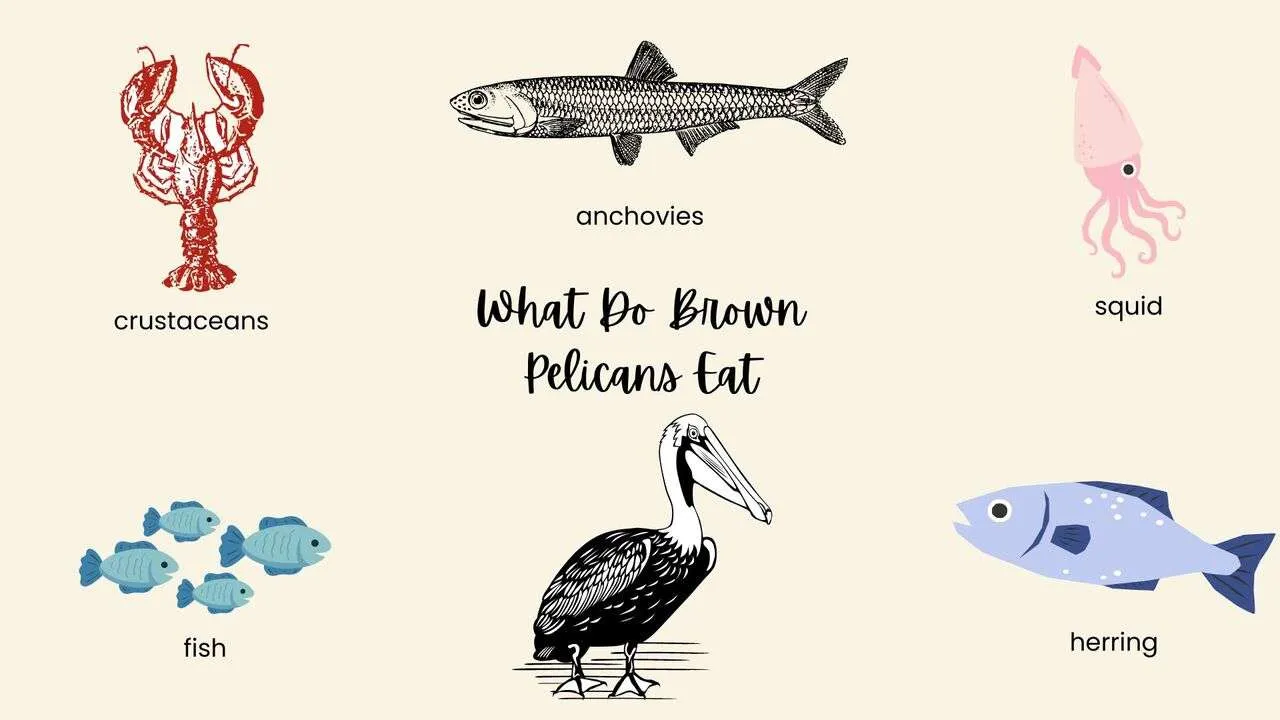
Because pelicans are piscivores—meaning their diet consists almost entirely of fish—their meat is heavily saturated with marine oils. Unlike dabbling ducks that feed on aquatic plants and grains, a pelican's diet gives its flesh an overwhelmingly oily, fishy, and gamey flavor.
The muscle tissue is dark, tough, and stringy. To make matters worse, seabirds often possess specialized uropygial (preen) glands that secrete heavy oils used to waterproof their feathers. These oils permeate the skin and meat, creating a pungent, rancid taste that is difficult to mask even with heavy seasoning or prolonged cooking.
Video: If Pelican Meat Is So Easy To Raise, Why Don't We Eat It Everywhere?

Health Risks of Eating Pelicans
Even if pelicans were legal to hunt, eating them poses severe health risks that far outweigh any potential meal.
Parasites and Pathogens
Wild birds carry a wide array of parasites. Pelicans, in particular, serve as definitive or intermediate hosts for various flukes, tapeworms, and nematodes. Eating undercooked pelican meat can transmit these parasites directly to humans.
Bioaccumulation of Toxins
Pelicans sit near the top of the aquatic food chain. As apex predators in their local ecosystems, they consume large quantities of fish that may have absorbed industrial pollutants, heavy metals (such as mercury), and agricultural runoff. Over time, these toxins accumulate in the fatty tissues and organs of the pelican. Consuming pelican meat exposes you to concentrated levels of these harmful chemicals.
Avian Diseases
Wild birds are frequent carriers of zoonotic diseases, including avian influenza (bird flu), salmonella, and West Nile virus. Handling or consuming a sick pelican puts you at risk of contracting dangerous pathogens.
Historical and Survival Context
There are rare accounts in maritime history of shipwreck survivors or starving explorers eating pelicans simply to stay alive. In a true life-or-death survival scenario, nutritional starvation supersedes taste and minor health risks. However, survival experts emphasize that even in the wild, pelicans should be an absolute last resort.
Furthermore, early American colonists and native tribes generally avoided eating pelicans unless no other game was available, preferring terrestrial mammals or smaller, vegetarian waterfowl like mallards and geese.
Conclusion
So, can you eat pelican meat? Legally, absolutely not. Ecologically, it is heavily discouraged due to conservation efforts. And culinarily, you wouldn't want to anyway. Between the tough, oily, fishy taste, the risk of heavy metal poisoning, and the protection of the Migratory Bird Treaty Act, pelicans are best admired from a distance rather than served on a plate.