Can You Take Claritin D with Ibuprofen Safely?
When allergy season hits hard or a sinus infection strikes, you might find yourself dealing with a frustrating combination of congestion, sinus pressure, and body aches. It is common to reach for multiple over-the-counter medications to find relief. However, mixing powerful medicines requires caution. If you are wondering whether you can take Claritin D with ibuprofen, it is essential to understand how these active ingredients work in your body and whether combining them is safe.
Understanding the Active Ingredients
To determine if drug combinations are safe, we must look at what is actually inside the pills. Both Claritin-D and ibuprofen are common household remedies, but they serve very different therapeutic purposes.
What is Claritin-D?
Claritin-D is a combination medication designed to treat allergy symptoms, particularly nasal congestion. It contains two active ingredients:
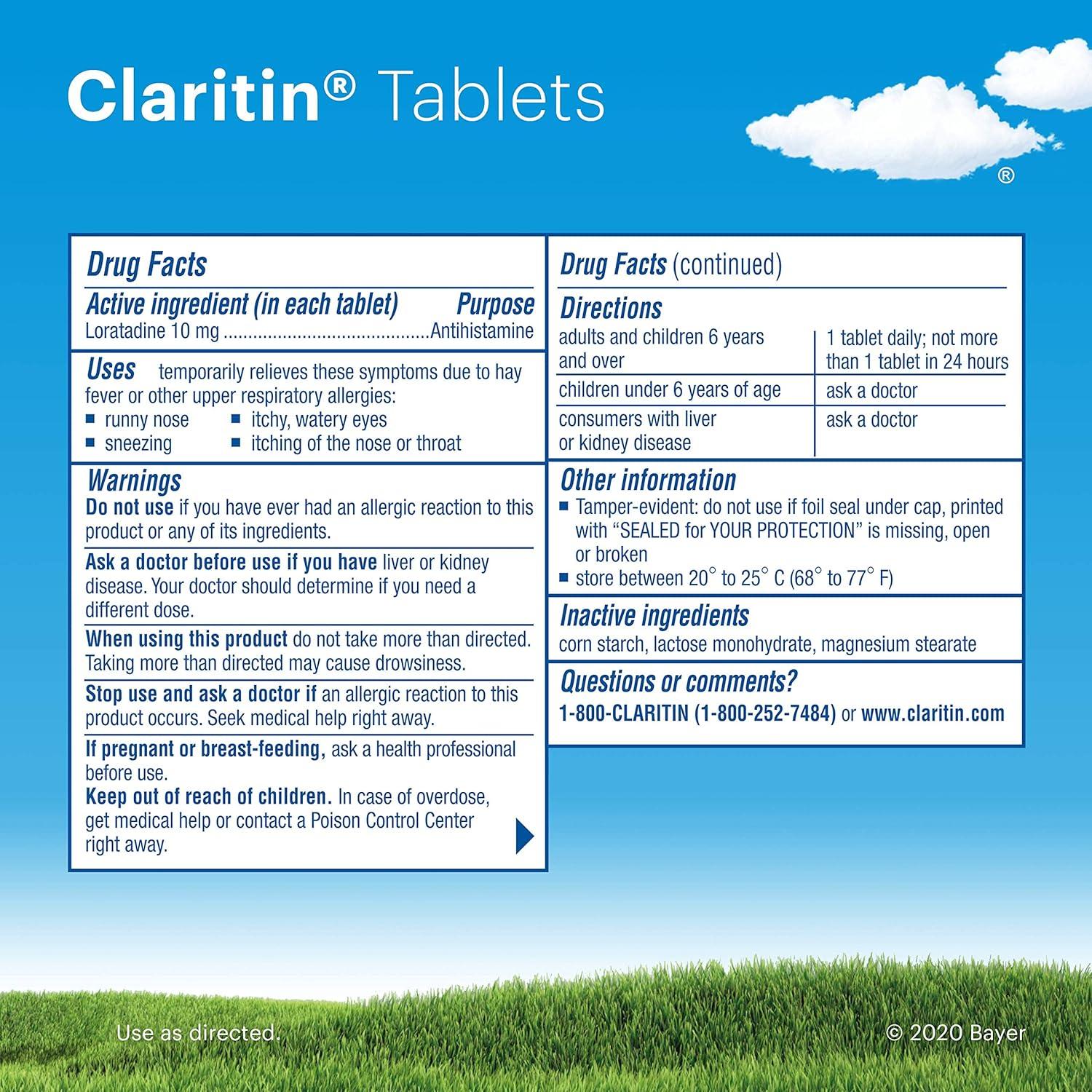
- Loratadine (10 mg): A second-generation, non-drowsy antihistamine that blocks histamine receptors to reduce sneezing, runny nose, and itchy eyes.
- Pseudoephedrine (usually 120 mg or 240 mg): A powerful nasal decongestant that constricts blood vessels in the nasal passages to reduce swelling and clear blocked sinuses.
Because pseudoephedrine acts as a stimulant to reduce swelling, it can also elevate heart rate and blood pressure in some individuals.
What is Ibuprofen?
Ibuprofen is a nonsteroidal anti-inflammatory drug (NSAID). It works by blocking the body's production of prostaglandins—chemicals that cause inflammation, pain, and fever. Common brand names include Advil and Motrin. Ibuprofen is frequently used to treat headaches, muscle aches, toothaches, and minor body pains associated with colds, flus, or sinus pressure.
Can You Take Claritin-D with Ibuprofen?
For the vast majority of healthy adults, taking Claritin D with ibuprofen is generally considered safe when used as directed on the packaging for a short duration. There is no direct, severe pharmacological contraindication between loratadine, pseudoephedrine, and ibuprofen.
However, "generally safe" does not mean risk-free for everyone. Combining these medications requires an understanding of your personal health history, underlying medical conditions, and current medications.
Potential Risks and Side Effects
Even though there is no direct chemical clash between Claritin-D and ibuprofen, taking them together can amplify certain side effects, particularly because of the pseudoephedrine component.
Increased Blood Pressure and Heart Rate
Pseudoephedrine is a vasoconstrictor and stimulant. It can raise your blood pressure and increase your heart rate. If you already suffer from hypertension, heart disease, or arrhythmias, adding pseudoephedrine to your routine can be dangerous. While ibuprofen doesn't directly counteract this, NSAIDs are also known to occasionally cause mild increases in blood pressure. Combining a stimulant decongestant with an NSAID requires careful monitoring if you have cardiovascular issues.
Stomach Irritation
Ibuprofen is well known for causing gastrointestinal side effects, including stomach upset, heartburn, and ulcers, especially when taken on an empty stomach or for extended periods. While Claritin-D typically does not irritate the stomach lining directly, taking multiple pills at once can increase overall pill burden and digestive discomfort.

Jitteriness and Insomnia
Because pseudoephedrine is a stimulant, it can cause nervousness, restlessness, and trouble sleeping (insomnia). Taking Claritin-D later in the day often disrupts sleep patterns. While ibuprofen won't cause this directly, the combined physical stimulation of feeling wired from the decongestant and ache-free from the NSAID might leave you feeling overly restless.
Who Should Avoid This Combination?
Certain individuals should strictly avoid combining Claritin-D and ibuprofen, or should consult a healthcare provider before doing so:
- People with high blood pressure (hypertension): Pseudoephedrine can cause spikes in blood pressure.
- Individuals with cardiovascular disease: Heart conditions can be exacerbated by stimulants.
- Those with kidney disease: NSAIDs like ibuprofen reduce blood flow to the kidneys, which can be harmful over time.
- People with a history of stomach ulcers or GI bleeding: Ibuprofen carries a risk of gastrointestinal bleeding.
- Men with an enlarged prostate (BPH): Pseudoephedrine can worsen urinary retention.
- Individuals taking MAO inhibitors: Combining pseudoephedrine with certain antidepressants can cause dangerously high blood pressure crises.
Safer Alternatives for Cold and Allergy Relief
If you cannot take pseudoephedrine due to high blood pressure or other health concerns, or if you want to avoid potential NSAID side effects, there are safer alternatives available.
Plain Claritin (Loratadine) or Claritin with Acetaminophen
If you need pain relief alongside your allergy medicine, consider taking standard non-drowsy Claritin (which contains only loratadine, with no decongestant) alongside acetaminophen (Tylenol) instead of ibuprofen. Acetaminophen is generally gentler on the stomach and does not carry the same cardiovascular risks as pseudoephedrine or NSAIDs.
Saline Nasal Sprays
To tackle nasal congestion without systemic side effects, saline rinses or sprays are a drug-free way to clear irritants and mucus from nasal passages.
Topical Decongestants
Oxymetazoline nasal sprays (like Afrin) provide rapid localized relief for stuffed noses, but they should only be used for three to five days consecutively to prevent rebound congestion.
When to See a Doctor
Over-the-counter medications are designed to manage mild to moderate symptoms. You should consult a physician or pharmacist if:
- Your allergy or cold symptoms last longer than 10 days without improvement.
- You experience severe sinus pain, high fever, or thick, colored nasal discharge.
- You have chronic health conditions like diabetes, thyroid disease, or glaucoma.
- You are pregnant or breastfeeding.
Conclusion
Taking Claritin-D with ibuprofen is generally acceptable for healthy individuals dealing with a combination of allergy, sinus, and pain symptoms. However, because pseudoephedrine acts as a stimulant and ibuprofen can impact blood pressure and stomach health, it is vital to read package labels carefully, monitor how your body reacts, and consult a healthcare professional or pharmacist if you have underlying medical conditions.