Can You Take Zinc with Ibuprofen Safely?
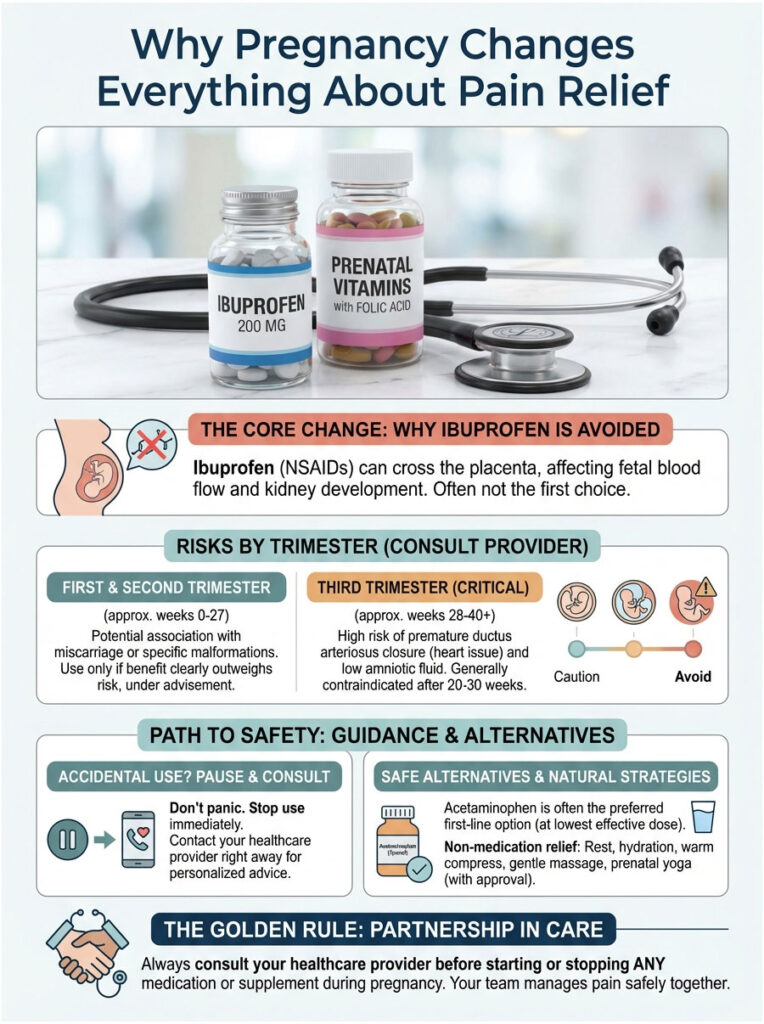
When you are dealing with a headache, muscle soreness, or a cold, it is common to reach for multiple remedies at once. Many people wonder: can you take zinc with ibuprofen without running into health complications? The short answer is yes, you can usually take them together, but you need to be mindful of how they affect your digestive system.
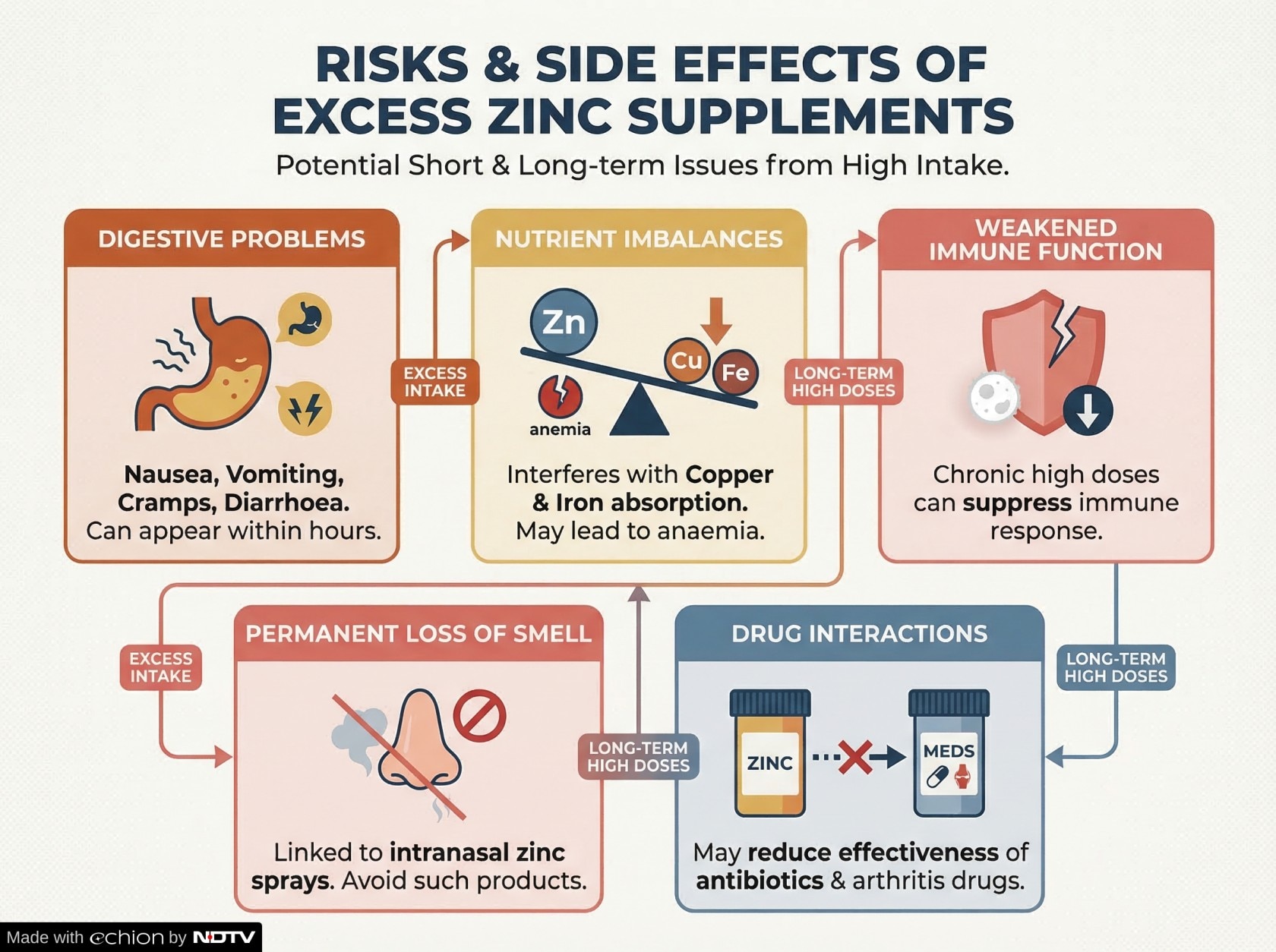
Both zinc supplements and ibuprofen have direct impacts on the stomach lining. Understanding how these two compounds interact helps you protect your digestive tract while managing your symptoms effectively.
How Zinc and Ibuprofen Interact in the Body
Neither zinc nor ibuprofen belongs to the category of drugs that trigger severe, life-threatening pharmacological clashes. They work through entirely different mechanisms in the body. Ibuprofen is a nonsteroidal anti-inflammatory drug (NSAID) used to reduce pain, fever, and inflammation. Zinc is an essential trace mineral that supports immune function, wound healing, and cellular metabolism.
However, interaction is not just about chemical neutralization; it is also about side effect profiles. The primary concern when combining these two substances relates to gastrointestinal irritation.
The Stomach Irritation Factor
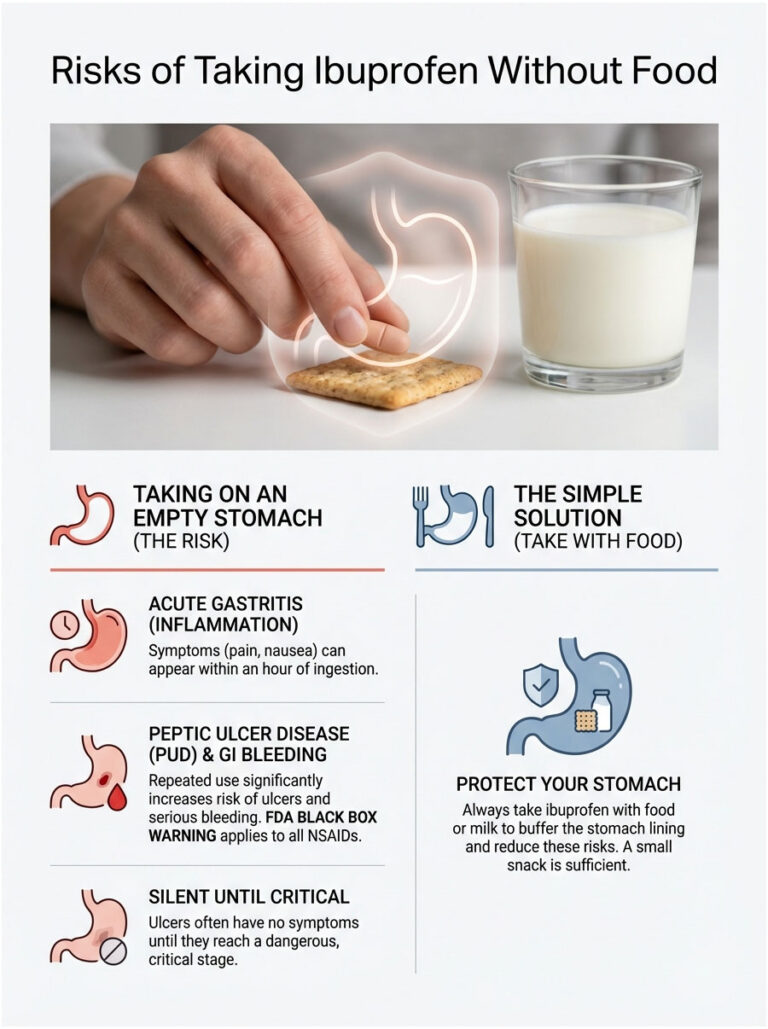
Both ibuprofen and zinc are notorious for causing stomach upset when taken on an empty stomach.
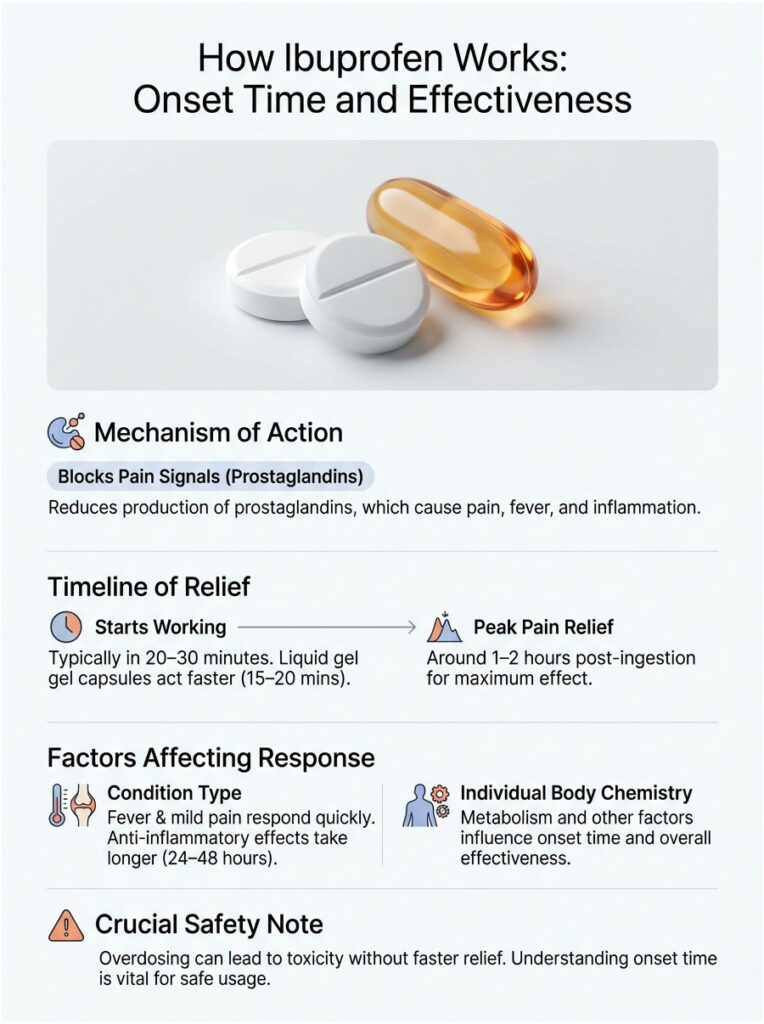
- Ibuprofen: NSAIDs work by blocking prostaglandins, which are chemicals that promote inflammation. Unfortunately, prostaglandins also protect the stomach lining from its own acids. Blocking them can lead to stomach pain, gastritis, and in severe cases, ulcers or bleeding.
- Zinc: High doses of zinc—especially zinc sulfate or zinc gluconate—frequently cause nausea, vomiting, and gastric distress. Taking zinc without food often triggers immediate stomach discomfort.
When you take zinc and ibuprofen simultaneously on an empty stomach, you double the risk of severe nausea, cramping, and acid irritation.
Potential Risks of Combining Them
While occasional, short-term co-administration is safe for most healthy adults, chronic combination or high doses introduce specific risks.
Gastrointestinal Distress
The most immediate risk is acute stomach pain. If you already have a sensitive stomach, gastritis, or a history of peptic ulcers, combining ibuprofen with zinc supplements can exacerbate these conditions. The acidity of zinc combined with the mucosal barrier reduction caused by ibuprofen creates a recipe for severe discomfort.
Long-Term NSAID Risks
Video: Can I take ibuprofen and paracetamol together? - Common Health Questions | NHS
It is worth noting that while zinc does not make ibuprofen less effective, taking ibuprofen regularly over long periods poses independent risks to your cardiovascular and renal systems. Zinc does not mitigate these long-term NSAID risks, so reliance on ibuprofen for chronic pain should always be discussed with a doctor.
How to Take Zinc and Ibuprofen Safely
If you need to use both an NSAID for pain and a zinc supplement for immune support, you can minimize your risk of adverse side effects by following a few simple guidelines.
1. Take Them with Food
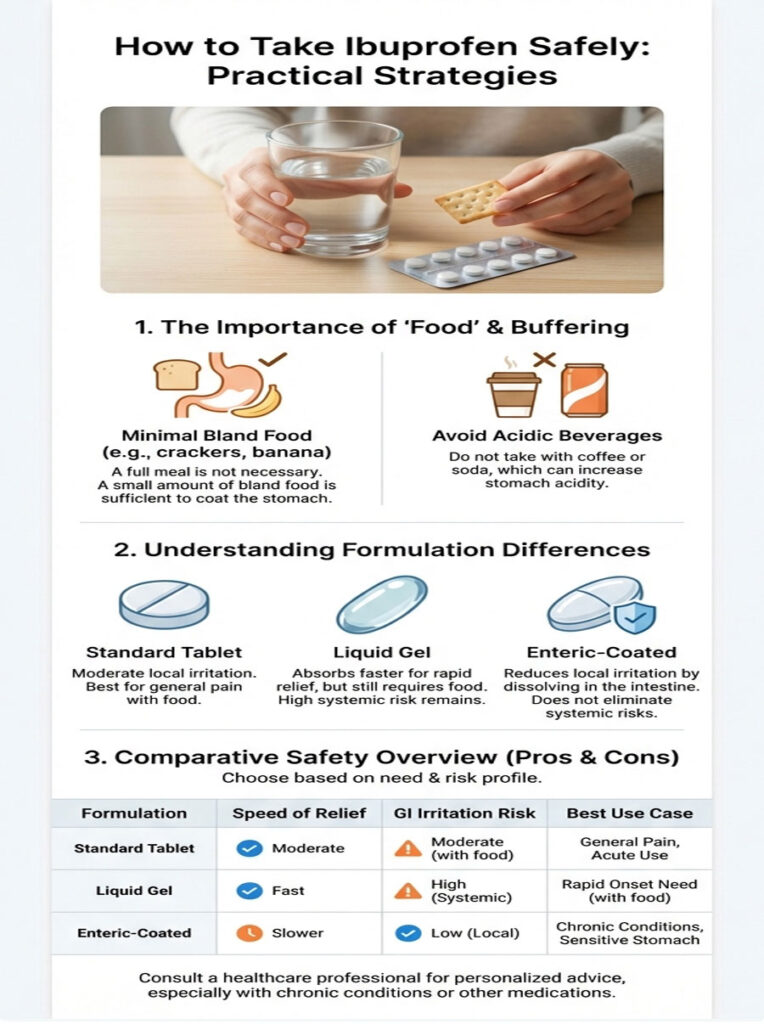
Never take zinc or ibuprofen on an empty stomach. Always consume a full meal or a substantial snack before taking either substance. Food acts as a buffer, coating the stomach lining and significantly reducing the likelihood of nausea, cramping, and acid erosion.
2. Space Out Your Doses
To be extra cautious, you can separate the timing of your supplements and medications. For example, you might take your ibuprofen after breakfast and your zinc supplement after lunch. This prevents your gastrointestinal tract from having to process peak concentrations of both irritants at the exact same time.
3. Monitor Your Dosage
Stick to recommended dosages for both items:
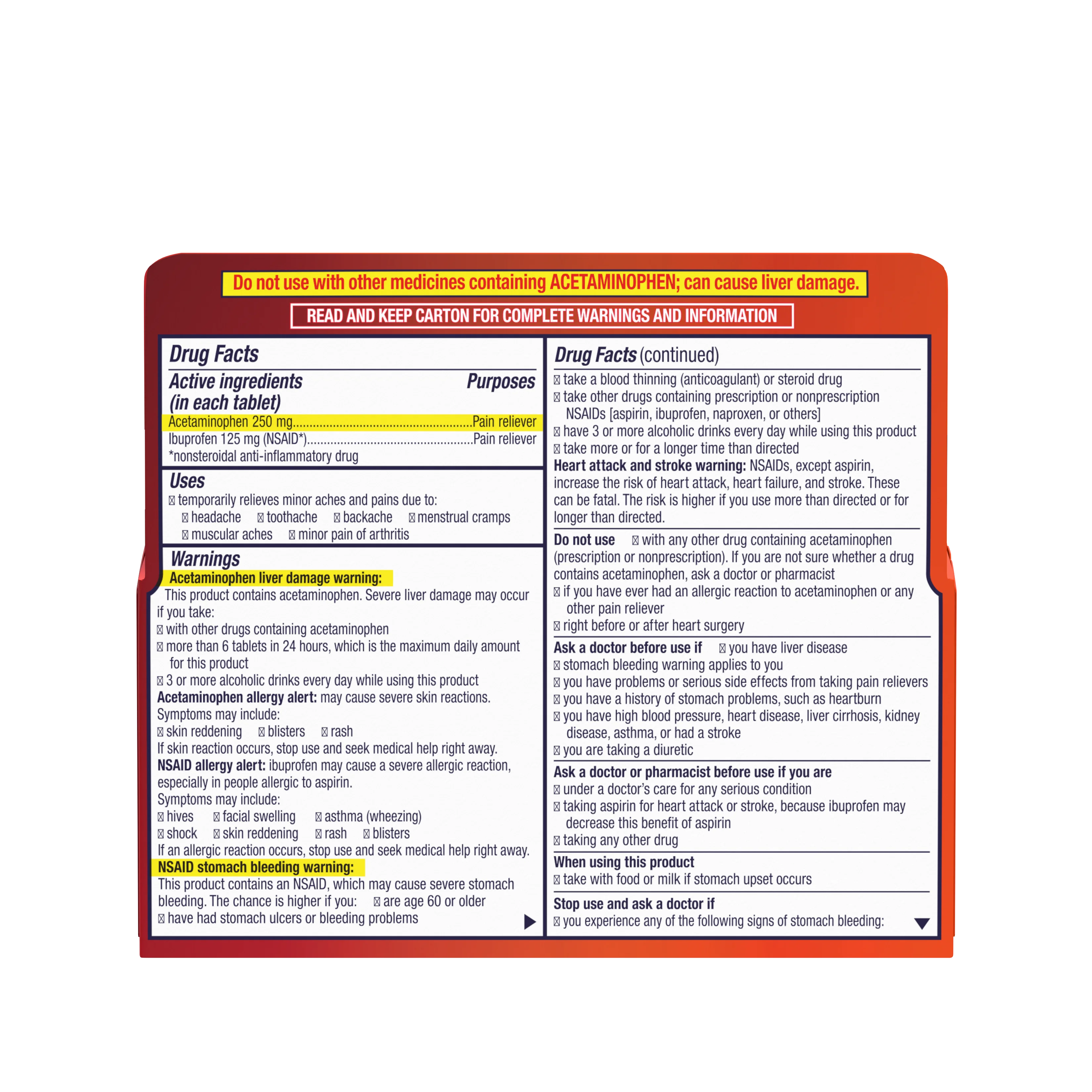
- Ibuprofen: Typically 200mg to 400mg every 4 to 6 hours, not exceeding 1,200mg per day for over-the-counter use without medical supervision.
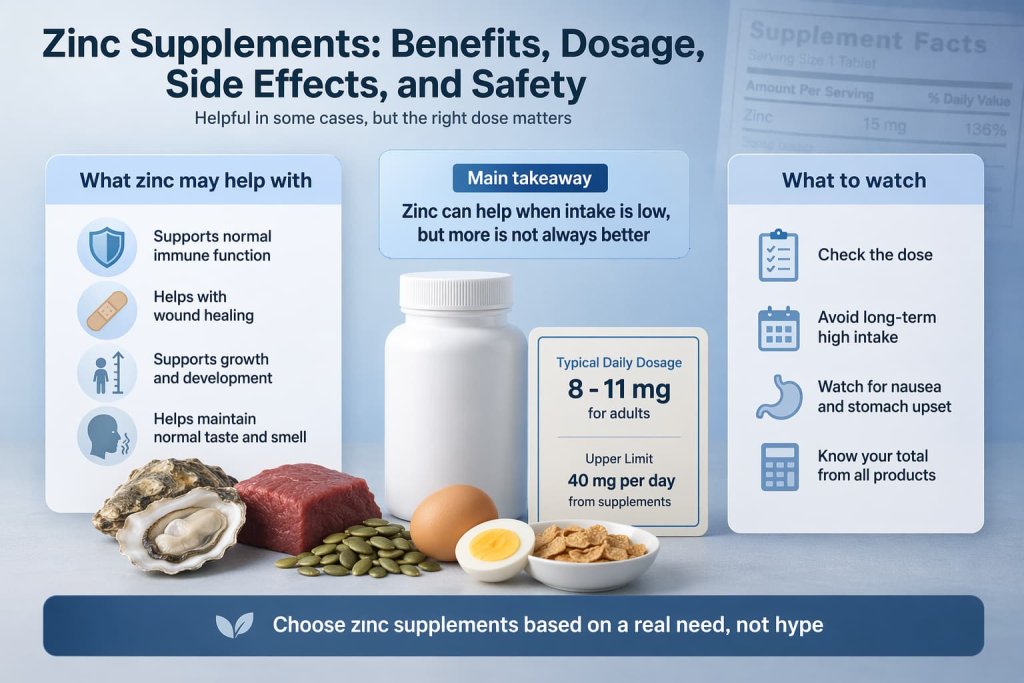
- Zinc: The recommended dietary allowance (RDA) for adults is 11 mg for men and 8 mg for women, with a tolerable upper intake level of 40 mg per day. High-dose zinc supplements (over 50 mg daily) taken long-term can cause copper deficiency and immune suppression.
When to Consult a Doctor
Most healthy individuals can manage occasional use of zinc and ibuprofen without professional intervention. However, you should consult a healthcare provider or pharmacist before combining them if:
- You have a history of stomach ulcers, Crohn's disease, or chronic gastritis.
- You take prescription blood thinners (anticoagulants), as ibuprofen increases bleeding risks.
- You take other daily medications, such as certain antibiotics or diuretics, which can interact with zinc.
- You experience persistent stomach pain, dark stools, or coffee-ground emesis after taking NSAIDs.
Conclusion
So, can you take zinc with ibuprofen? Yes, the combination is generally safe for short-term use as long as you take them with food and stay within recommended dosage limits. By protecting your stomach lining and staggering your doses if necessary, you can safely manage your pain and support your immune system at the same time. When in doubt, always speak with a pharmacist or healthcare provider tailored to your specific medical history.