Canadian Grand Prix Weather: What F1 Fans Need to Know
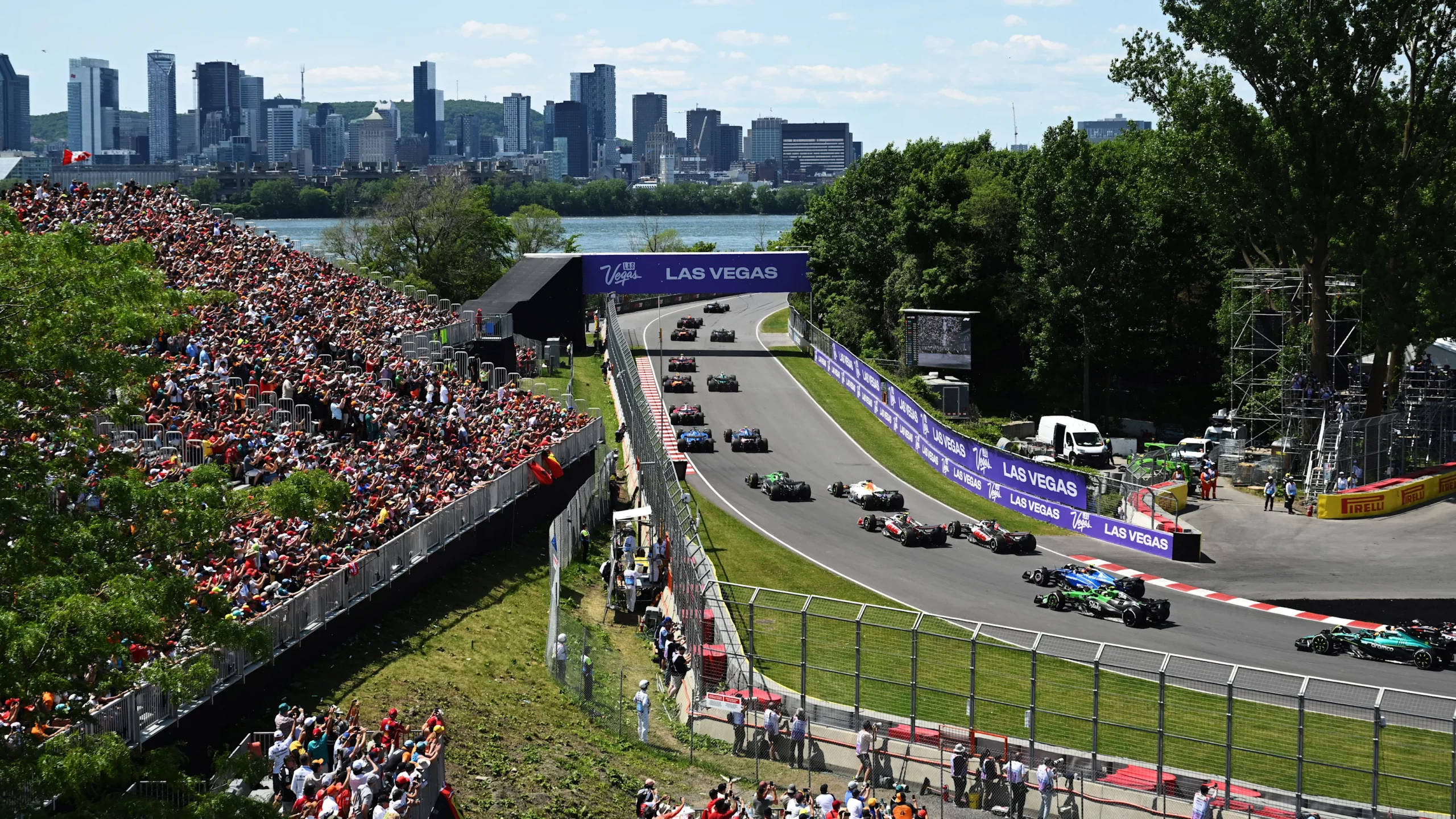
Few races on the Formula 1 calendar capture the imagination quite like Montreal. Held at the iconic Circuit Gilles Villeneuve on Île Notre-Dame, the race is a fan favorite thanks to its vibrant city atmosphere, passionate crowds, and notoriously unpredictable Canadian Grand Prix weather. June in Quebec sits right on the cusp of meteorological seasons, meaning race weekend can deliver anything from blistering summer heat to torrential downpours that completely upend race strategy.
Understanding Montreal's June Climate
To understand what to expect during race weekend, it helps to look at Montreal's broader climate patterns in early June. Situated along the St. Lawrence River, Montreal experiences a humid continental climate. This geographical positioning makes it susceptible to rapid weather shifts driven by prevailing air masses moving in from the American Midwest and the Canadian Arctic.
Historically, early June averages comfortable daytime highs around 23°C to 25°C (73°F to 77°F) and lows dipping to a crisp 13°C (55°F). However, averages can be deceiving. A stagnant high-pressure system can send temperatures soaring past 30°C (86°F) with high humidity, while a sudden cold front can plunge temperatures and bring persistent, chilly rain.
Historical Weather Trends at Circuit Gilles Villeneuve
The history of the Canadian Grand Prix is inextricably linked with dramatic weather events. The track has played host to some of the wettest, wildest races in Formula 1 history, most notably the legendary 2011 race—the longest in F1 history—which featured a massive red flag due to torrential rain and lasted over four hours.
When analyzing historical trends for Canadian Grand Prix weather, a few key patterns emerge:
- High Variability: It is entirely common to experience four distinct seasons over the course of a single three-day race weekend. Friday practice might be scorching, Saturday qualifying soaked, and Sunday's main race mild and dry.
- The Microclimate Effect: Because Circuit Gilles Villeneuve is situated on an island surrounded by the St. Lawrence River, local humidity can be high, and wind gusts can sweep across the open areas of the track, affecting aerodynamic setups.
- Sudden Thunderstorms: Late-spring convective storms are common in Montreal. These storms often develop rapidly in the afternoon, bringing heavy downpours, lightning, and gusty winds that can catch teams and fans off guard.
- Rain Poncho: Leave the umbrella at home—many grandstands prohibit them because they block the view of spectators behind you. A durable, lightweight waterproof poncho is essential.
- Layered Clothing: Mornings on the island can be cool, afternoons hot, and evenings breezy if you stay for downtown festivities. Dress in breathable layers you can easily add or remove.
- Sun Protection: When the sun does break through the Montreal clouds, it can be intense. Pack high-SPF sunscreen, polarized sunglasses, and a cap or bucket hat.
- Sturdy Footwear: The walk from the metro station across the bridge to the circuit is long, and if it rains, areas around the track can become muddy. Wear comfortable, broken-in walking shoes that you don't mind getting wet or dusty.
Impact on Race Strategy and Performance
Weather isn't just a fan experience issue; it is the ultimate equalizer for Formula 1 teams. When tracking Canadian Grand Prix weather, engineers and strategists look closely at track temperature and precipitation risk to make split-second decisions.
Video: Race Highlights | 2024 Canadian Grand Prix
Track Temperatures
Asphalt temperatures at Circuit Gilles Villeneuve can fluctuate wildly. On a sunny June afternoon, the track surface can heat up significantly faster than the ambient air, reaching upwards of 40°C to 45°C. This high heat accelerates tyre degradation, forcing teams to lean toward multi-stop strategies and carefully manage tyre temperatures during long stints. Conversely, an overcast or rainy day drops track temperatures drastically, making it difficult to switch on intermediate or full wet tyres.
The Safety Car Factor
The combination of Montreal's concrete barrier-lined layout (famous for the 'Wall of Champions') and wet weather creates a high probability of Safety Car deployments. Strategic race wins in Montreal are often decided by timing pit stops perfectly under Safety Car conditions just as a sudden downpour hits or stops.
How F1 Fans Should Prepare for the Elements
If you are heading to Île Notre-Dame to watch the race live, preparation is the key to an enjoyable weekend. Because Canadian Grand Prix weather is notoriously fickle, packing the right gear can make the difference between a miserable weekend and an unforgettable experience.
What to Pack in Your Race Bag
Conclusion: Embracing the Unpredictability
Part of the magic of Formula 1 in Montreal is that nobody ever truly knows what will happen until the lights go out. While checking the live forecast is a daily ritual for teams and fans alike, the best approach is to embrace the volatility. Whether the race is run under a blazing sun or amidst a dramatic rain-soaked deluge, Canadian Grand Prix weather guarantees a thrilling weekend of motorsport drama.