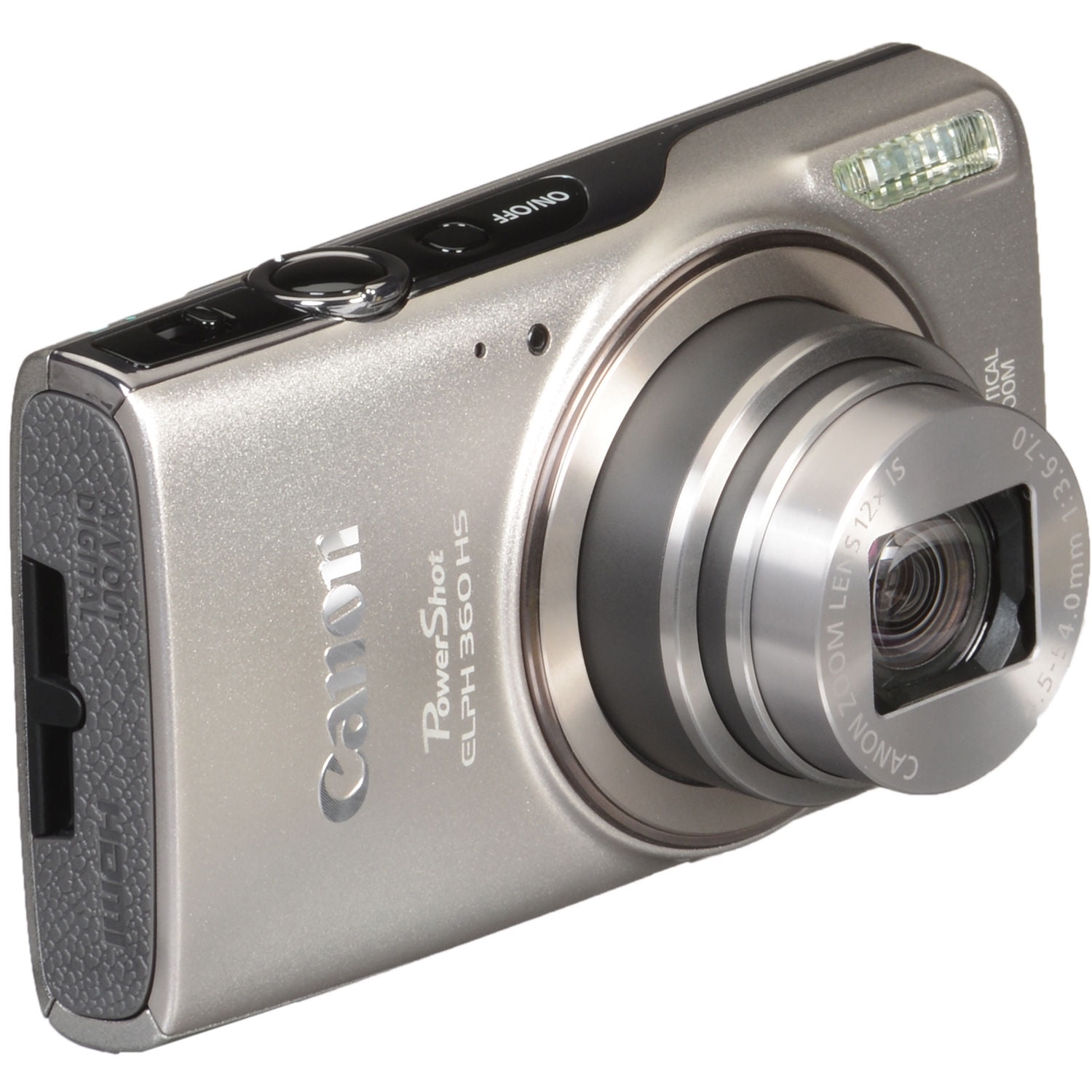
Canon PowerShot Guide: Top Models & Buying Tips
For more than two decades, the Canon PowerShot family has been a cornerstone of consumer photography. While smartphones have replaced basic point-and-shoot cameras for casual snapshots, Canon has systematically reinvented the PowerShot lineup to serve creators, travelers, and hobbyists who demand capabilities phone lenses simply cannot deliver. From large 1-inch sensors and massive optical zooms to specialized vlogging tools, today's PowerShot models offer tangible imaging advantages in remarkably compact bodies.

Whether you want to document a vacation without hauling a heavy mirrorless body, shoot crisp 4K travel vlogs, or capture distant wildlife with incredible reach, there is likely a PowerShot tailored to your workflow. This guide breaks down the current lineup, explains how to choose the right model, and evaluates whether a dedicated compact camera still deserves a place in your bag.
Understanding the Modern Canon PowerShot Lineup
Canon organizes the PowerShot family into distinct series, each engineered for specific photographic priorities. Rather than offering one-size-fits-all hardware, the brand segments the lineup by sensor size, lens reach, and physical design:
- The G Series (PowerShot G-X): Premium compacts equipped with larger 1.0-type (1-inch) image sensors, fast glass (typically f/1.8 to f/2.8), and tactile manual controls. These are aimed at enthusiasts, street photographers, and serious vloggers.
- The SX Series (Superzoom): High-zoom compact and bridge bodies designed for maximum focal range. These cameras prioritize reach over raw sensor size, packing 40x to 65x optical zoom lenses into lightweight packages.
- The V Series: Modern video-first concept cameras created from the ground up for mobile creators, solo vloggers, and live streamers.
Top Canon PowerShot Cameras Reviewed
1. Canon PowerShot G7 X Mark III: The Content Creator's Standard
The G7 X Mark III remains one of the most popular compact video cameras on the market, building directly on the legacy that made its predecessor a YouTube sensation. At its core is a 20.1-megapixel 1.0-type stacked CMOS sensor paired with Canon's DIGIC 8 processor.
Its key strength lies in video versatility: it records uncropped 4K at up to 30p, features vertical video support for social platforms, and includes a dedicated 3.5mm microphone jack—a critical feature missing from many pocket cameras. The 24-100mm equivalent f/1.8-2.8 lens delivers excellent optical quality and soft background blur for portraits. The flip-up touchscreen makes framing straightforward, whether you are vlogging on the move or snapping low-angle street shots.
2. Canon PowerShot G5 X Mark II: The Traveling Photographer's Pocket Choice
While the G7 X focuses on video, the G5 X Mark II leans decisively toward still photography. It shares the same 20.1-megapixel 1-inch stacked sensor, but extends optical reach with a versatile 24-120mm equivalent 5x zoom lens while maintaining a bright f/1.8-2.8 maximum aperture.
The standout feature is a pop-up 2.36-million-dot electronic viewfinder (EVF). In bright sunlight where LCD screens wash out, an EVF is indispensable for precise composition. The camera also includes a textured grip, ergonomic control rings, and raw burst shooting at up to 30 frames per second, making it an ideal companion for hikers and urban explorers.
3. Canon PowerShot SX70 HS: Bridging the Gap to Wildlife and Sports
If reaching distant subjects is your main priority, the PowerShot SX70 HS is an entirely different class of camera. Built in an SLR-style bridge body, it features a staggering 65x optical zoom lens, covering a 21-1365mm equivalent focal length.
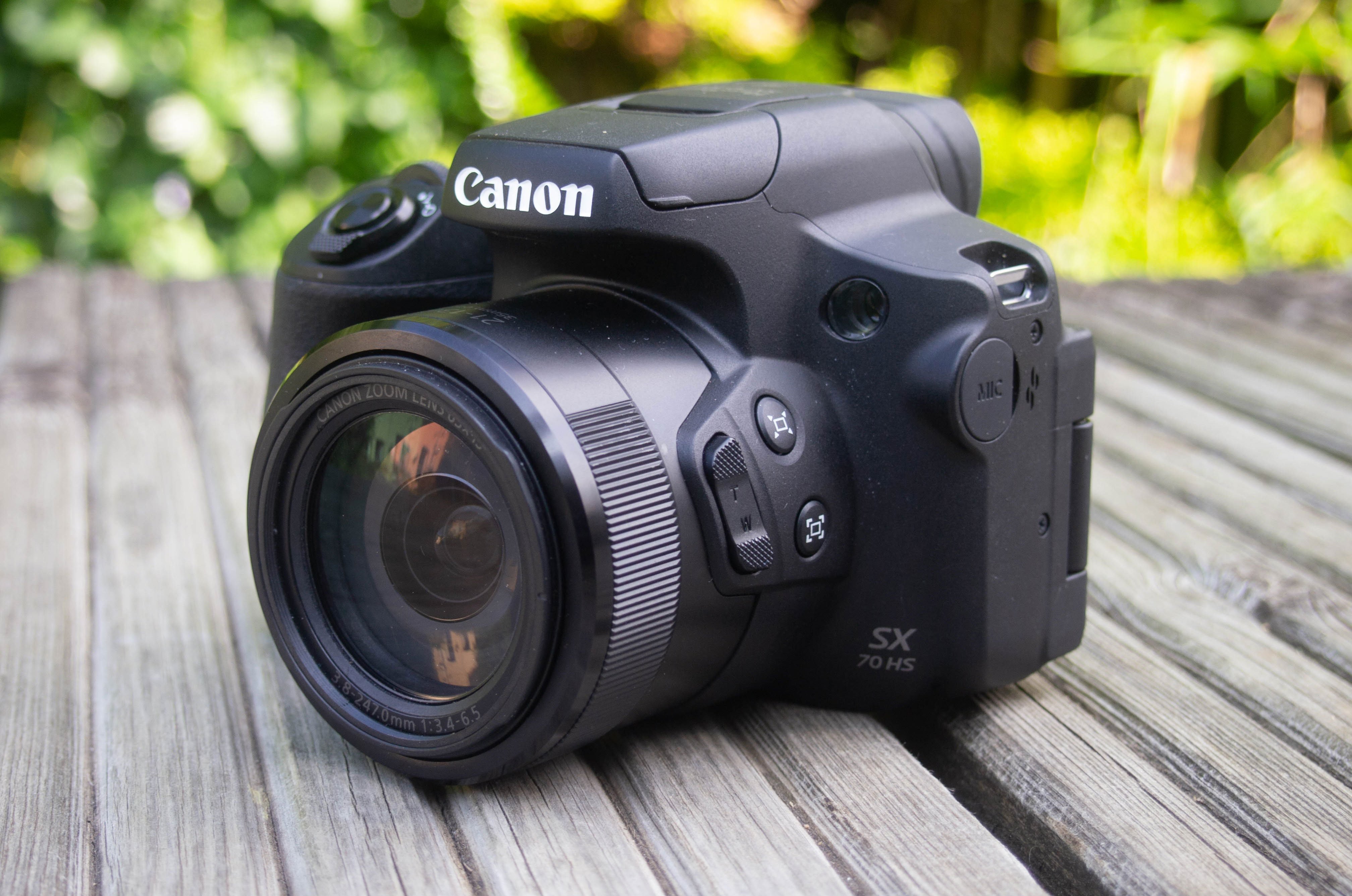
With that zoom range, you can photograph wide landscapes at 21mm and instantly zoom into birds, airplanes, or the moon at 1365mm. It uses a smaller 1/2.3-inch 20.3-megapixel sensor to make that enormous focal length physically possible, but backs it up with 5-stop Dual Sensing Image Stabilization to keep extreme telephoto shots steady. It also offers 4K video recording, RAW file support, and a fully articulating vari-angle LCD screen.
4. Canon PowerShot SX740 HS: Maximum Reach in a Pocket Footprint
For travelers who want intense zoom without the bulk of a bridge camera, the SX740 HS slips cleanly into a jacket pocket. Despite measuring just 1.6 inches thick, it incorporates a 40x optical zoom lens (24-960mm equivalent).
It records 4K video, captures up to 10 fps continuous bursts, and features a 180-degree tilting screen for group photos and selfies. While its smaller sensor requires good lighting for optimal results, the sheer utility of a 40x zoom in a pocketable device makes it a favorite for sightseeing and vacations.
5. Canon PowerShot V10: Video Innovation for the Modern Vlogger
The PowerShot V10 represents Canon's reimagining of the point-and-shoot camera for the TikTok and Reels generation. Sporting a vertical, smartphone-like body, it is designed to be operated single-handedly.
The V10 features a fixed 19mm-equivalent wide-angle lens (ideal for handheld talking-head shots), a built-in multi-angle kickstand, high-quality stereo microphones with wind filters, and simple one-touch recording. Its 1-inch sensor delivers cleaner low-light video and richer color fidelity than typical front-facing smartphone cameras.
Why Choose a Dedicated Camera Over a Smartphone?
Modern mobile phones produce remarkable images through computational photography, leading many to ask whether a standalone camera is still worth buying. While smartphones excel at quick convenience, a dedicated camera retains fundamental optical and physical advantages:
- Genuine Optical Zoom: Digital zoom on a phone degrades image resolution rapidly. Even multi-lens smartphones rely on fixed focal lengths and digital cropping in between. A camera like the SX740 HS or SX70 HS uses real glass elements to zoom smoothly across the entire range without loss of detail.
- Sensor Physics: The 1-inch sensors found in the PowerShot G-series are roughly four times larger than typical primary smartphone sensors. A larger sensor gathers more physical light, yielding superior dynamic range, smoother tonal gradations, and genuine optical depth-of-field rather than software-generated blur.
- Handling and Physical Controls: Physical shutter buttons, customizable dials, and contoured grips provide faster, more deliberate operation. Operating a camera with tactile controls is significantly more satisfying and reliable when tracking fast-moving subjects.
- Battery and Storage Independence: Using a dedicated camera spares your phone's battery life for navigation, communication, and travel logistics. Swapping a camera battery or SD card takes seconds, allowing you to shoot uninterrupted all day.
Key Factors to Consider Before Buying
To avoid spending money on features you won't use, weigh these criteria against your photography habits:
- Primary Subject Matter: If you shoot portraits, street scenes, and indoor events, prioritize a larger 1-inch sensor and wide aperture (G7 X III or G5 X II). If you photograph sports or distant wildlife outdoors, prioritize zoom reach over sensor size (SX70 HS).
- Viewfinder vs. Screen Only: If you shoot frequently in harsh outdoor sun, consider a model with an integrated electronic viewfinder like the G5 X Mark II or SX70 HS.
- Audio Requirements: If you plan to vlog or record interviews, verify whether the camera includes a 3.5mm microphone port. Built-in mics struggle in windy or noisy environments.
- Portability Needs: Bridge cameras provide enormous utility but require their own bag. Pocket zooms compromise slightly on low-light performance to remain truly travel-friendly.
Final Verdict
The Canon PowerShot family continues to thrive by focusing on capabilities that smartphones cannot replicate physically. For creators and travelers seeking professional-level control and image quality in a pocket-sized package, the PowerShot G series remains the gold standard. Meanwhile, the SX series provides unmatched telephoto reach for outdoors enthusiasts. By matching your shooting goals to the right sensor and lens combination, you can choose a camera that reliably elevates your creative work.