Car Trailers for Rent: The Ultimate Booking Guide
Car Trailers for Rent: What You Need to Know Before You Tow
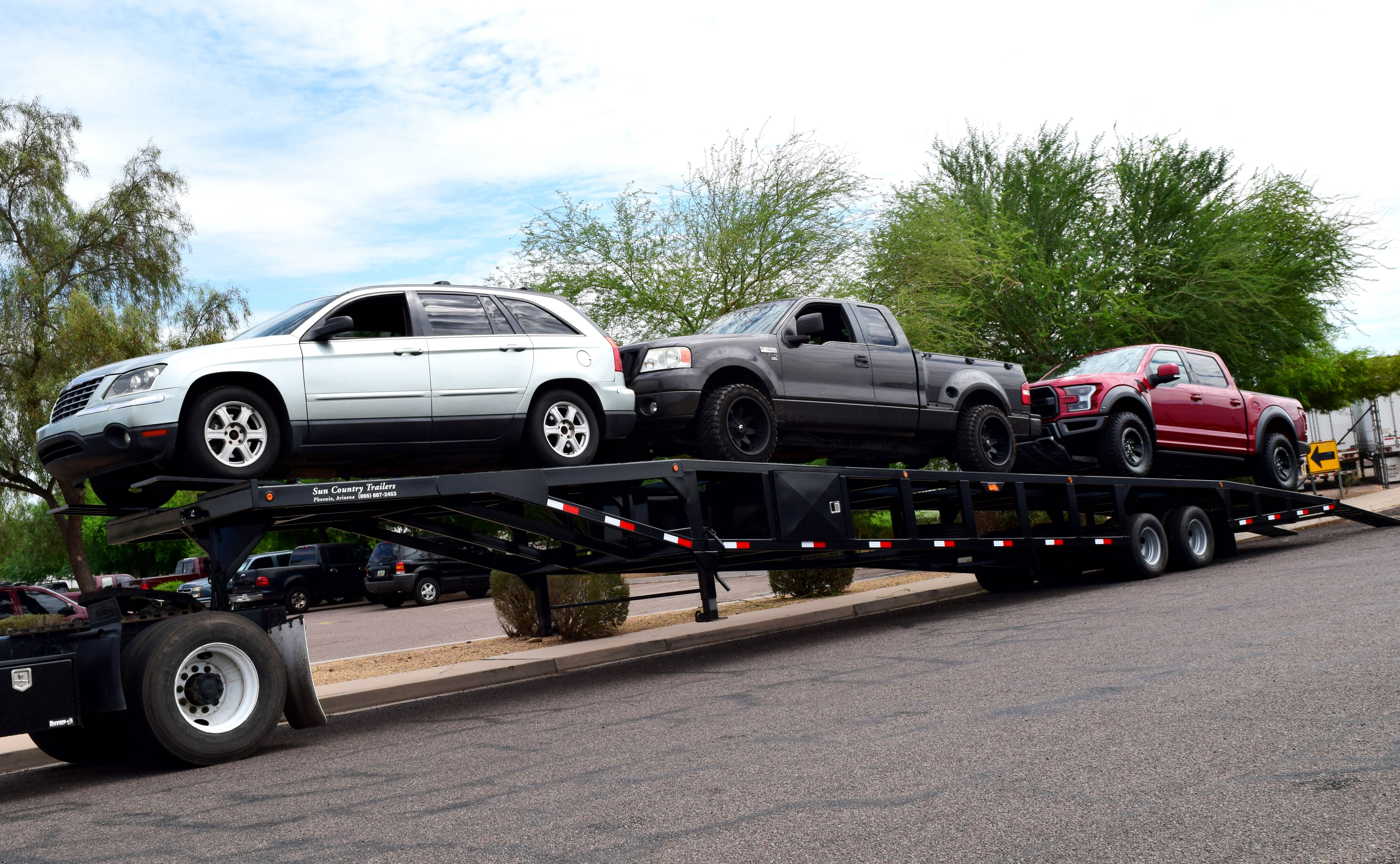
Whether you are moving across the country, buying a project car from an online auction, or taking your track car to the weekend races, finding reliable car trailers for rent is often the most practical and cost-effective transportation solution. Instead of paying hundreds or thousands of dollars for a professional auto transport service, renting a trailer allows you to handle the move on your own schedule.
However, towing a vehicle is vastly different from pulling a standard utility or luggage trailer. It requires a capable tow vehicle, proper weight distribution, and a clear understanding of how to safely load and secure a multi-thousand-pound load. This guide walks you through everything you need to know to rent, hitch, and haul a car trailer safely and efficiently.
Types of Car Trailers Available for Rent
Not all car haulers are built the same. Depending on your vehicle's condition, drivetrain, and weight, you will need to choose the appropriate trailer style from your local rental yard.
Car Dollies
A car dolly is a two-wheel trailer designed to lift the front wheels of a vehicle off the ground while the rear wheels roll behind on the pavement.
- Best for: Front-wheel-drive vehicles. All-wheel-drive or four-wheel-drive vehicles generally cannot be towed on a dolly unless the driveshaft is disconnected, as it can damage the transmission.
- Pros: Lightweight, easier to maneuver in tight spaces, and typically the cheapest option for car trailers for rent.
- Cons: Rear tires accumulate wear and tear during long-distance towing; reversing with a dolly attached is notoriously difficult for beginners.
Flatbed Car Haulers (Open Trailers)
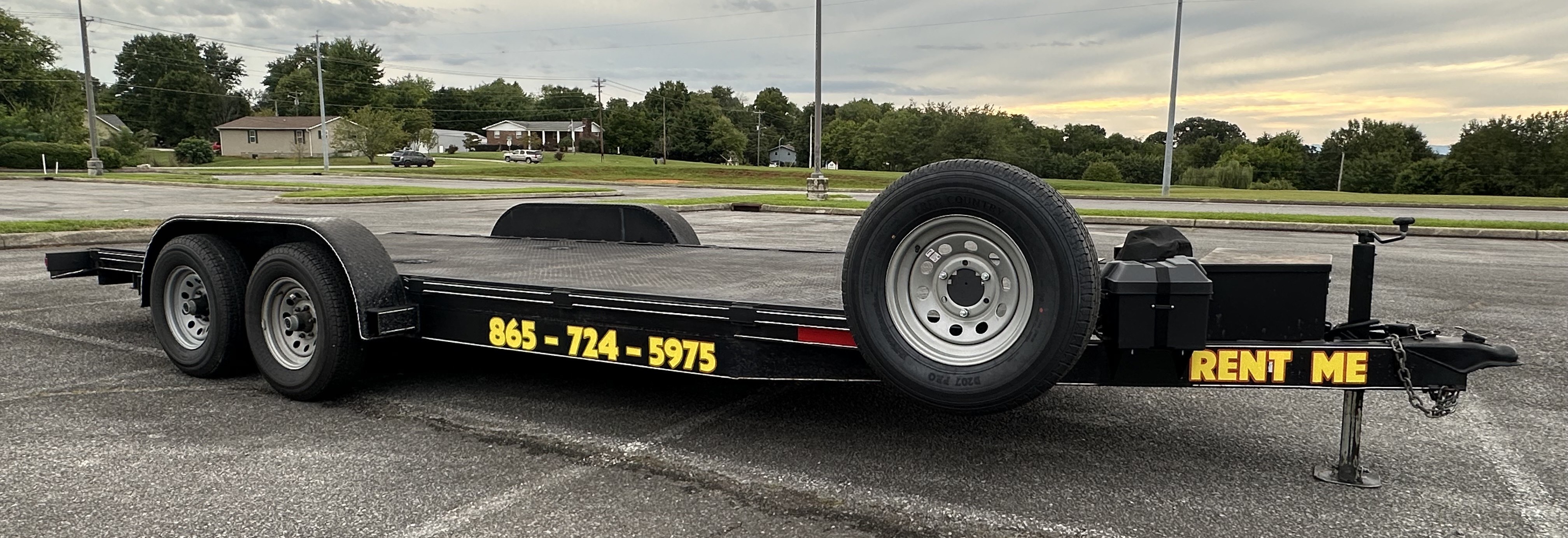
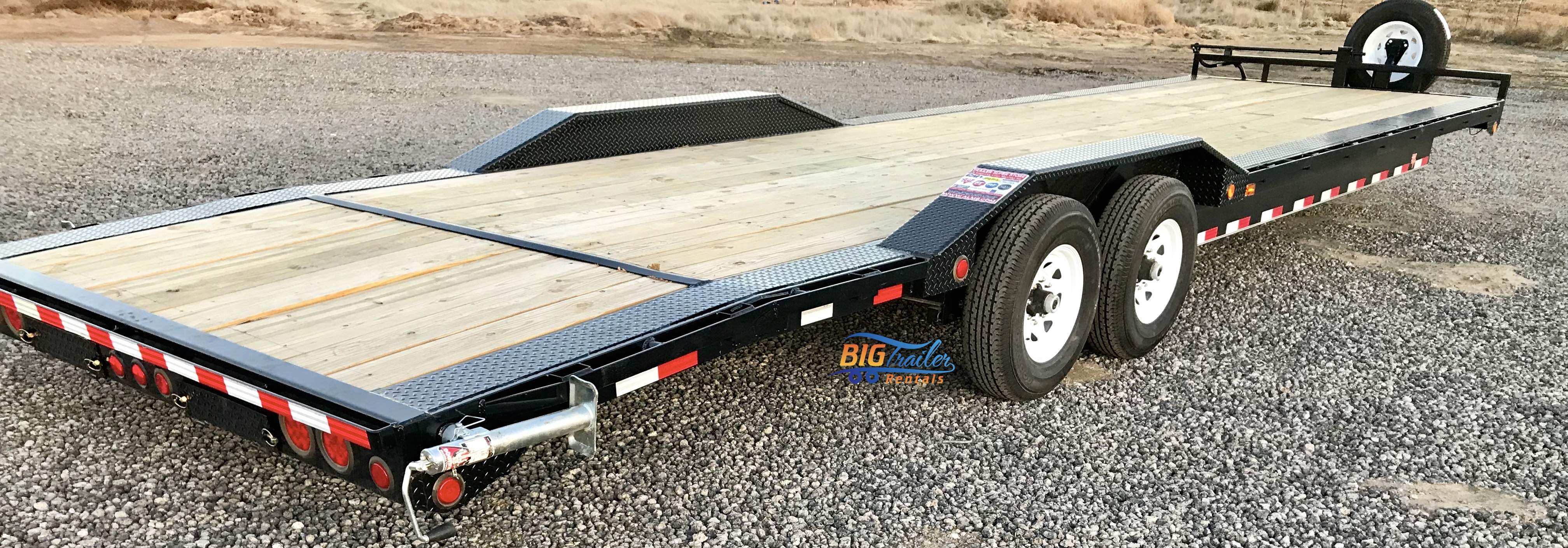
Flatbed car haulers are four-wheel open trailers with a dedicated deck that supports all four tires of the vehicle. They usually feature slide-out ramps for easy loading.
- Best for: Almost any vehicle type, including rear-wheel drive, all-wheel drive, and lower-clearance sports cars.
- Pros: All four wheels are off the ground, eliminating tire wear; extremely stable on the highway; easier to reverse than a two-wheel dolly.
Enclosed Car Trailers
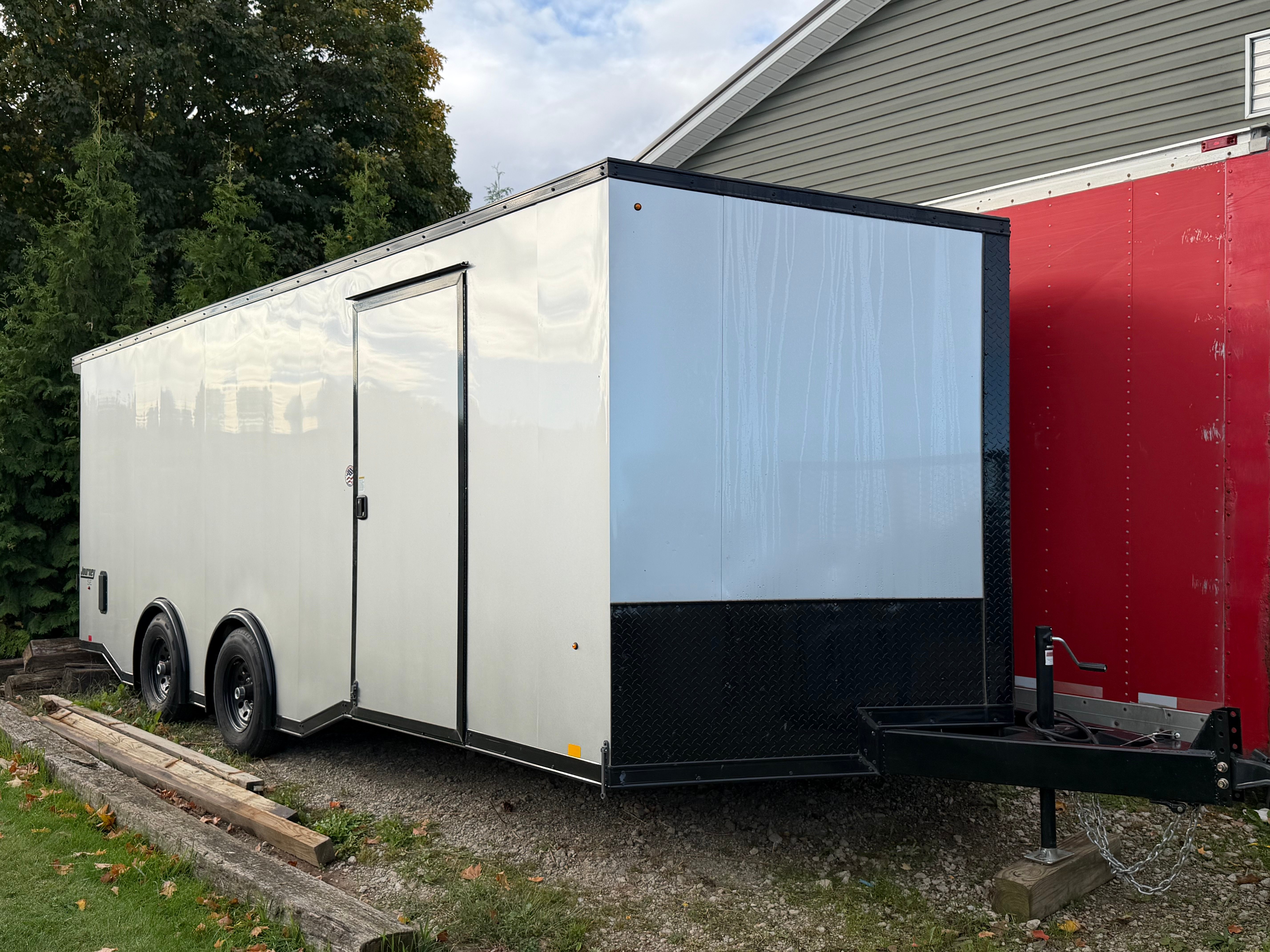
Enclosed trailers provide a fully walled and roofed structure to protect your vehicle from weather, road debris, and prying eyes.
- Best for: Luxury cars, classic vehicles, high-end sports cars, and moving personal belongings alongside your vehicle.
- Pros: Maximum protection against weather and stone chips; offers secure storage for spare parts or tools inside the trailer.
- Cons: Significantly heavier, creates more wind resistance (lowering your tow vehicle's fuel economy), and much harder to find at standard local rental yards.
Understanding Towing Capacity and Vehicle Requirements
Video: The BEST TRAILER to start renting! | My top two trailer picks to get started | Trailer Hustle

Before you browse car trailers for rent, you must verify that your tow vehicle is actually up to the task. Hooking a heavy trailer to an undersized SUV or crossover is a recipe for transmission failure, brake failure, and severe safety hazards.
Gross Vehicle Weight Rating (GVWR)
Every tow vehicle has a maximum towing capacity specified by the manufacturer. To calculate your needs, add the weight of the empty rental trailer (usually 1,500 to 2,500 pounds for an open flatbed) to the weight of the car you plan to load. The total must comfortably fall below your vehicle's maximum towing capacity.
Hitch Class and Wiring
You cannot tow a car trailer with a standard bumper-mounted ball. You will need a proper frame-mounted receiver hitch:
- Class III or Class IV Hitch: Required for virtually all car haulers. These use a standard 2-inch or 2-5/16-inch receiver tube.
- Trailer Brakes: Most open car trailers feature either surge brakes (which activate automatically when the tow vehicle decelerates) or electric brakes. Ensure your tow vehicle is equipped with a 7-way round blade connector and, if necessary, an in-cab brake controller to operate electric brakes.
Average Costs for Car Trailer Rentals
Rental rates vary depending on your location, the rental company, and the duration of your trip. On average, you can expect the following pricing structure:
- Daily Rates: Local rentals usually range from $50 to $100 per day for a basic open car trailer or dolly. Enclosed trailers can cost $150 to $300+ per day.
- One-Way Rentals: If you are moving long-distance, companies like U-Haul allow one-way rentals. However, these rates are often flat-fee based on distance and can range from $300 to over $1,000 depending on the mileage.
- Additional Fees: Remember to factor in potential add-ons such as damage protection plans, tie-down strap rentals, and state taxes.
Step-by-Step Guide to Loading and Securing Your Car
Once you have secured your rental trailer, the loading process requires patience, precision, and safety gear.
- Position the Trailer: Park your tow vehicle and trailer on flat, level ground in a straight line. Reversing in a straight line before loading makes the process much simpler.
- Lower the Ramps: Extend and lock the loading ramps into place. Ensure they line up correctly with the vehicle's track width.
- Load Slowly: If driving the car onto the trailer, have a spotter guide you up the ramps at a very low speed. Avoid stopping midway on the ramps. If the car is inoperable, use a properly rated electric winch or a hand-crank winch to pull it up.
- Secure the Vehicle: Use heavy-duty ratchet straps or professional wheel nets designed for car haulers. Strap down all four wheels rather than just the frame, as strapping the suspension allows the car to bounce and potentially loosen the lines during transit.
- Cross the Safety Chains: Connect the trailer's safety chains to your tow vehicle in an 'X' pattern underneath the tongue to catch the trailer in the event of a hitch failure.
Tips for a Safe Drive
Towing alters your vehicle's handling characteristics drastically. Keep these best practices in mind on the road:
- Increase Following Distance: Give yourself at least double the normal braking distance between you and the vehicle ahead.
- Take Wide Turns: Trailers cut corners shorter than your tow vehicle. Swing slightly wider when turning right or left to avoid clipping curbs or signs.
- Check Your Load: Pull over after the first 10 to 15 miles of driving to inspect your tie-down straps, safety chains, and tire pressure. Recheck them at every fuel stop.
By understanding your vehicle's limits, selecting the right equipment, and taking your time on the road, renting a car trailer can be a stress-free and economical way to move any vehicle from point A to point B.