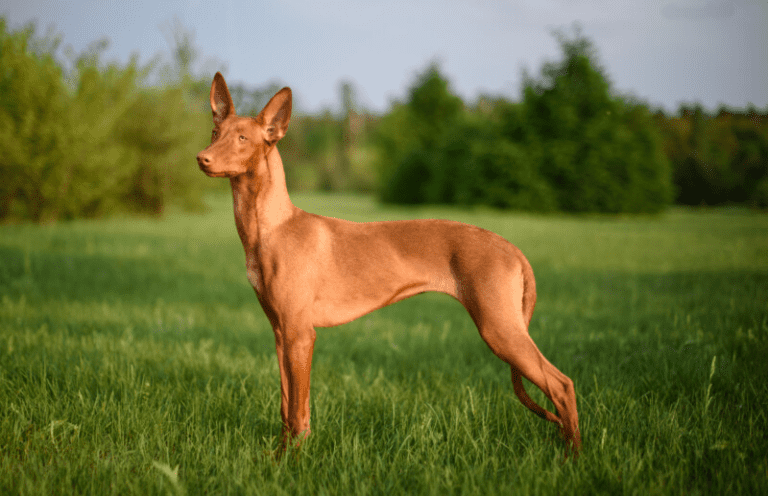
Caring for a Slim Ebony Doggy: Nutrition & Care
Introduction to the Sleek Canine Companion

Sharing your life with a sleek, athletic canine is a wonderful experience. Whether your pup is a graceful Greyhound, a nimble Lurcher, a slender Doberman mix, or simply a fine-boned black rescue, owning a slim ebony doggy comes with unique joys and specific responsibilities. Dark-coated, slender dogs often have distinct needs regarding temperature regulation, skin health, and energy management. In this guide, we will explore how to keep your fine-boned black dog healthy, happy, and shining from nose to tail.
Understanding the Anatomy of a Slim Ebony Doggy
When people see a naturally slender dog, they sometimes worry about underfeeding. However, many athletic and sighthound-type breeds are genetically built to be lean. Knowing the difference between a healthy, athletic frame and an underweight dog is the first step in proper care.
Healthy Weight vs. Underweight
A healthy slim dog should have an easily palpable ribcage with a minimal covering of fat, a distinct waist when viewed from above, and a clear abdominal tuck when viewed from the side. If the hip bones and lumbar vertebrae are sharply protruding, your dog may need a caloric adjustment. Always consult your veterinarian to establish the ideal baseline weight for your specific mix or breed.
Coat Characteristics of Dark Dogs
Black fur absorbs more sunlight than lighter coats, which can make dark dogs prone to overheating in warm weather. Additionally, black coats can sometimes fade to a reddish-brown hue (known as "rusting") due to sun exposure, amino acid deficiencies, or genetics. Protecting your dog’s skin and coat requires a targeted approach to grooming and diet.
Optimal Nutrition for Lean Athletic Dogs
Slender dogs with high-energy frames burn calories efficiently. They need nutrient-dense food that supports lean muscle mass without adding unnecessary bulk or straining their digestive systems.
- High-Quality Protein: Look for dog foods where real meat (such as chicken, beef, lamb, or fish) is the first ingredient. Protein is essential for maintaining strong, lean muscles.
- Healthy Fats: Omega-3 and Omega-6 fatty acids are crucial for maintaining a glossy, vibrant black coat. Ingredients like salmon oil, flaxseed, and chicken fat nourish the skin and prevent dullness.
- Complex Carbohydrates: Active lean dogs need sustained energy. Sweet potatoes, brown rice, and oats provide steady carbohydrates without causing blood sugar spikes.
Because slender dogs have less body fat to act as insulation, they may require slightly larger food portions during cold winter months to maintain their internal temperature and body weight.
Grooming and Coat Maintenance

That striking, midnight-black coat requires regular maintenance to stay glossy and healthy. Fortunately, most slim black dogs have short or medium coats that are relatively easy to manage compared to long-haired breeds.
- Regular Brushing: Use a soft-bristle brush or a rubber curry brush weekly to remove loose hairs and distribute natural skin oils. This keeps the ebony coat gleaming.
- Bathing with Care: Only bathe your dog when necessary (typically every 4 to 6 weeks) using a moisturizing, color-enhancing shampoo formulated for dark coats. Avoid harsh detergents that can dry out the skin.
- Sun Protection: Just like humans, black-coated dogs can get sunburned, especially around the nose, belly, and areas with thinner hair. Limit peak-sun exposure and ask your vet about pet-safe sunscreen if your dog loves sunbathing.
Exercise and Mental Stimulation
Slender, athletic dogs are built for movement. Whether your dog loves sprinting in a fenced-in yard or going on long, brisk walks, regular physical activity is non-negotiable for their physical and mental well-being.
Tailoring Exercise to Build Lean Muscle
Focus on activities that encourage steady movement. Fetch, agility training, and controlled off-leash running are fantastic for building functional muscle. Because lean dogs have less padding over their joints, ensure they exercise on forgiving surfaces like grass, dirt trails, or sand rather than hard concrete whenever possible.
Keeping Them Warm During Activity
If you live in a colder climate, your slim companion will likely need a fitted canine winter coat or sweater during outdoor activities. Without body fat to keep them warm, lean dogs can become chilled very quickly, which dampens their enthusiasm for exercise and can compromise their immune health.
Health Considerations for Dark, Slender Breeds
While every dog is an individual, slender dark dogs share certain physiological traits that owners should monitor:
- Heat Sensitivity: Dark fur absorbs heat rapidly. Always provide ample fresh water, shade, and air-conditioned rest spots during hot summer days. Avoid strenuous exercise during peak afternoon temperatures.
- Joint Care: Athletic dogs put high impact on their joints. Incorporating joint supplements containing glucosamine, chondroitin, and MSM early in life can support long-term mobility.
- Skin Health: Black fur makes it easier to spot ticks and fleas, but harder at times to notice early-stage skin rashes or dry patches. Routine grooming sessions double as great health checks.
Conclusion
Caring for a slim ebony doggy is a rewarding journey that combines proper nutrition, thoughtful grooming, and plenty of athletic outlets. By understanding their unique anatomical and physiological needs—from managing heat absorption in their dark coats to providing calorie-dense food for their lean frames—you can ensure your sleek companion lives a long, vibrant, and joyful life by your side.