Carnegie Mellon University: Admissions, Programs & Guide
Founded in 1900 by industrialist and philanthropist Andrew Carnegie, Carnegie Mellon University (CMU) has evolved from a modest technical school into a powerhouse of global innovation, interdisciplinary research, and academic rigor. Located in Pittsburgh, Pennsylvania, CMU is particularly famous for bridging the gaps between technology, the arts, and business. Whether you are a prospective student, a parent, or simply curious about higher education excellence, understanding what drives this prestigious institution helps explain its massive global footprint.
Academic Excellence and Iconic Programs
CMU is structured into seven distinct colleges and schools, each maintaining a reputation for pushing boundaries. The university operates on a philosophy that rejects traditional academic silos, encouraging students to combine seemingly unrelated fields—such as computer science and fine arts—to solve complex real-world challenges.
The School of Computer Science (SCS)
It is nearly impossible to discuss Carnegie Mellon University without mentioning its pioneering School of Computer Science. Long before computer science was a staple of modern academia, CMU was establishing foundational concepts in artificial intelligence, robotics, and software engineering. Today, SCS remains consistently ranked among the top computer science programs in the world, offering specialized undergraduate and graduate degrees in areas like human-computer interaction, machine learning, and computational biology.
Engineering, Business, and the Arts
Beyond computer science, CMU boasts world-class divisions across multiple disciplines:
- College of Engineering: Known for cutting-edge research in biomedical engineering, materials science, and robotics.
- Tepper School of Business: A pioneer in quantitative, analytical approaches to business management and leadership.
- College of Fine Arts: One of the oldest and most respected arts programs in the United States, famous for producing legendary actors, designers, and musicians.
- Dietrich College of Humanities and Social Sciences: Combines social sciences with data analytics and cognitive psychology.
Admissions and Selectivity
Gaining admission to Carnegie Mellon University is notoriously competitive. The admissions committee looks for more than just high GPA scores and rigorous coursework; they seek demonstrated passion, intellectual curiosity, and proof of creative problem-solving.
Video: Carnegie Mellon University 2024 Commercial

Because CMU admits students directly into specific colleges and programs rather than to a general university pool, applicants must articulate why a particular discipline aligns with their long-term goals. Standardized test scores (SAT/ACT) have historically played a role, though testing policies continue to evolve. Extracurricular achievements that demonstrate leadership, technical aptitude, or artistic talent heavily influence the admissions decision.
Campus Life and Culture in Pittsburgh
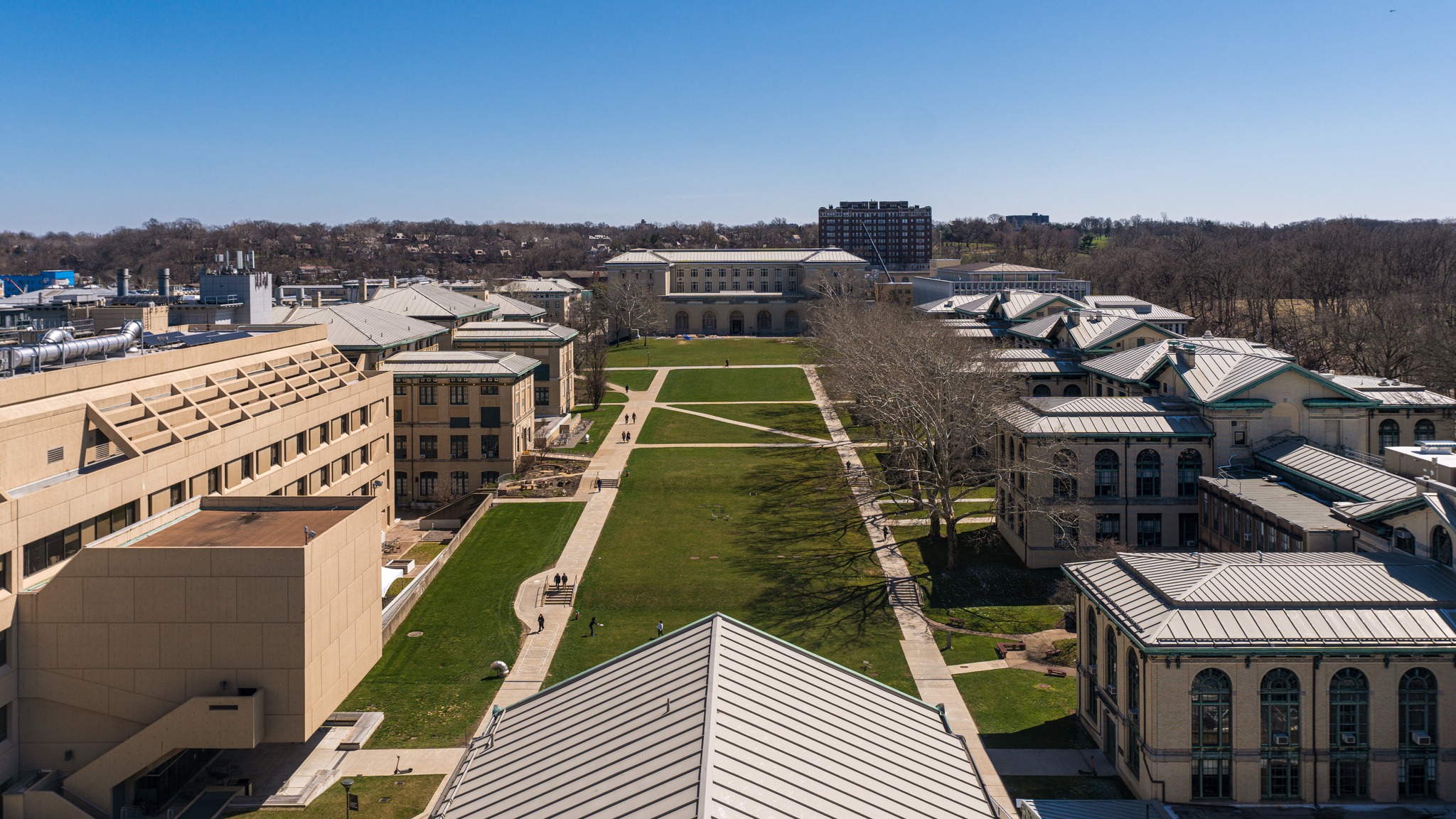
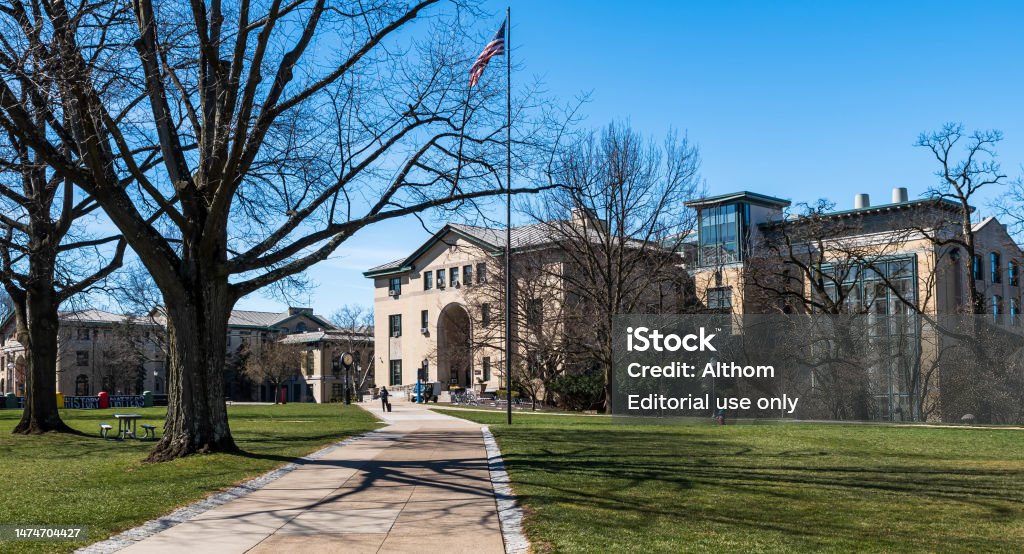
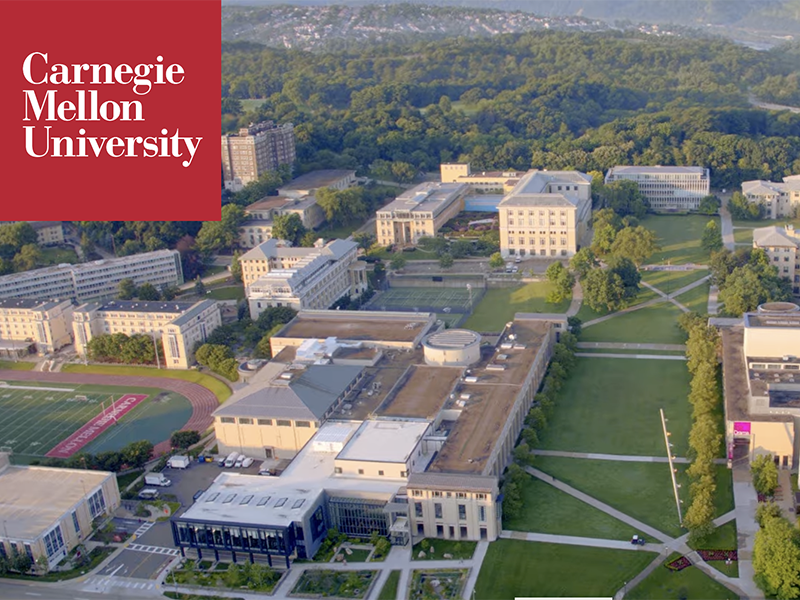
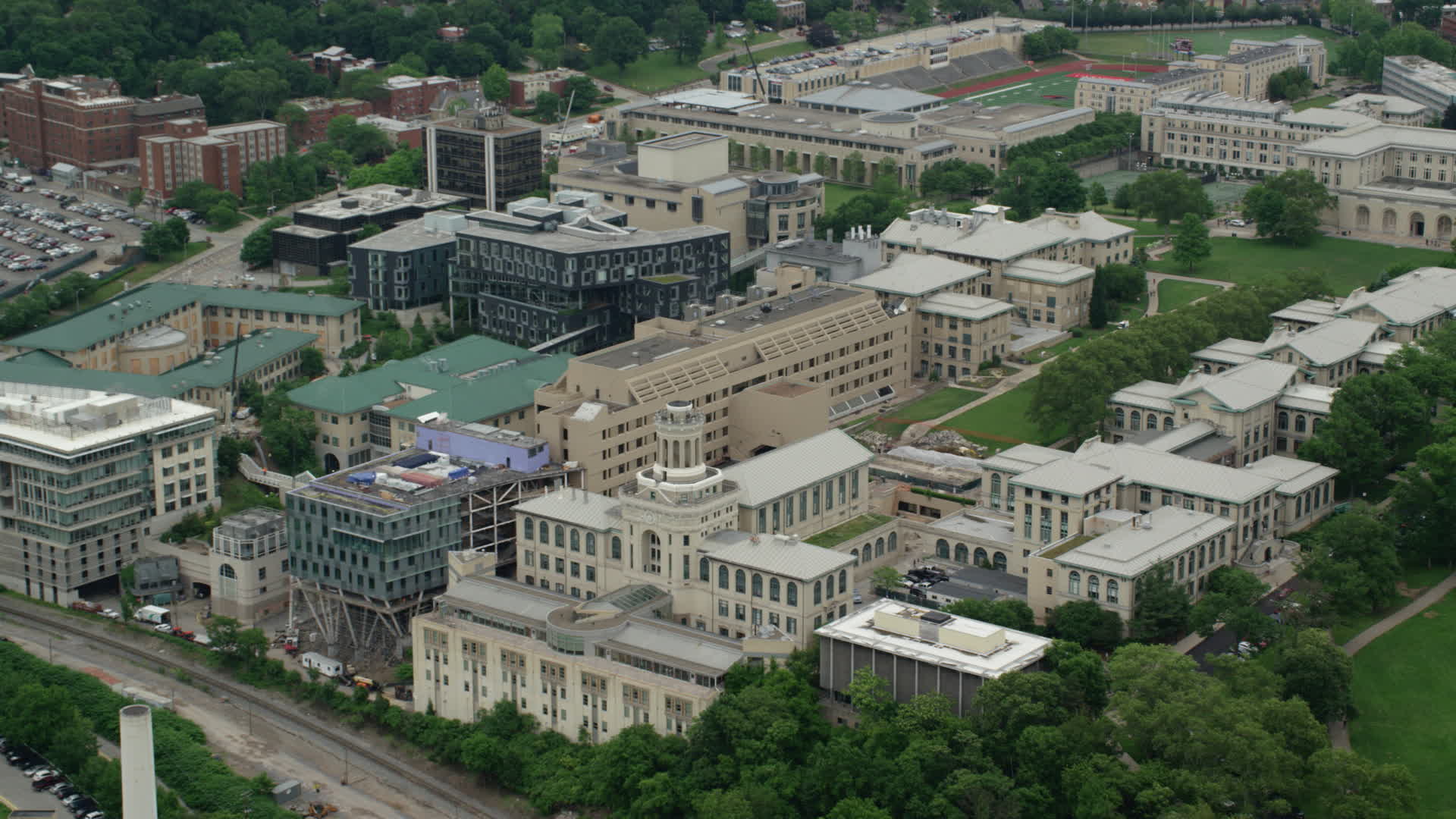
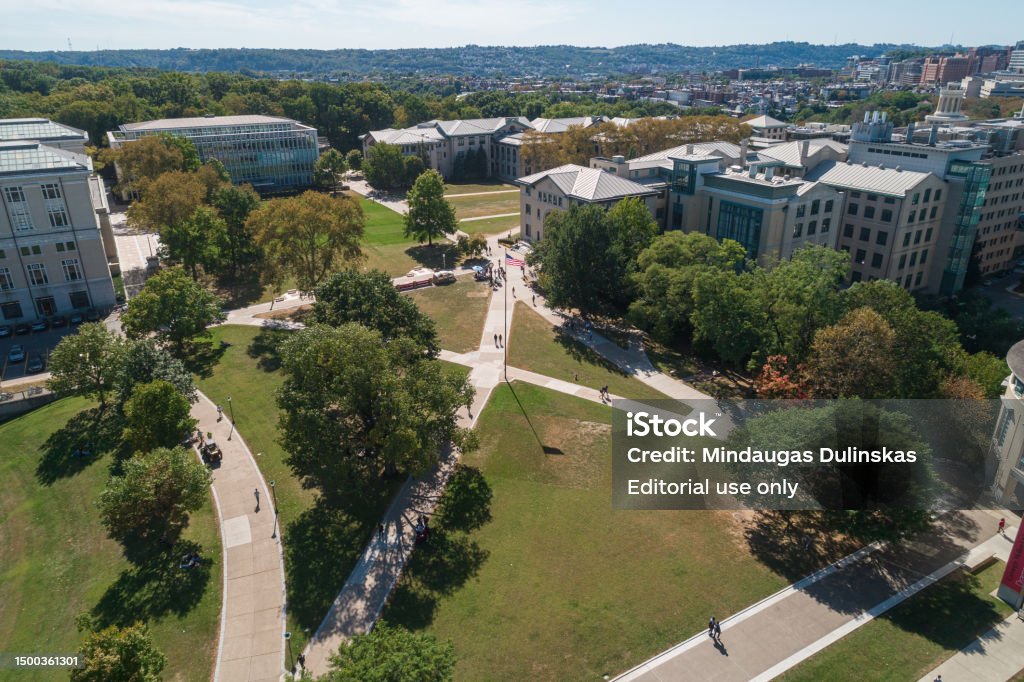
Located in Pittsburgh’s Oakland and Squirrel Hill neighborhoods, the CMU campus sits adjacent to Schenley Park and the Carnegie Institute. This puts students in a vibrant urban environment surrounded by museums, parks, and fellow university campuses like the University of Pittsburgh.
Student life at CMU is notoriously intense—often summarized by the unofficial campus motto, "My heart is in the work." However, students balance demanding academics with a rich tradition of quirky campus culture:
- The Fence: A landmark on campus that student organizations paint overnight, resulting in layers of thick paint built up over decades.
- Spring Carnival: An annual tradition featuring booth-building competitions and buggy races—a specialized sport where students push aerodynamic wheeled capsules around a hilly campus track at high speeds.
- Interdisciplinary Collaboration: Hackathons, art showcases, and startup incubators run by students happen almost every weekend.
Research Impact and Innovation
As a global research institution, CMU receives substantial funding from federal agencies, private foundations, and corporate partners. The university is a birthplace of self-driving car technology, search engine algorithms, and modern cognitive psychology. Faculty members and alumni regularly found successful startups or assume leadership roles in Silicon Valley tech giants, Wall Street financial firms, and prestigious creative agencies.
Conclusion
Carnegie Mellon University stands out as a beacon of modern education because it refuses to separate technical capability from human creativity. For students willing to embrace an intense workload and a collaborative community, CMU offers an unmatched launchpad for careers that shape the future.