Catholic Church Income Breakdown: How It Funds the World
Inside Vatican Finances: A Global Enterprise
When people think about the Vatican, they often picture gold-domed basilicas, priceless art collections, and centuries-old tradition. However, running the global headquarters of over 1.3 billion Catholics requires a sophisticated financial apparatus. Understanding how the global institution operates demands a close look at a comprehensive Catholic Church income breakdown, which reveals a financial structure far more decentralized—and far more complex—than most observers realize.
Unlike a multinational corporation with a single centralized balance sheet, the Catholic Church operates more like a vast federation. The vast majority of its money is raised, managed, and spent at the local level. From Sunday collection baskets in rural parishes to massive diocesan real estate holdings, the Church's financial footprint touches nearly every corner of the globe.
The Local Level: Where Most Money is Raised
To understand where Church money comes from, you have to start at the grassroots. The foundational engine of Catholic finance is the local parish.
Sunday Collections and Donations
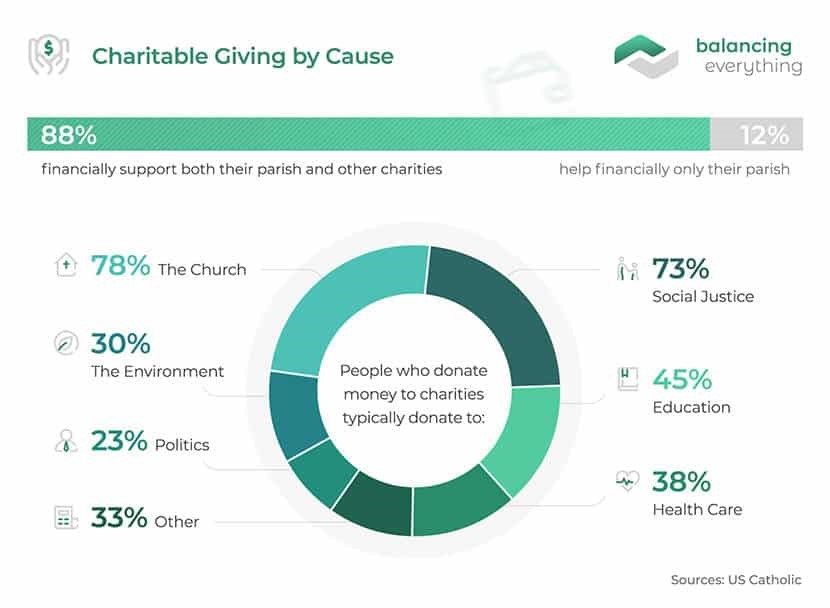
The primary source of day-to-day operating revenue for the Church consists of Sunday collections, holy day offerings, and individual donations from parishioners. These funds are used locally to:
- Pay clergy and lay employee salaries
- Maintain parish buildings, schools, and rectories
- Cover utility bills and insurance
- Fund local outreach programs and food pantries
While individual parish budgets are modest, their aggregate total across the hundreds of thousands of parishes worldwide represents billions of dollars annually. However, this money rarely leaves the local community, except for designated second collections requested by bishops or the Vatican for specific global causes.
Diocesan Assessments and Fundraising
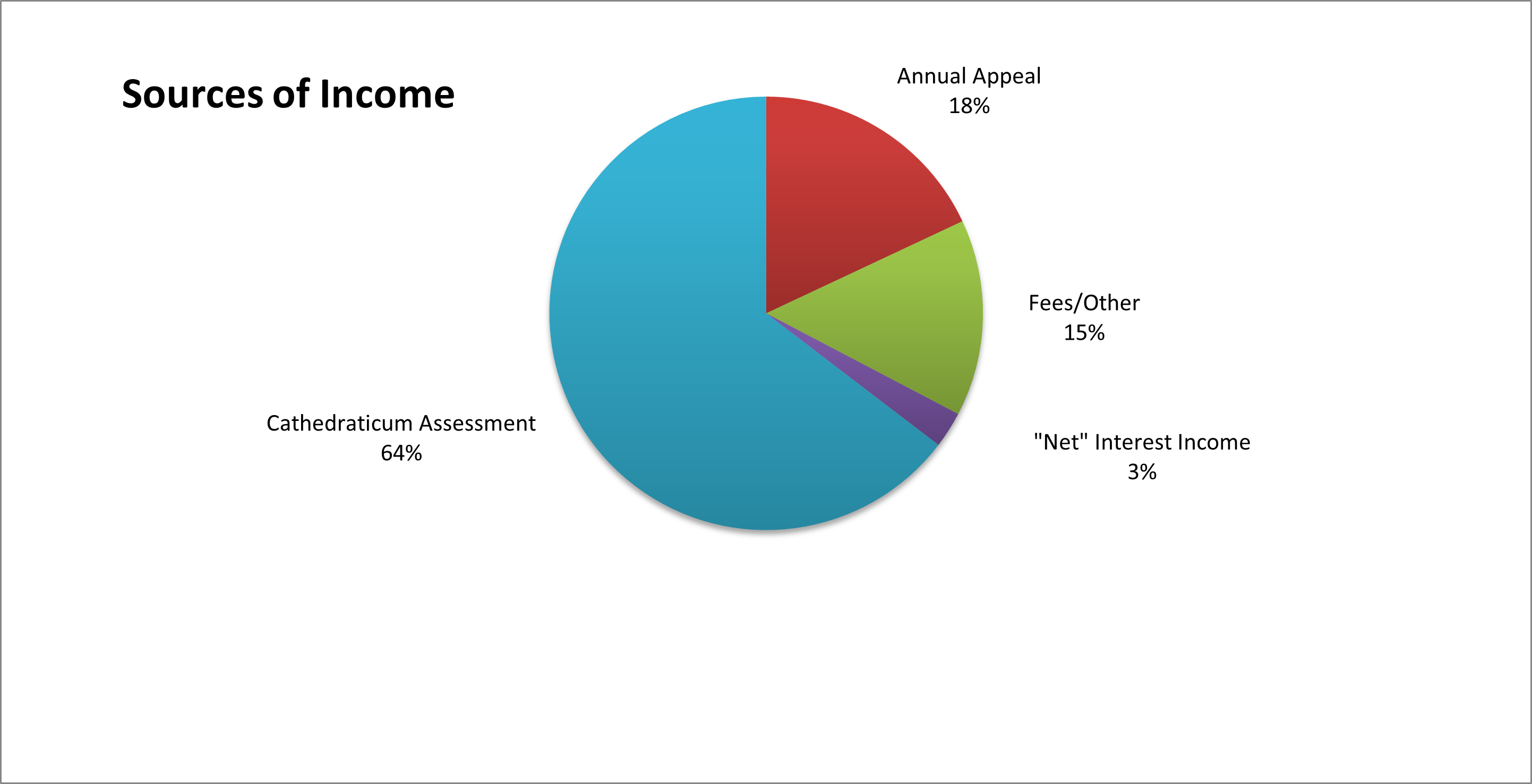
Every parish belongs to a diocese, overseen by a bishop. Dioceses generate revenue through "assessments"—a percentage of parish income paid up the chain—alongside annual Catholic appeal campaigns. These diocesan funds support regional ministries, seminarian education, Catholic Charities, and administrative overhead.
Global Contributions: Peter’s Pence and Beyond
At the international level, the Holy See relies on specific streams of revenue to fund the governance of the universal Church and its extensive diplomatic corps.
Peter’s Pence
One of the most well-known global fundraising efforts is Peter’s Pence, a collection taken up worldwide annually around the Feast of Saints Peter and Paul (June 29). These donations go directly to the Pope to be used for emergency relief, disaster response, and supporting dioceses in developing nations. While millions of dollars are raised through Peter’s Pence each year, the total fluctuates based on global economic conditions and the perceived transparency of Vatican administration.
Investments and Real Estate
The Administration of the Patrimony of the Apostolic See (APAS) manages the real estate and financial investments of the Vatican. This portfolio includes thousands of residential and commercial properties, primarily in Italy and major European capitals. Rental income from these properties historically serves as a major pillar of the Vatican’s operating budget, though maintenance costs and market fluctuations can heavily impact net yields.
The Vatican Bank (IOR)
Formally known as the Institute for the Works of Religion (IOR), the Vatican Bank is not a traditional central bank. It manages assets for religious orders, clergy, Vatican employees, and Catholic institutions. Profits generated from its financial services are periodically funneled back into the Holy See's central budget to help cover operational deficits.
Where Does the Money Go? Charitable and Operational Spending
A complete financial picture must examine not only how funds are gathered, but how they are deployed. The Church is arguably the largest non-governmental provider of social services, healthcare, and education in the world.
Global Healthcare and Education
Thousands of Catholic hospitals, clinics, orphanages, universities, and schools operate globally. In many developing nations, the Catholic Church provides the only accessible healthcare and education infrastructure. While many of these institutions charge tuition or fees, or receive government subsidies, they are heavily subsidized by religious orders and diocesan budgets.
Catholic Charities and Humanitarian Aid
Organizations like Caritas Internationalis—a global confederation of over 160 Catholic relief, development, and social service organizations—mobilize billions of dollars annually to combat poverty, respond to natural disasters, and aid refugees. Funding for these efforts comes from targeted donor campaigns, government grants, and Church subsidies.
Vatican Curia Operations
The central administrative apparatus of the Vatican—the Roman Curia—operates departments (dicasteries), maintains diplomatic relations with over 180 countries, and preserves historical archives and museums. Operating the Vatican typically runs an annual deficit, which is often offset by returns on investments, contributions from wealthy dioceses, and donations from the faithful.
Transparency and Modern Financial Reforms
In the past, Vatican finances faced sharp criticism due to a lack of transparency and several high-profile financial scandals. In response, recent pontiffs have instituted sweeping reforms.
The Secretariat for the Economy was established to centralize financial oversight, standardize accounting practices across all Vatican departments, and subject the Holy See to independent external audits. Publishing consolidated annual financial reports has become standard practice, giving the public a clearer, more accountable view of how papal resources are allocated.
Ultimately, the financial ecosystem of the Catholic Church is a complex blend of local sacrifice, global charity, and institutional asset management. While individual components face economic pressures, the overarching financial engine remains one of the largest and most far-reaching networks of social and spiritual capital in human history.