Catholic Church Million-Dollar Holdings: Worth It?
Inside the Catholic Church’s Million-Dollar Holdings—Is It Worth It?

The Roman Catholic Church is one of the oldest and largest institutions in human history. With over a billion adherents worldwide, its spiritual influence is matched only by its massive material footprint. When people look inside the Catholic Church’s million-dollar holdings—is it worth it? becomes a complex question involving real estate, fine art, global investments, and charitable expenditures.
Unlike a publicly traded corporation, the financial architecture of the Church is decentralized, opaque, and historically rooted. To understand whether these immense assets are justifiable, we must break down what the Church owns, how those assets are managed, and where the money ultimately flows.
The Anatomy of Church Wealth: What Does the Church Own?
When discussing Catholic wealth, it is vital to distinguish between the Vatican (the Holy See) and the global Church, which includes thousands of dioceses, parishes, religious orders, and lay organizations worldwide.
Real Estate and Historic Properties
The most visible portion of the Church’s holdings is its real estate. From centuries-old basilicas in Rome to modest suburban parishes in the United States, the Church owns vast tracts of land and buildings.
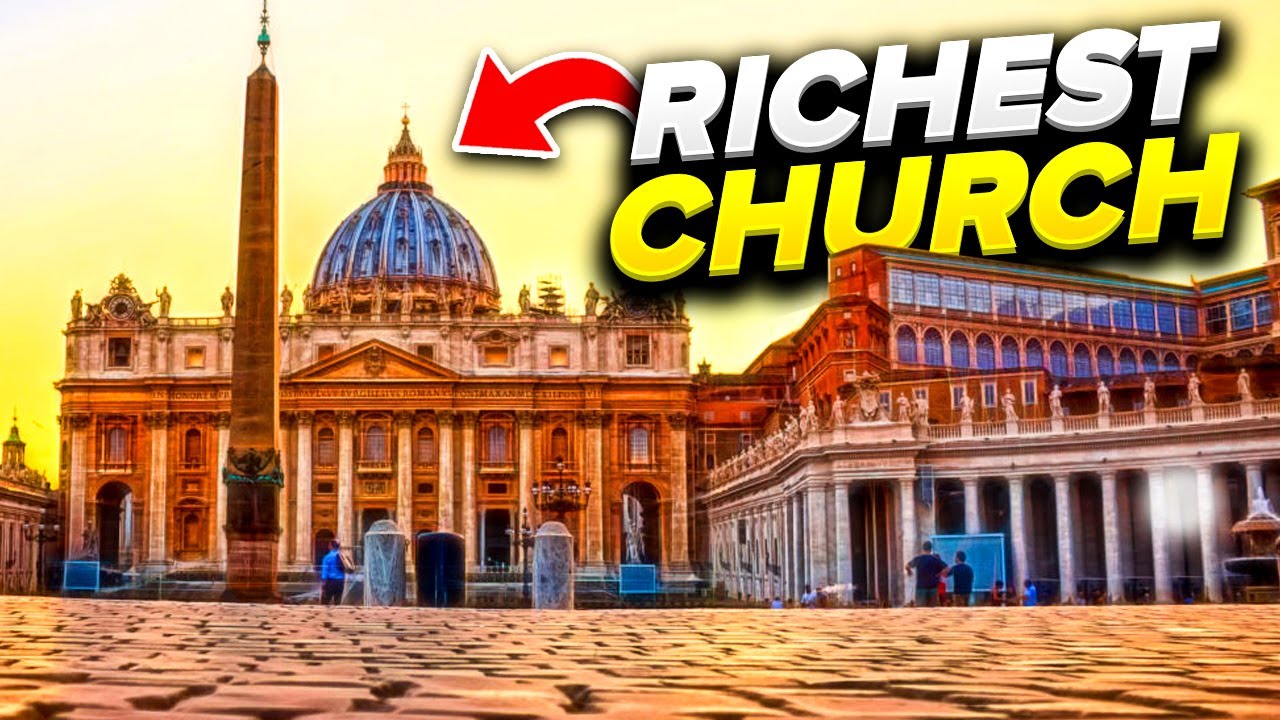
- St. Peter’s Basilica and Vatican City: While priceless in cultural and historical terms, these properties are generally considered non-liquid assets that cannot be sold on the open market.
- Global Diocesan Properties: Dioceses worldwide own churches, schools, hospitals, rectories, and administrative offices. Many of these properties operate at a financial loss and require subsidies to stay open.
Art, Antiquities, and Cultural Heritage
The Vatican Museums house some of the world's most valuable art collections, including works by Michelangelo, Raphael, and Caravaggio. While financial analysts occasionally attempt to place a price tag on these treasures, they are held in trust for humanity. Selling them would violate canon law and the cultural mission of the Church.
Investment Portfolios and Financial Assets
The Holy See manages its liquid wealth through entities like APSA (the Administration of the Patrimony of the Apostolic See) and the Institute for the Works of Religion (commonly known as the Vatican Bank). These portfolios include international stocks, bonds, and commercial real estate holdings in major European cities like London, Paris, and Rome.
How Church Finances Are Managed
Historically, Vatican finances were plagued by a lack of transparency, resulting in numerous financial scandals involving poorly vetted investments and secretive accounts. However, recent pontificates—particularly under Pope Francis—have instituted significant reforms.
Video: The Vatican’s Unimaginable Wealth
- Ethical investment guidelines: The Secretariat for the Economy enacted strict policies banning investments in weapons, pornography, abortion-related services, and fossil fuels that harm the environment.
- External auditing: Independent accounting firms like PricewaterhouseCoopers (PwC) and Deloitte have been brought in to audit Vatican finances, aligning the Holy See closer to international transparency standards.
The Human and Social Return: Where Does the Money Go?
Critics frequently point to the Church's vast wealth as a contradiction to the Gospel message of poverty and service to the poor. To answer whether these holdings are "worth it," one must look at the immense network of social services funded by the institution.
The Catholic Church is the largest non-governmental provider of health, education, and social welfare services in the world. Its financial machinery supports:
- Thousands of hospitals and clinics in developing nations, treating diseases like HIV, malaria, and tuberculosis.
- Parochial and diocesan school systems that educate millions of children, often in marginalized or low-income communities.
- Global charitable networks such as Caritas Internationalis, which provide disaster relief, food security, and refugee assistance.
Without a centralized capital base and real estate holdings, maintaining these expansive charitable operations would be nearly impossible. The assets serve as an economic engine that sustains the Church's operational footprint.
The Dark Side: Scandals, Maintenance Costs, and Liabilities
Despite the philanthropic output, maintaining million-dollar and billion-dollar holdings carries a heavy cost.
The Burden of Historic Preservation
Historic churches and cathedrals require millions of dollars annually in specialized maintenance. Many European dioceses struggle to cover these costs as church attendance declines, forcing them to sell deconsecrated buildings or merge parishes.
Legal Settlements and Financial Strain
In countries like the United States, Canada, and Australia, dioceses have faced devastating financial payouts related to clergy abuse litigation. Several American dioceses have been forced to file for Chapter 11 bankruptcy, liquidating properties and administrative assets to compensate victims. These crises highlight how institutional wealth can be severely drained by institutional failures.
Conclusion: Is the Wealth Justified?
Examining the Catholic Church’s financial reality reveals a paradox. On one hand, the institution controls vast wealth, real estate, and investments that occasionally invite accusations of corporate greed and administrative mismanagement. On the other hand, the vast majority of these assets are tied up in non-liquid cultural heritage or directly fund a global network of hospitals, schools, and charities.
Ultimately, whether the Church's holdings are "worth it" depends on perspective. If viewed purely as a corporate entity, its asset management is historic, complex, and increasingly transparent. If viewed through a spiritual lens, the challenge remains an ongoing tension: balancing the necessary material resources to run a global institution with the radical call to evangelical poverty.


