Catholic Church’s Billions Explained: Real Wealth Sources
Demystifying the Catholic Church’s Billions Explained

When people discuss global religious institutions, the conversation inevitably turns to finance. The global reach of Catholicism spans over 1.3 billion baptized members, operating thousands of schools, hospitals, and charitable organizations worldwide. Because of this massive footprint, public curiosity surrounding the Catholic Church’s billions explained remains remarkably high. Popular culture often depicts the Vatican as a monolithic vault overflowing with gold bars and priceless Renaissance art. However, the financial reality of the global Church is far more complex, decentralized, and misunderstood than mainstream myths suggest.
To understand how Catholic finances actually work, financial analysts must look beyond sensational headlines. The Church is not a single corporation with a unified bank account. Instead, it operates as a vast network of autonomous dioceses, religious orders, parishes, and Vatican departments. Each entity manages its own assets, budgets, and liabilities.
The Vatican Budget vs. Global Diocesan Wealth
A primary misconception in discussions about Church finances is confusing the Vatican’s central budget with the wealth of the worldwide Catholic Church. The Holy See functions much like a sovereign city-state government, managing diplomatic relations, global basilicas, and the Roman Curia.
The Holy See's Annual Deficit
Contrary to popular belief, the Vatican’s central administration frequently operates at a financial deficit. For years, the Secretariat for the Economy has reported annual operating deficits ranging from €20 million to upwards of €80 million. The Holy See relies on three primary funding mechanisms to cover these shortfalls:
- Peter’s Pence: A global collection taken up annually from Catholics worldwide to support the Pope's charitable works and administrative needs.
- Contributions from Dioceses: Wealthier archdioceses around the world occasionally send financial support to Rome.
- Investment Returns: Earnings from real estate portfolios and managed financial funds overseen by the Administration of the Patrimony of the Apostolic See (APSA).
Decentralized Diocesan Finances
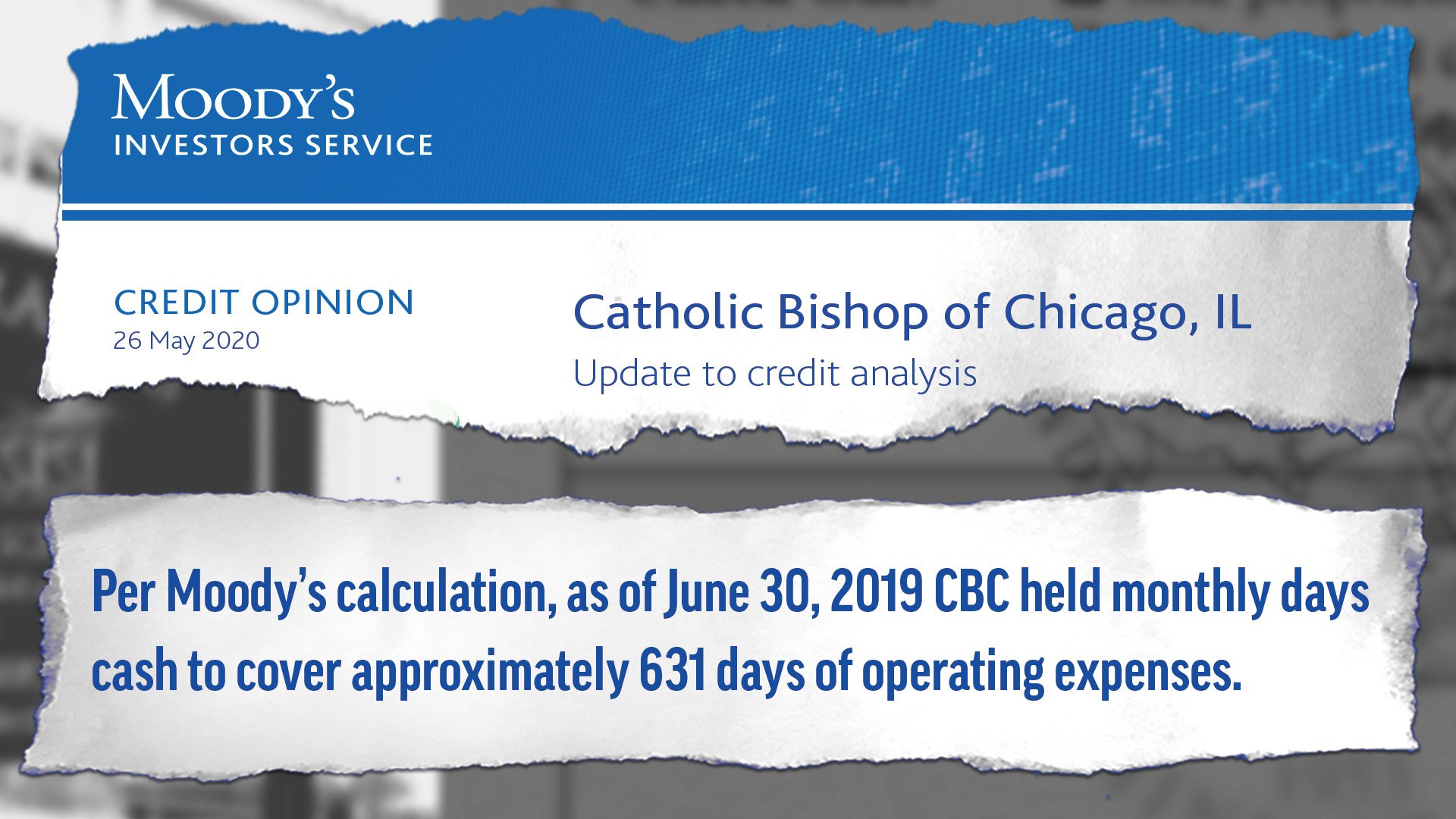
While the Vatican itself runs on a relatively tight administrative budget, individual dioceses and archdioceses often hold substantial real estate and liquid assets. A local diocese in a wealthy nation like the United States, Germany, or Italy owns property, local parish buildings, and investment portfolios. Crucially, these assets belong to the local dioceses—not the Vatican—and are legally restricted to supporting regional religious and charitable missions.
Where Does the Wealth Actually Live?
When examining the Catholic Church’s billions explained, financial experts divide Church assets into three primary categories: real estate, liquid investments, and cultural heritage assets.
1. Global Real Estate Holdings
Real estate constitutes the largest share of the Church's financial footprint. Through APSA and various religious orders, the Vatican owns thousands of properties across Rome and major European cities. These holdings include residential apartments, commercial buildings, and historic structures leased out to generate rental income.
However, owning real estate does not automatically translate to high net cash. Many properties are historical buildings that cannot be sold, require extensive and costly maintenance, or are used rent-free for schools, convents, and charitable shelters.
Video: The Secret History of the Vatican's Wealth | Money, Power & Hidden History (2026) #veticancity
2. Financial Investments and the IOR

The Institute for the Works of Religion (IOR), commonly known as the Vatican Bank, manages assets for religious orders, Vatican departments, and clergy members worldwide. Following sweeping financial reforms initiated over the last decade, the Vatican Bank operates with increased transparency, complying with international anti-money laundering standards.
Investment portfolios managed by APSA include diversified holdings in global stocks, bonds, and government securities, adhering to ethical investment guidelines that prohibit funding abortion, pornography, or weapons manufacturing.
3. Priceless Art and Cultural Heritage
Monuments like St. Peter’s Basilica, the Sistine Chapel, and the vast collections inside the Vatican Museums are frequently assigned astronomical hypothetical financial values. Art appraisers note that masterpieces by Michelangelo, Raphael, and Caravaggio are technically priceless.
Despite these high estimates, this cultural wealth is practically unliquidatable. The Vatican cannot and will not sell its sacred art or architectural heritage. These items belong to humanity's shared cultural history and serve religious, educational, and conservation purposes rather than commercial investment goals.
Operational Costs and Charitable Expenditures
Maintaining a global religious infrastructure requires massive ongoing expenditures. Critics who focus solely on accumulated assets often overlook the day-to-day operational costs of running the Church's vast social safety net.
Global Healthcare and Education
The Catholic Church is the largest non-governmental provider of health and educational services in the world. According to Vatican statistical yearbooks, the Church operates:
- Over 5,000 hospitals and clinics, many located in impoverished developing regions.
- More than 150,000 primary and secondary schools.
- Thousands of orphanages, elderly care facilities, and food pantries.
The vast majority of funds raised through local collections and diocesan investments flow directly into sustaining these operations, paying staff salaries, and funding humanitarian relief missions through organizations like Caritas Internationalis.
Recent Financial Reforms and Transparency
Historically, Vatican finances were notoriously opaque, leading to numerous financial scandals in the late 20th century. Recognizing the damage to the Church's moral credibility, recent pontificates have implemented aggressive financial overhauls.
Pope Francis centralized financial management, stripped individual departments of independent investment accounts, and subjected all Vatican entities to independent external audits by major accounting firms. Today, the Holy See regularly publishes detailed annual financial statements, offering unprecedented public access to its balance sheets, income statements, and asset allocations.
Conclusion
Ultimately, examining the Catholic Church’s billions explained reveals a nuanced picture of a massive global institution that balances significant property holdings with heavy operational expenses. While individual dioceses and the Vatican hold substantial real estate and investment assets, these resources are largely tied up in maintaining historical landmarks, funding global education, and driving extensive healthcare and charitable works worldwide.