Catholic Ethos of Wealth: Fasting & Stewardship
When examining the complex relationship between money, possessions, and spirituality, the Catholic Church offers a deeply counter-cultural perspective. Rather than viewing material success as an absolute indicator of divine favor—nor, conversely, condemning all wealth as inherently evil—Catholic social teaching and tradition emphasize stewardship, detachment, and charity. Central to understanding the Catholic ethos of wealth: fasting acts as a physical and spiritual reset button. It reconfigures how believers view consumption, desire, and their obligations to the broader community.

The Spiritual Blueprint of Wealth in Catholicism
At the heart of Catholic doctrine is the principle of universal destination of goods. According to the Catechism of the Catholic Church, God intended the earth and all it contains for the use of all human beings. Private property is recognized and protected, but it carries a distinct social mortgage.
Wealth, therefore, is not viewed as an end in itself, but as a tool entrusted to an individual for a specific duration. A wealthy Catholic is called to be a prudent steward rather than an absolute owner. This perspective fundamentally shifts financial decision-making away from pure accumulation toward long-term human flourishing, family support, and community uplift.
Wealth as a Test of Character
Scripture warns repeatedly about the spiritual dangers of riches. Jesus notes that it is easier for a camel to pass through the eye of a needle than for a rich person to enter the kingdom of God. However, Christianity does not demand a vow of poverty from all its adherents. Instead, it places immense moral responsibility on those who hold capital. Wealth tests a person's humility, generosity, and capacity for self-control.
Inside the Catholic Ethos of Wealth: Fasting
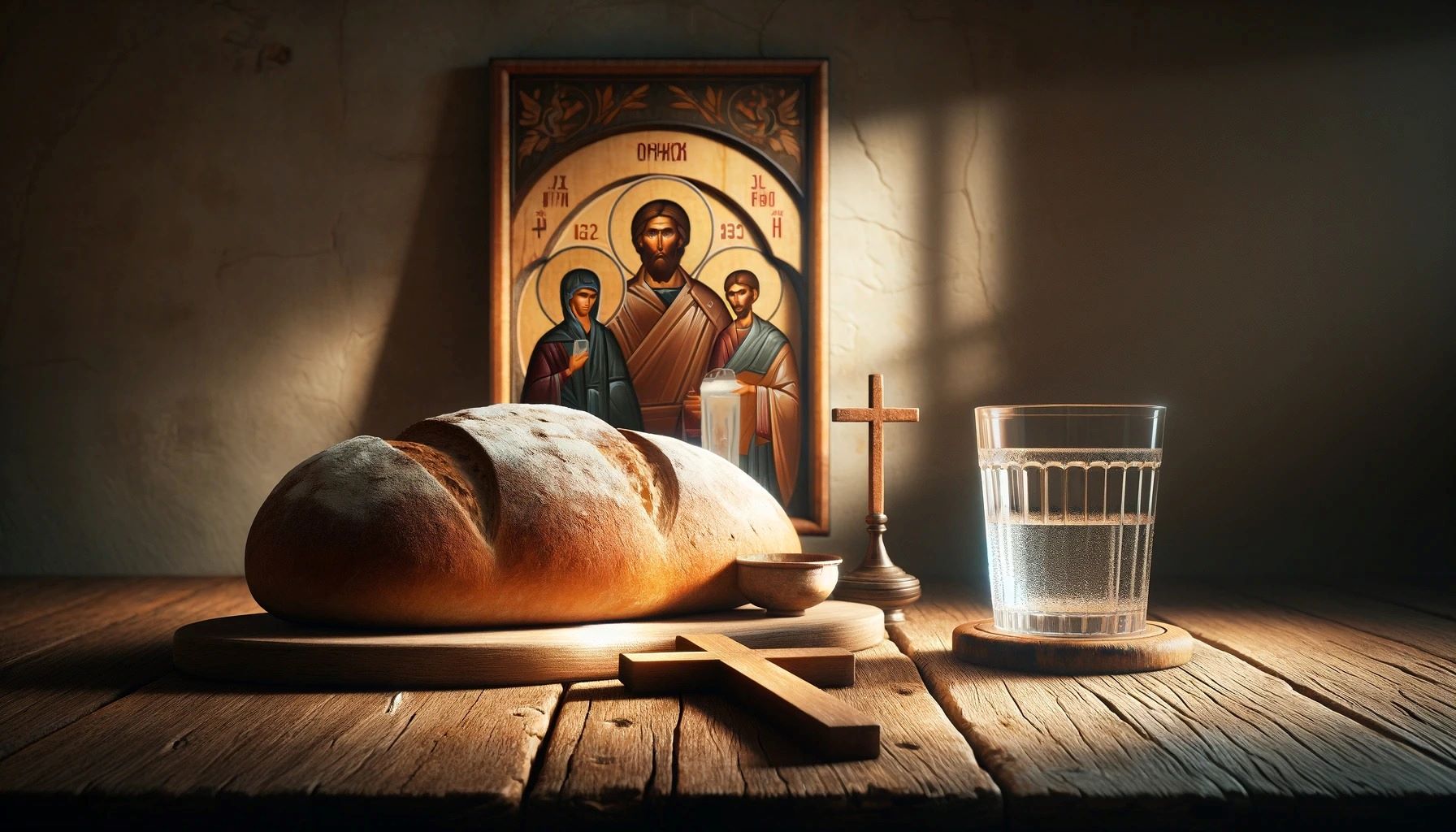
Physical asceticism provides the necessary muscle memory for spiritual detachment. Within the Catholic tradition, fasting is not merely a diet or a seasonal ritual practiced during Lent; it is an ancient discipline designed to tame concupiscence—the human inclination to overconsume.
When applied to personal finance and material abundance, fasting creates a vital psychological space. By voluntarily denying the body immediate comforts, a person confronts their attachments to luxury, convenience, and status symbols. Fasting teaches the soul that human identity is rooted in divine adoption, not in consumer choices or net worth.
Practicing Austerity in an Era of Abundance
Video: Catholic Fasting & Abstinence Explained (What the Church Actually Requires)

Modern economic systems are built on constant consumption and the creation of artificial desires. The Catholic tradition pushes back against this consumerist treadmill through structured self-denial:
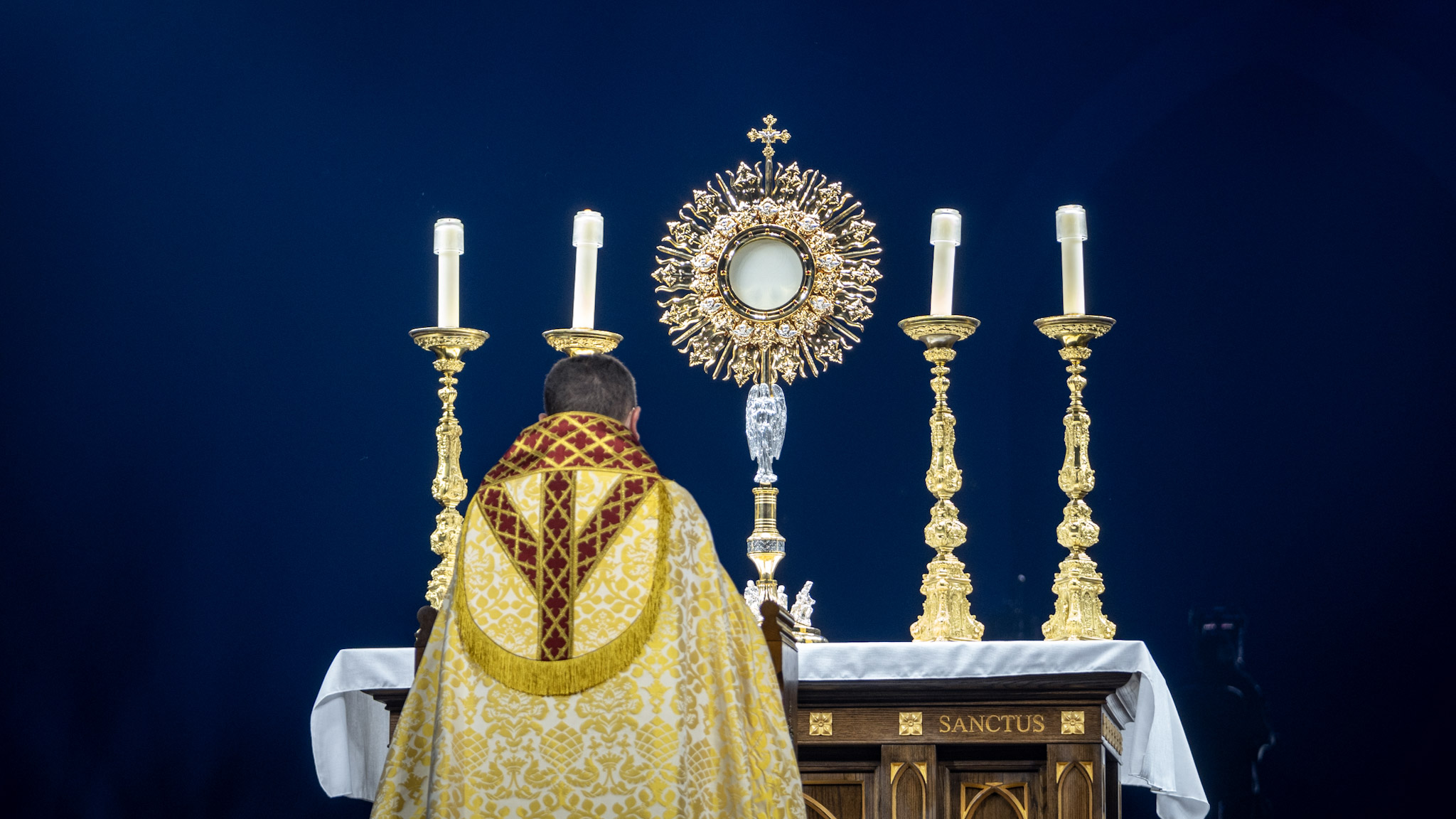
- Eucharistic Fasting: Abstaining from food and drink (except water and medicine) for one hour before receiving Holy Communion trains the body to hunger for the sacred over the mundane.
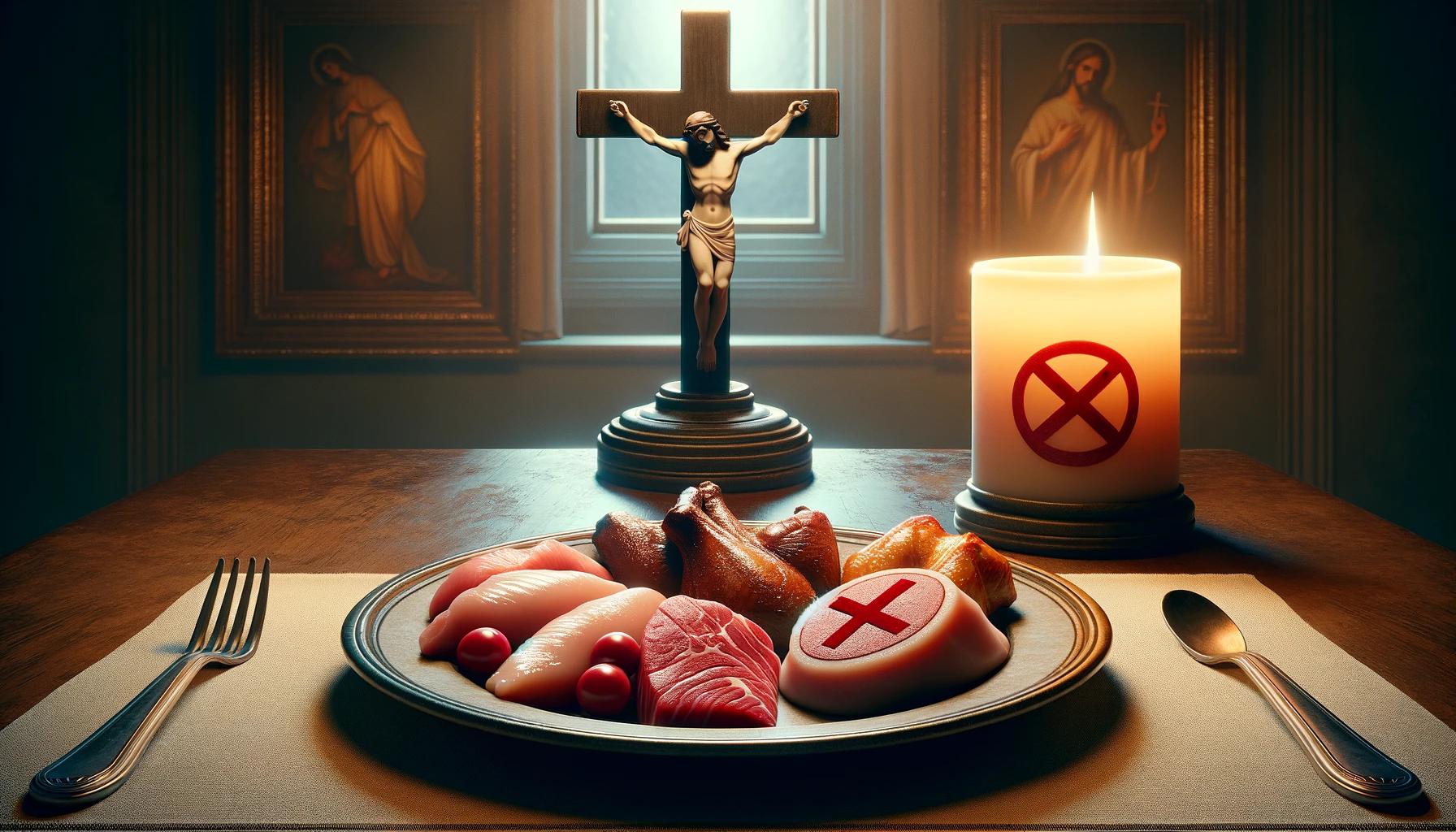
- Days of Abstinence: Fridays throughout the year (and specifically Ash Wednesday and Good Friday) call Catholics to simple living, historically by refraining from meat and redirecting saved resources toward the poor.
- Voluntary Almsgiving: The financial savings accrued through fasting are traditionally funneled directly into charitable works, turning personal sacrifice into direct aid for the vulnerable.
Fasting as a Counterweight to Greed
Greed operates on the illusion of scarcity and the fear of not having enough. It drives endless accumulation and hoarding. Fasting directly dismantles this mindset by proving to the individual that they can survive—and even thrive—with less.
In the context of wealth management, regular fasting acts as a spiritual audit. It forces a person to look at their bank statements, lifestyle inflation, and luxury spending through the lens of eternity. It asks hard questions: *Does this purchase serve genuine human needs, or is it an attempt to fill an internal spiritual void?* By curbing the appetite for food and luxury, the believer regains mastery over their impulses, making it much easier to practice radical generosity.
Stewardship, Almsgiving, and Generosity
Fasting is never practiced in a vacuum; it is always paired with prayer and almsgiving. In Catholic tradition, money saved through frugality and fasting belongs ultimately to the poor. Tithing—giving a percentage of one's income to the parish, diocese, and charitable organizations—remains a vital expression of faith.
Furthermore, Catholic social teaching champions the concept of the "preferential option for the poor." This ethical stance requires investors and business owners to weigh the human impact of their financial decisions. Are employees paid a living wage? Do corporate investments harm local communities or exploit vulnerable populations? Ethical investing within Catholicism seeks to align portfolios with moral imperatives, avoiding companies involved in abortion, contraception, pornography, or weapons manufacturing.
Conclusion: Integrating Faith and Finance
Navigating wealth while remaining faithful to the Gospel requires continuous vigilance. The Catholic ethos provides a robust framework that honors human ingenuity and economic enterprise while keeping material possessions in their proper perspective.
Through the disciplined practice of fasting, believers continually loosen their grip on temporal riches. By mastering their material desires, they free up emotional and financial resources to love God and serve their neighbor more effectively, proving that true wealth lies not in what one accumulates, but in what one gives away.