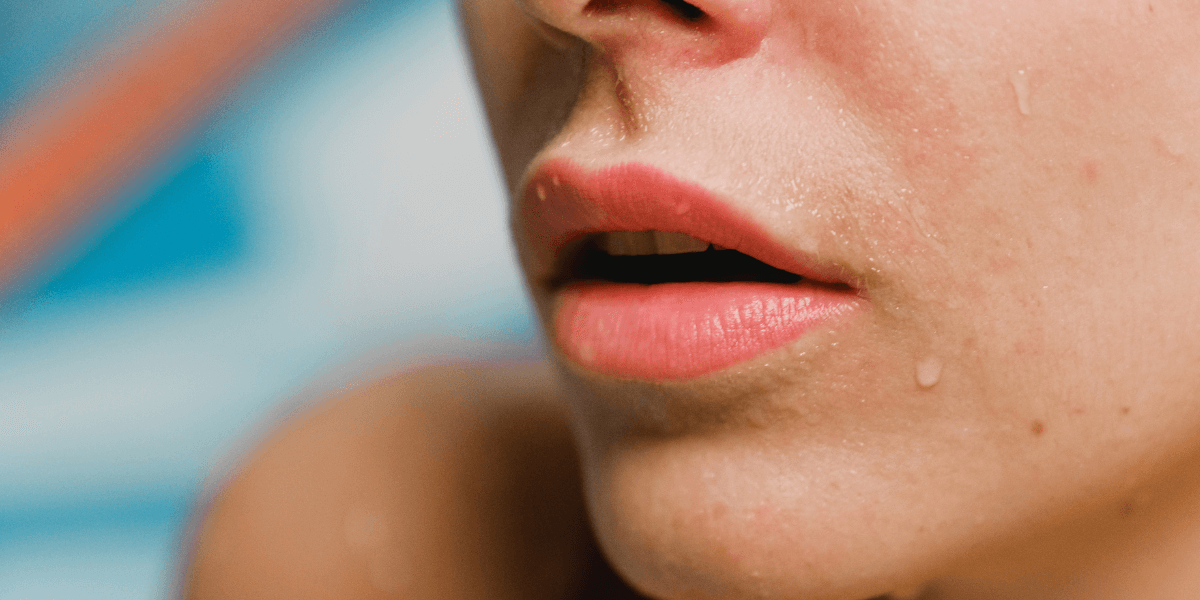
Causes of Lip Twitching: Why Is Your Lip Spasming?
Understanding Lip Spasms

An involuntary flutter or spasm in your upper or lower lip can be startling, annoying, and occasionally persistent. While most episodes are entirely harmless and disappear on their own within a few minutes or hours, understanding the underlying causes of lip twitching can help you determine whether it is just a minor annoyance or a sign of an underlying medical issue. Medically known as fasciculations, these tiny muscle contractions happen when nerves misfire and cause groups of muscle fibers to contract rapidly.
Lip twitching can range from a barely noticeable quiver to a more pronounced spasm that affects your entire mouth area. To help you decode what your body is trying to tell you, let us explore the most common culprits behind this strange physical phenomenon.
Common Lifestyle Causes of Lip Twitching
In the vast majority of cases, lip spasms are triggered by everyday habits, environmental factors, or temporary physical stress. Making minor adjustments to your daily routine is often enough to make the twitching stop.
1. Excess Caffeine Consumption
That extra cup of coffee or energy drink might be keeping you alert, but it could also be the reason your lip is dancing. Stimulants like caffeine over-sensitize your nervous system and muscles, making them prone to erratic firing. If you consume high amounts of coffee, tea, or soda, try cutting back for a few days to see if the spasms subside.
2. Fatigue and Sleep Deprivation
Your body needs adequate rest to repair muscle tissue and regulate nerve function. When you consistently run on too little sleep, your nervous system becomes fatigued. This exhaustion frequently manifests as random muscle twitches, commonly affecting the eyelids, hands, and lips.
3. Stress and Anxiety
Mental and emotional stress takes a heavy toll on physical health. High anxiety levels release stress hormones like cortisol and adrenaline, which can cause muscles to tense and nerves to misfire. Furthermore, chronic stress often leads to shallow breathing or hyperventilation, altering blood chemistry and triggering spasms.
4. Electrolyte Imbalances and Dehydration
Muscles rely on a delicate balance of minerals—such as potassium, calcium, magnesium, and sodium—to contract and relax properly. If you are dehydrated or lacking these essential electrolytes due to poor diet, intense exercise, or illness, your muscles may start to cramp or twitch uncontrollably.
Medical and Neurological Causes
Video: Why is my lip twitching?
When lip twitching is persistent, worsens over time, or spreads to other parts of the face, it may point toward a specific medical condition requiring professional evaluation.

1. Nutritional Deficiencies
Beyond general electrolyte imbalances, specific vitamin deficiencies can cause muscle irritability. A lack of Vitamin D, Vitamin B12, or calcium is frequently linked to muscle cramps and facial twitches. Blood tests can easily confirm if you are lacking any vital nutrients.
2. Facial Nerve Irritation (Bell's Palsy or Trigeminal Neuralgia)
The facial nerve (cranial nerve VII) controls all the muscles of facial expression. If this nerve becomes inflamed, compressed, or irritated due to trauma, infection (such as the virus that causes shingles), or blood vessel pressure, it can result in twitching, weakness, or sharp pain.
3. Hemifacial Spasm
A hemifacial spasm is a neurological disorder characterized by involuntary, painless muscle contractions on one side of the face. It typically starts with minor twitching around the eye, eventually spreading down to the cheek and the corner of the mouth. This is usually caused by a blood vessel pressing against the facial nerve near the brainstem.
4. Medication Side Effects
Certain prescription drugs can cause muscle twitching as a side effect. Common culprits include:
- Corticosteroids
- Amphetamines and other ADHD medications
- Diuretics (which can deplete electrolytes)
- Antipsychotic medications
When to See a Doctor
Most lip twitches go away on their own without medical intervention. However, you should schedule an appointment with a healthcare professional or neurologist if you experience any of the following red flags:
- The twitching lasts for more than a few days or weeks without improvement.
- The spasm spreads to other areas of your face, such as your eye, cheek, or neck.
- You experience facial weakness, numbness, or drooping.
- Your mouth feels stiff or difficult to move.
- You experience difficulty speaking, chewing, or swallowing.
How to Stop and Prevent Lip Spasms
If your lip twitching is tied to lifestyle factors, you can take proactive steps to calm your nervous system and eliminate the spasms:
- Hydrate: Drink plenty of water throughout the day to support optimal muscle and nerve function.
- Regulate Sleep: Aim for 7 to 9 hours of quality sleep each night to give your nervous system time to recover.
- Limit Stimulants: Gradually reduce your intake of caffeine and avoid pre-workout supplements loaded with stimulants.
- Manage Stress: Incorporate relaxation techniques such as deep breathing exercises, meditation, yoga, or regular physical activity into your routine.
- Eat a Balanced Diet: Ensure you are consuming nutrient-dense foods rich in potassium, magnesium, and B vitamins, such as leafy greens, bananas, nuts, and whole grains.
Conclusion
While experiencing a persistent quiver can be unsettling, identifying the root causes of lip twitching is the first step toward finding relief. By evaluating your daily habits—such as your caffeine intake, stress levels, and sleep schedule—you can usually resolve minor spasms on your own. However, never hesitate to consult a medical professional if your twitches persist or are accompanied by other neurological symptoms, ensuring you receive an accurate diagnosis and appropriate care.