Cedar Tone Decking Boards: Are They Right For You?
Introduction to Cedar Tone Decking Boards

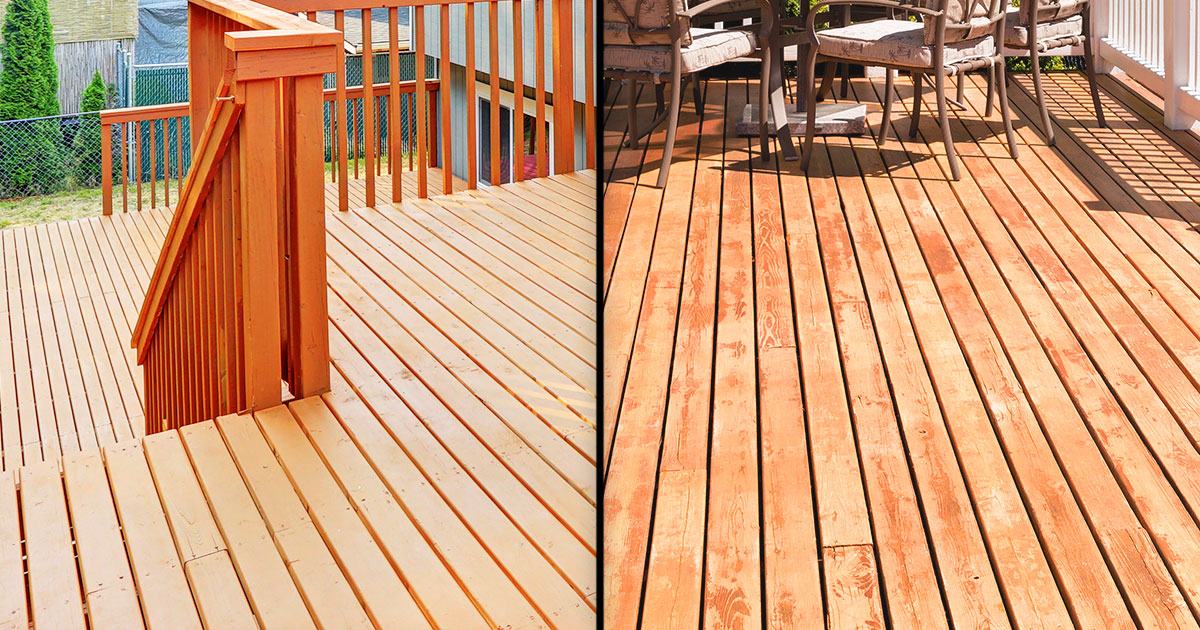
Choosing the right material for an outdoor deck involves balancing aesthetics, budget, and local weather conditions. Among the most popular choices on the market are cedar tone decking boards. Whether crafted from genuine western red cedar or pressure-treated lumber stained to mimic the rich, reddish-brown hues of natural cedar, these boards offer an undeniable visual warmth.
However, beauty is only skin-deep when it comes to outdoor construction. The big question every homeowner faces is whether these boards can withstand their specific regional climate. From freezing winters to blazing summers and torrential downpours, let us examine how cedar tone decking boards perform across different environments to help you make an informed decision.
Understanding Cedar Tone Materials
Before diving into climate performance, it helps to understand what "cedar tone" actually means in the decking industry. You generally encounter two distinct categories:
- Natural Cedar: Real wood species like Western Red Cedar or Northern White Cedar naturally possess a warm reddish-brown color, natural decay resistance, and aromatic oils that deter insects.
- Pressure-Treated Wood with Cedar Stain: Typically made from southern yellow pine, these boards are chemically treated to resist rot and insects, then finished with a cedar-toned stain to replicate the look of real timber at a lower price point.
Both options deliver that classic rustic charm, but their structural resilience under specific weather conditions varies significantly.
Performance in Hot and Arid Climates
If you live in a region characterized by intense sunshine, high temperatures, and very little humidity (like the American Southwest), your deck faces unique stresses.
UV Exposure and Color Retention
Intense ultraviolet (UV) rays are brutal on outdoor wood. Natural cedar and cedar-toned stains will inevitably gray over time without proper maintenance. In hot, sunny climates, you can expect to reapply a UV-blocking clear coat or tinted sealer every one to two years to maintain that signature cedar warmth. Without it, the sun will bleach the wood to a silver-gray patina.
Heat Retention
Unlike composite decking—which can trap heat and become uncomfortably hot for barefoot walking—wood and pressure-treated boards stay relatively cool under the blazing sun. Cedar tone decking boards reflect a fair amount of light, making them a comfortable surface for pool decks and patios in scorching regions.
Behavior in Wet and Humid Environments
Coastal regions, the Pacific Northwest, and the American South present a different set of challenges, primarily driven by moisture, rain, and high relative humidity.
Rot and Decay Resistance
Real cedar contains natural oils (thujaplicins) that make it naturally resistant to decay, rot, and wood-boring insects. This makes genuine cedar an excellent performer in damp environments, provided it has adequate airflow beneath the substructure.
On the other hand, pressure-treated pine with a cedar stain is heavily infused with preservatives that prevent fungal decay, even when constantly exposed to moisture. However, because pine is a more porous wood than cedar, it is more prone to warping, twisting, and splitting if water penetrates the surface.

Mold, Mildew, and Algae
High humidity encourages the growth of mold and mildew on organic surfaces. Cedar tone decking boards will require regular washing with a mild wood cleaner and water to prevent green or black organic buildup. Sealing the wood is mandatory in wet climates to seal out moisture and stop the grain from swelling and cracking.
Coping with Freezing Winters and Snow
In northern climates with heavy snowfall, sub-zero temperatures, and frequent freeze-thaw cycles, building materials undergo extreme physical stress.
Freeze-Thaw Expansion
When moisture trapped inside wood fibers freezes, it expands, which can lead to splintering and cracking. Well-maintained cedar tone decking boards handle cold weather reasonably well, provided they were properly sealed before the first snowfall.
Winter Maintenance Cautions
Shoveling snow off a wooden deck requires care. Using metal snow shovels or sharp ice scrapers can easily gouge the wood or strip away the cedar-toned stain. Homeowners in snowy regions should opt for plastic shovels and use calcium chloride rather than rock salt, as traditional rock salt can corrode hidden metal fasteners and damage the wood fibers.
Maintenance Requirements by Climate
To get the best lifespan out of your investment, you must match your maintenance routine to your local weather patterns:
- Dry Climates: Focus on UV protection. Apply a penetrating oil-based sealer with UV inhibitors every 1–2 years to prevent drying and cracking.
- Wet Climates: Focus on moisture defense and cleaning. Wash the deck semi-annually and apply a waterproof sealer that prevents water absorption.
- Four-Season Climates: Combine both approaches. Clean and inspect the deck in the spring, seal it in the early fall before freezing temperatures arrive, and clear snow gently in the winter.
Weighing the Pros and Cons
Are cedar tone decking boards right for your specific climate? Consider this quick breakdown:
Pros:
- Timeless, natural aesthetic that complements almost any architectural style.
- Stays cooler in direct sunlight compared to synthetic alternatives.
- Natural cedar offers inherent resistance to insects and rot.
- Easier and cheaper to repair or refinish than composite decking.
Cons:
- Requires ongoing maintenance (cleaning, staining, and sealing) regardless of climate.
- Subject to weathering, fading, and graying under heavy UV exposure.
- Softer woods can dent or scratch more easily than hardwoods or composites.
Conclusion
Cedar tone decking boards offer a gorgeous, classic look that enhances any backyard. Whether they are the right choice for your climate depends less on the material itself and more on your willingness to perform routine maintenance. If you live in a wet, snowy, or blazing hot region, these boards will perform exceptionally well—as long as you commit to regular cleaning and seasonal sealing. For homeowners looking for natural warmth and a traditional feel, the upkeep is a small price to pay for a stunning outdoor living space.