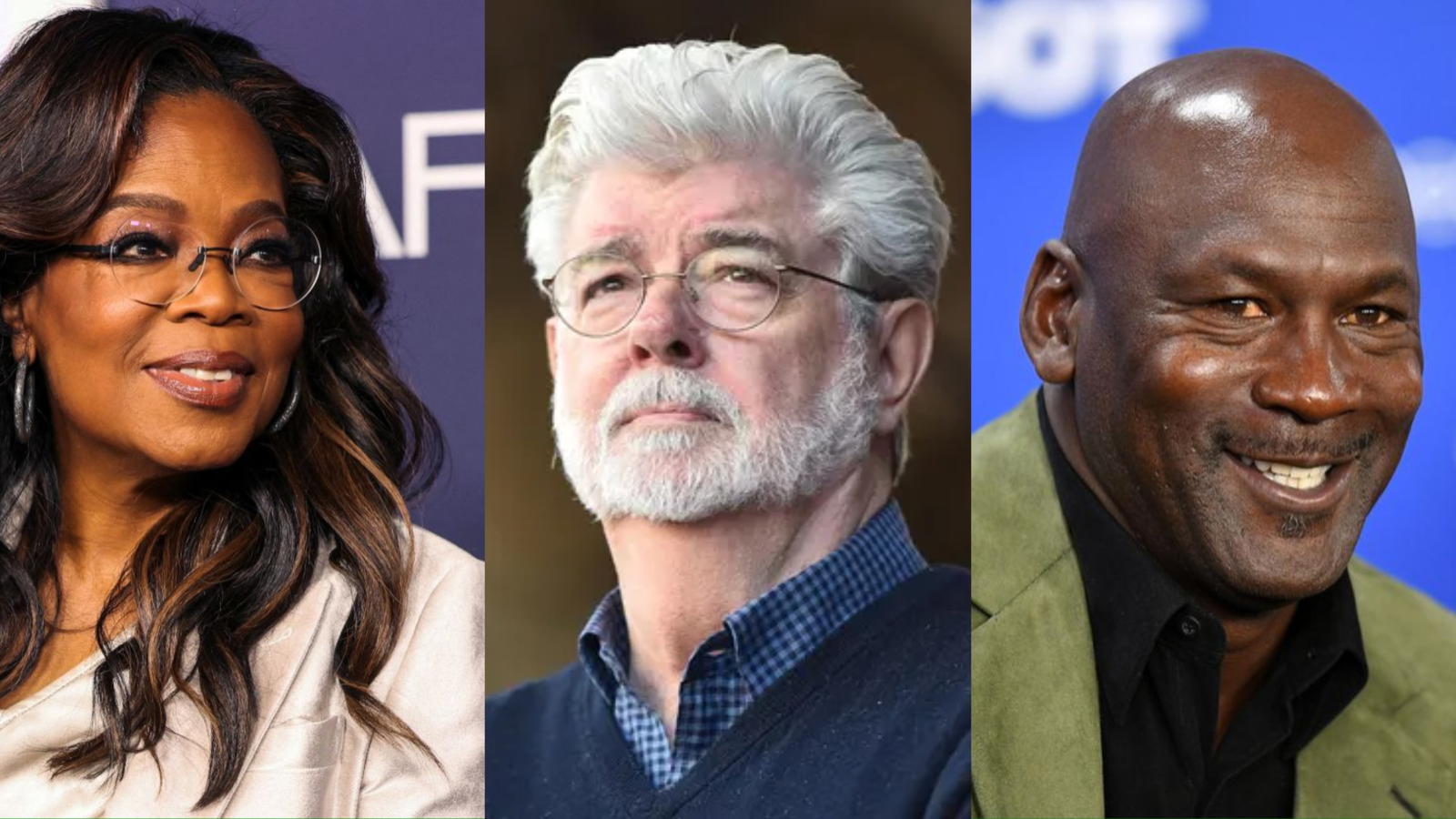
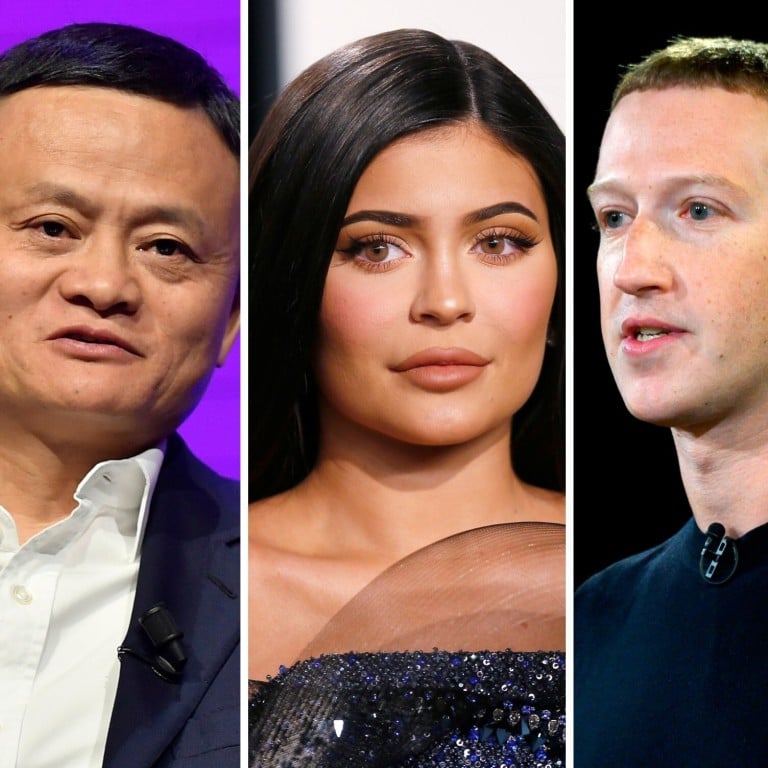
Celebrity Billionaires: The Untold Wealth Secret
Beyond the Red Carpet: The Untold Story of How This Celebrity Grew to Billionaire Status
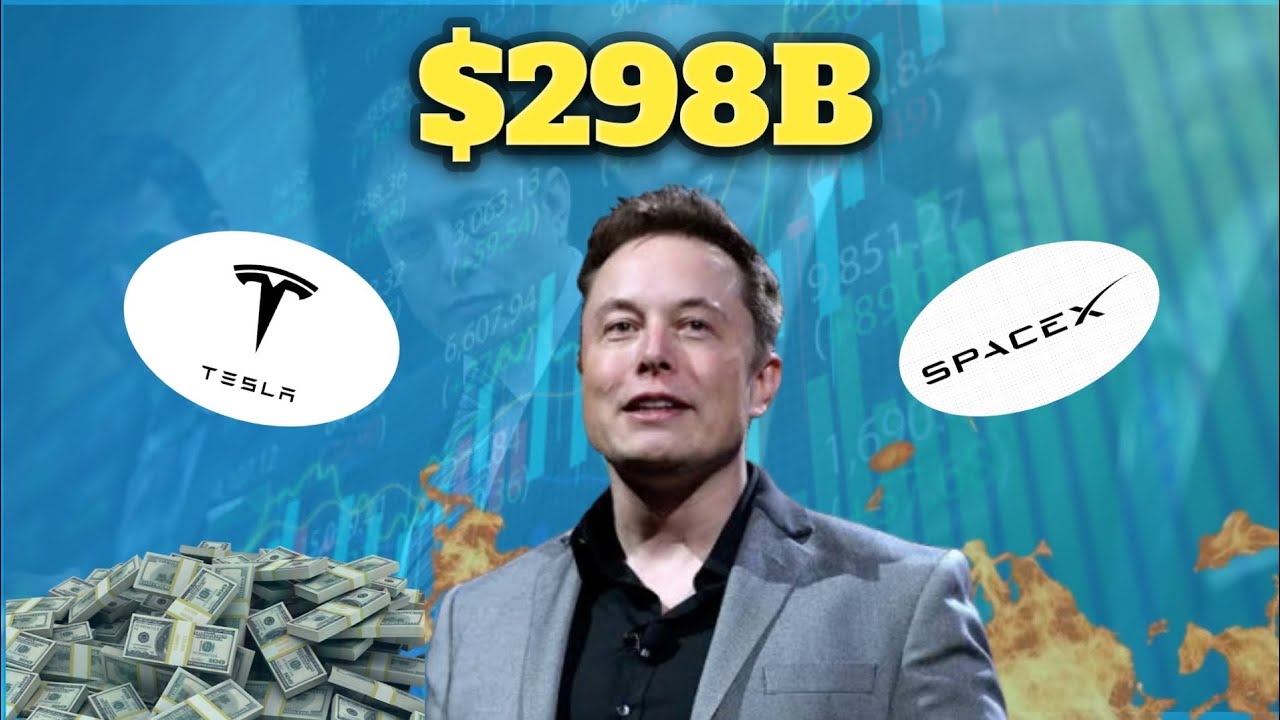
When the public thinks of wealthy actors, musicians, and athletes, the image that usually comes to mind is flashy. We picture mansions in Bel-Air, private jets, diamond-encrusted jewelry, and jaw-dropping movie paychecks. A $20 million salary for a single blockbuster film sounds like an unfathomable amount of money to the average earner. Yet, modern financial history proves a surprising truth: traditional entertainment salaries rarely create billionaires.
The true turning point in modern wealth creation happens when an entertainer stops acting merely as hired talent and starts operating as an owner, investor, and entrepreneur. While the tabloids focus on red-carpet fashion and high-profile relationships, a quiet revolution has been taking place in the boardrooms of Hollywood. Behind the scenes, strategic business moves, careful equity negotiations, and direct-to-consumer brand incubation have created a new class of ultra-wealthy icons.
The Shift From Talent for Hire to Equity Ownership
For decades, the standard playbook for a successful entertainer was simple: sign a talent contract, collect your check, and endorse third-party products for a flat fee. Brands would pay a celebrity millions to hold a perfume bottle or wear a watch, capturing the star's fleeting attention and leveraging their cultural capital. But the celebrity who ultimately crosses the billionaire threshold understands a fundamental economic reality: endorsement checks are linear income, whereas equity is exponential.
Instead of taking a quick paycheck to promote a vodka brand, a skincare line, or a fashion label, today's savviest stars demand ownership stakes. They act as co-founders, creative directors, and majority stakeholders. When the company scales and eventually sells to a multinational conglomerate, the payout doesn't just match a film salary—it completely eclipses it, turning a wealthy artist into a bonafide billionaire.
Controlling the Value Chain
Another crucial pillar of this modern billionaire playbook is vertical integration. Rather than licensing their name to a third-party manufacturer who controls the supply chain, marketing, and distribution, these savvy entrepreneurs build infrastructure from the ground up.
Video: Rihanna’s Untold Story: From a Troubled Childhood to Billionaire Status

- Direct-to-Consumer (DTC): By leveraging massive social media followings, these celebrities bypass traditional retail gatekeepers and market directly to their fans.
- Supply Chain Control: Owning the manufacturing or partnering early with agile production houses ensures high profit margins and strict quality control.
- Data Ownership: Direct engagement yields invaluable customer data, allowing for hyper-targeted product launches and rapid inventory turnover.
Strategic Joint Ventures and Leveraging Cultural Capital
Cultural capital is arguably the most powerful currency in the modern economy. A celebrity's audience isn't just a fan base; it is a highly engaged, emotionally invested community. When paired with the right operational partners—venture capitalists, seasoned executives, and supply chain experts—this cultural capital becomes an unstoppable economic engine.
Consider how modern celebrity-backed brands enter the market. Instead of spending tens of millions on traditional television advertisements, they launch products through organic social media announcements, leveraging authentic storytelling. The marketing cost is near zero, while the reach is global. This lean operational model allows startups to achieve unicorn valuations in record time, funneled directly into the celebrity founder's net worth.
Lessons in Long-Term Wealth Preservation
Amassing a billion-dollar fortune is only the first part of the challenge; keeping and growing it requires an entirely different set of disciplines. The individuals who successfully transition from pop-culture icons to generational business titans rely on sophisticated financial architecture.
- Diversification: Billionaires rarely keep their wealth in a single asset class. They spread capital across real estate, private equity, tech startups, and index funds.
- Tax Strategy: Utilizing trusts, philanthropic foundations, and corporate structuring ensures that wealth is protected and optimized for future generations.
- Reinvestment: Rather than liquidating shares for luxury purchases, they use their equity portfolios as collateral to secure low-interest loans for new business ventures.
The Future of Celebrity Entrepreneurship
The days of relying solely on box office receipts or streaming royalties are officially over. The blueprint has been rewritten, proving that true wealth lies in ownership, intellectual property, and strategic enterprise. As more entertainers recognize that they are media companies in their own right, the barrier between Hollywood and Silicon Valley will continue to blur. The untold story isn't just about luck or fame—it is about a calculated masterclass in modern capitalism.