Celina Smith Leak: 5 Conspiracy Theories You NEED to See
Unpacking the Phenomenon Behind the Celina Smith Leak
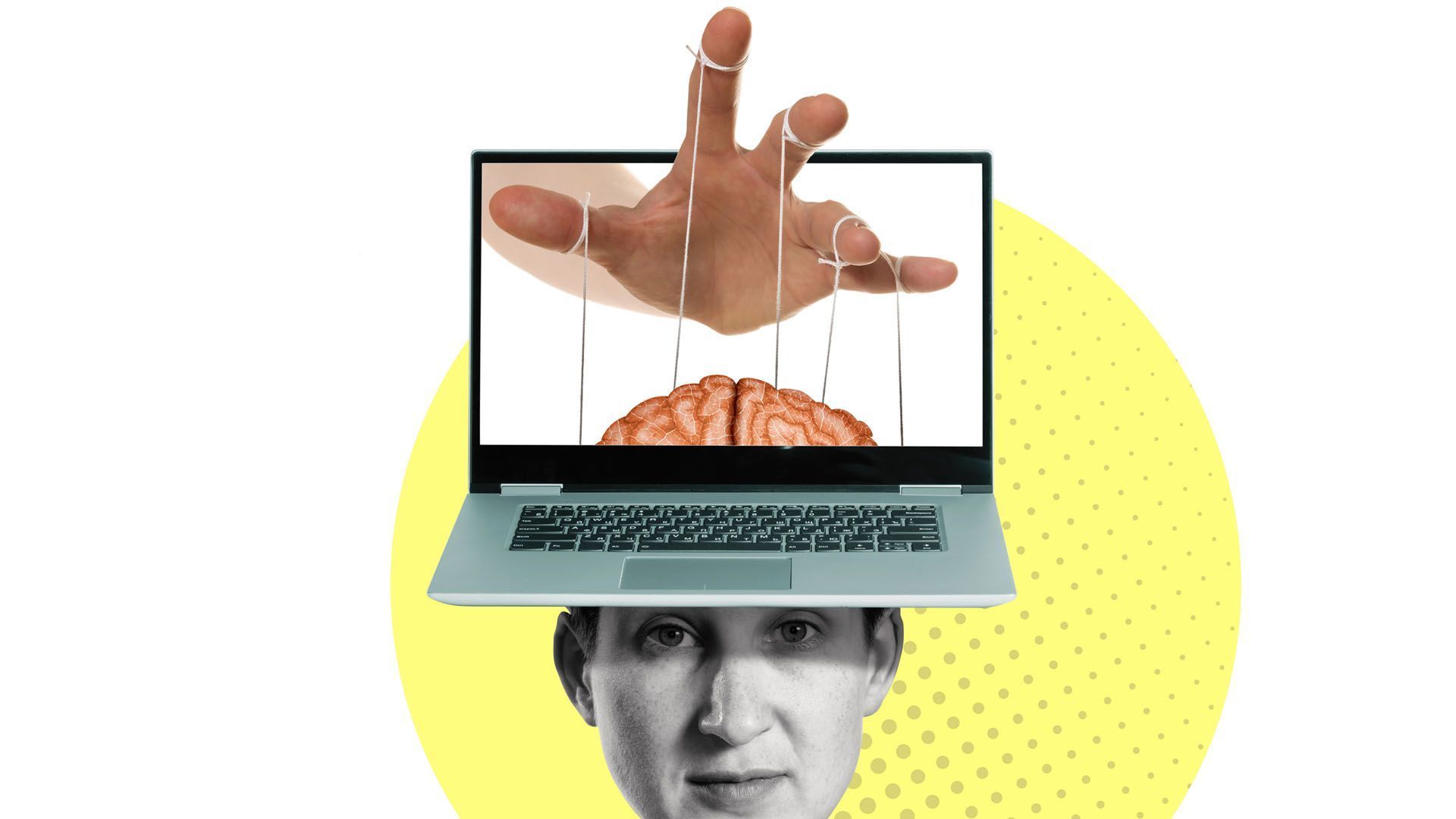
In the digital age, high-profile media leaks have a unique way of captivating public attention, often sparking intense speculation and internet sleuthing. The digital footprint left by viral events frequently generates more fiction than fact as online communities attempt to fill in the blanks. When it comes to the Celina Smith leak, the rumor mill went into overdrive almost immediately, giving birth to numerous elaborate narratives across social media platforms like TikTok, X (formerly Twitter), and Reddit.
While digital leaks are unfortunately common for public figures and content creators, the reaction to this specific incident highlighted broader conversations about online privacy, cybersecurity, and the psychology of internet fandoms. Rather than accepting the straightforward reality of digital data breaches, internet sleuths constructed complex narratives. Here, we examine the five most prominent and widely discussed conspiracy theories that emerged in the wake of the event, looking at why they gained traction and how digital culture fuels such speculation.
1. The Staged Marketing Stunt Theory
One of the earliest and most pervasive theories suggests that the entire incident was not a breach at all, but a calculated marketing stunt. Proponents of this idea point to historical precedents where lesser-known personalities allegedly leaked their own content to skyrocket subscriber counts on platforms like OnlyFans or to drive traffic to mainstream social media profiles.
According to this theory, the timing of the release was supposedly engineered to capitalize on peak internet traffic hours. Believers argue that negative publicity is still publicity, and in the attention economy, any shock value translates directly into financial gain and heightened algorithmic visibility. However, cybersecurity experts and industry analysts frequently debunk these claims, noting that real data leaks usually cause severe reputational and emotional distress rather than serving as a reliable growth hacking strategy.
2. The Advanced AI Generation Claim
As artificial intelligence technology advances at a staggering rate, deepfakes and AI-generated imagery have become sophisticated enough to fool the untrained eye. Naturally, a subset of commentators quickly claimed that the media associated with the Celina Smith leak was entirely fabricated using generative adversarial networks (GANs).
The argument goes that bad actors used advanced neural networks to superimpose or synthesize the content to defame or harass the creator. While AI-generated harassment is a growing and legitimate threat in modern cybersecurity, digital forensics experts who analyzed the viral material found standard metadata and distribution patterns typical of traditional human-originated leaks, largely discounting the pure AI-fabrication theory.
3. The Coordinated Corporate Sabotage Narrative
Moving away from individual motivations, another faction of internet theorists suggested corporate espionage or platform-level sabotage. This theory posits that rival agencies, disgruntled former management teams, or competitors engineered the breach to disrupt her career trajectory.
Why People Believed It
Online forums are frequently drawn to espionage narratives because they make mundane digital breaches feel like high-stakes corporate thrillers. Theorists pointed to alleged shifts in platform algorithms and monetization policies occurring around the same time as circumstantial 'proof' of a targeted takedown.

The Reality Check
In truth, the vast majority of digital leaks affecting creators stem from basic vulnerabilities: weak passwords, phishing attacks, compromised cloud storage accounts, or insider threats. Complex corporate espionage is rarely the culprit behind standard consumer-facing account breaches.
4. The Psychological Social Experiment Hypothesis
A more philosophical—and bizarre—theory floating around niche internet circles frames the entire incident as a sociological experiment orchestrated by media researchers or anonymous collective groups like Anonymous. This hypothesis suggests that internet users were being tested to see how quickly misinformation spreads and how easily public mobs form around unverified digital media.
While it makes for a compelling sci-fi plot, there is zero empirical evidence to support the idea that academic researchers or hacktivist groups orchestrated the leak to study digital mob mentality. Instead, it reflects a psychological coping mechanism where observers try to find deeper, intellectual meaning in chaotic, destructive online events.
5. The Elaborate Cover-Up and Imposter Theory
Perhaps the most sensational theory involves identity politics and narrative manipulation. A vocal group of conspiracy theorists claimed that the person in the leaked media was not Celina Smith at all, but rather an elaborate lookalike utilized in a bait-and-switch operation.
According to this storyline, the original media was intercepted and replaced by bad actors to divert attention away from unrelated political or industry events. This type of theory mirrors classic internet lore, where fans refuse to accept standard realities about public figures and instead invent intricate double-cross scenarios to explain away uncomfortable or controversial situations.
The Real Impact of Viral Leaks on Digital Culture
While exploring these conspiracy theories highlights the creativity and skepticism of internet subcultures, it is essential to remember the real-world consequences of digital privacy violations. Behind every viral hashtag and speculative Reddit thread is a real person whose boundaries have been crossed without consent.
The fascination with the Celina Smith leak underscores a critical need for better digital literacy regarding data security, consent, and the ethics of consuming leaked media. Ultimately, rather than feeding into wild conspiracy theories or sharing unverified content, the healthiest response to digital breaches is respecting privacy and supporting robust cybersecurity measures across all online platforms.