Chase CD Interest Rates: Are They Worth It?
Understanding Chase CD Interest Rates
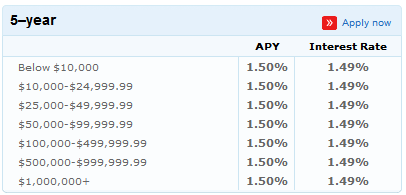
When you are looking for a safe, predictable way to grow your savings, certificates of deposit (CDs) often come to mind. If you bank with one of the largest financial institutions in the country, you have likely wondered about cd interest rates chase currently offers. While Chase Bank provides unmatched branch accessibility and a robust mobile app, its yield offerings require a closer look before you commit your hard-earned cash.
Unlike online-only banks that frequently pass on high yields to attract customers, traditional brick-and-mortar institutions like Chase often maintain lower baseline rates on standard products. However, they compensate with stability, FDIC insurance up to the legal limit, and relationship-building perks for existing checking and savings account holders.
Current Chase CD Options and Terms
Chase structures its certificate of deposit offerings into a few distinct categories. Knowing how these categories work helps you choose the right term length for your financial goals.
Standard Fixed-Rate CDs
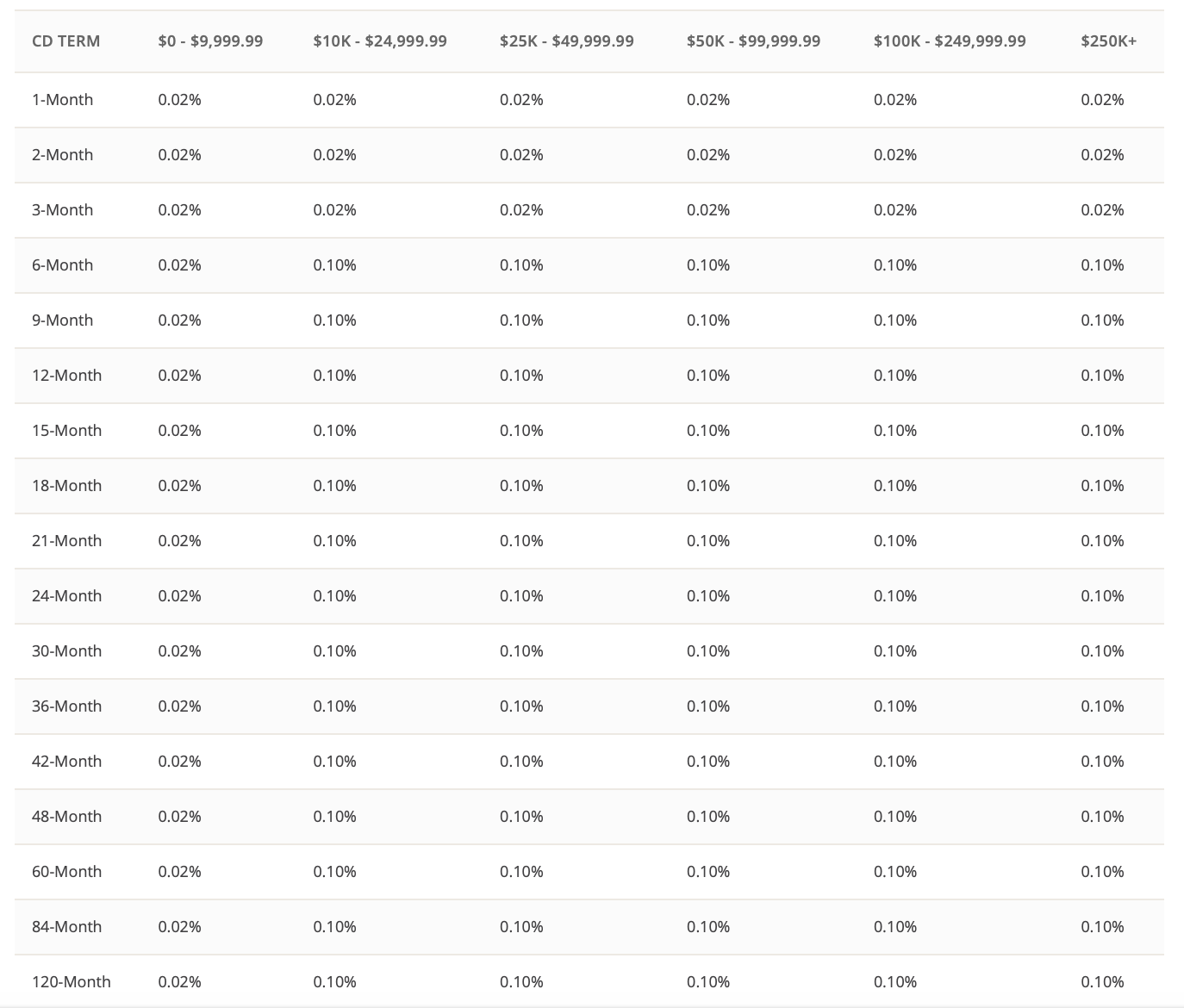
Standard CDs are the most common type offered by Chase. You deposit a lump sum of money for a predetermined period—ranging from one month up to ten years—and earn a fixed interest rate for the duration of that term.
Short-term options: Terms from 1 to 5 months are useful if you need liquidity in the near future.
Medium-term options: Terms from 6 to 17 months often strike a balance between yield and accessibility.
Long-term options: Terms of 2 to 10 years lock in a rate for the long haul, which can be advantageous if broader market interest rates begin to fall.
Relationship CDs
To secure a slightly better yield on a Chase CD, you typically need to qualify for a Relationship rate. This requires you to link an eligible Chase checking account—such as Chase Total Checking®—to your CD. While these rates are usually higher than the standard baseline, they still tend to trail behind the top yields offered by digital competitors.
Promotional CDs
Periodically, Chase introduces promotional CDs with specific terms (such as 7-month or 13-month durations) that feature higher yields than standard offerings. These promotions usually require new money—funds not currently held in a Chase account—and a linked checking account to secure the advertised rate.
Pros and Cons of Investing in a Chase CD
Before moving your funds into a Chase certificate of deposit, weigh the distinct advantages and disadvantages associated with the bank's account structure.
The Advantages
FDIC Insurance: Deposits are backed by the Federal Deposit Insurance Corporation up to $250,000 per depositor, per ownership category, ensuring your principal is safe.
Convenience: If you already use Chase for your daily banking, managing your CDs alongside your checking and credit card accounts in one dashboard is seamless.

Predictability: Fixed rates mean you know exactly how much interest you will earn by the time the maturity date arrives, protecting you from market volatility.
The Drawbacks
Lower Yields: Standard Chase CD rates are frequently lower than the yields found at online banks and credit unions.
Early Withdrawal Penalties: If you need to access your money before the term ends, you will face steep penalties that can eat into your principal earnings.
High Relationship Requirements: To get the best rates, you must maintain qualifying linked accounts and minimum balances.
How Chase Compares to Online Banks
When shopping for a CD, comparing institutions is essential. Online banks do not have the overhead costs of maintaining physical branches across thousands of cities. Consequently, they often pass those savings directly to consumers through significantly higher APYs (Annual Percentage Yields).
For example, while a traditional bank might offer minimal yields on standard short-term deposits, specialized online institutions frequently double or triple those figures. If your primary goal is pure wealth accumulation and earning the highest possible return on idle cash, moving funds to an online high-yield savings account or online CD is mathematically superior.
On the other hand, if you value having a physical branch down the street where you can speak with a banker face-to-face, or if you prefer keeping all your financial services under one roof, the convenience factor of Chase may outweigh the minor difference in yield.
Tips for Maximizing Your CD Strategy
If you decide that a Chase certificate of deposit fits into your overall portfolio, use these smart strategies to make the most of your money:
Build a CD Ladder
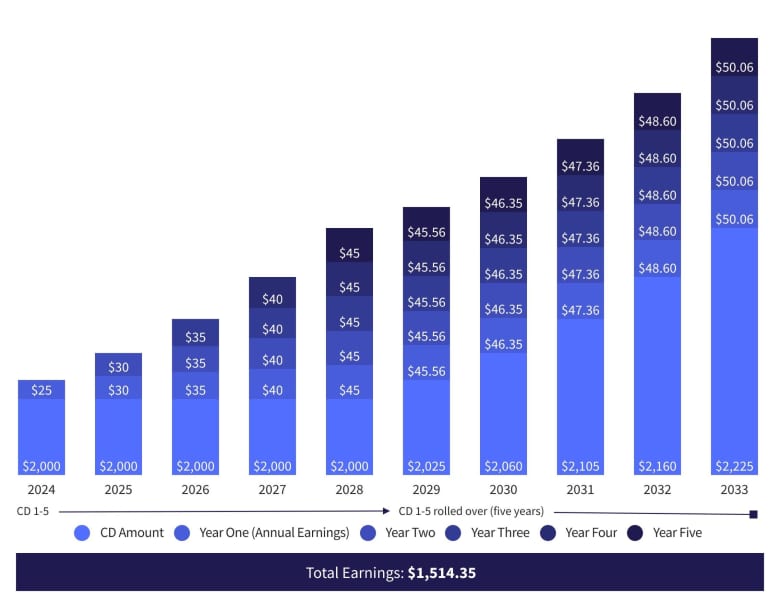
Instead of locking all your cash into a single 3-year term, consider building a CD ladder. Split your total investment into equal parts across different terms—such as 3-month, 6-month, 1-year, and 2-year CDs. As each CD matures sequentially, you gain access to cash without paying early withdrawal penalties, and you can reinvest at current rates if yields have risen.
Watch the Maturity Date Notice
Chase typically provides a grace period (usually around 10 days) after your CD matures. During this window, you can withdraw your funds or change terms without penalty. If you do nothing, Chase will automatically renew your CD into a similar term at whatever the current prevailing rate happens to be—which might not be favorable.
Evaluate Minimum Deposit Requirements
Most Chase CDs require a minimum opening deposit of $1,000. Ensure you are not locking up emergency funds that you might need for unexpected expenses, as early withdrawal penalties will negate the interest you hoped to earn.
Conclusion
Evaluating cd interest rates chase provides comes down to balancing convenience against return. While Chase cannot always compete with the top-tier yields offered by digital-only competitors, the bank offers security, ease of use, and relationship perks that appeal to loyal customers. By understanding the terms, utilizing promotional rates when available, and keeping your emergency cash liquid, you can decide whether a Chase CD deserves a spot in your financial toolkit.