Chi Omega Hand Sign: Meaning, History, and How-To
Across college campuses, hand signs have become one of the most recognizable visual traditions in Greek life. Whether displayed in Bid Day photo shoots, graduation portraits, or philanthropy banners, the chi omega hand sign represents sisterhood, pride, and belonging for members of the largest women's fraternal organization in the world. Founded on April 5, 1895, at the University of Arkansas, Chi Omega boasts hundreds of collegiate chapters and hundreds of thousands of initiated members worldwide.

While outsiders often wonder about the mechanics and meaning behind the gesture, the hand sign is a celebratory public symbol rather than a guarded secret. Here is an in-depth look at what the sign represents, how members throw it, and the etiquette surrounding its use.
What Is the Chi Omega Hand Sign?
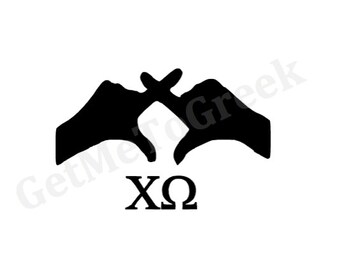
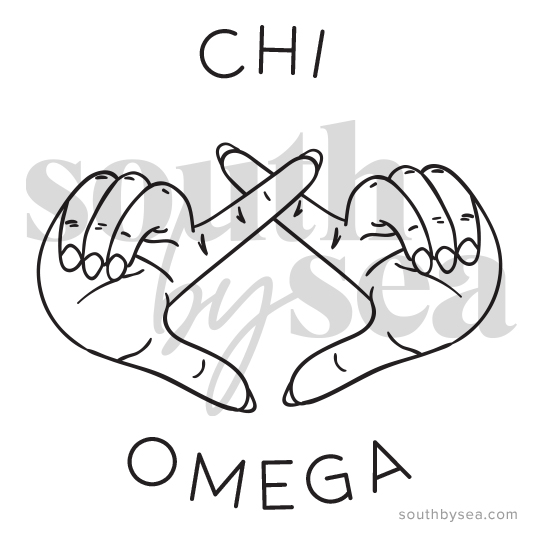
In modern Greek letter organizations, hand signs serve as quick, visual representations of a chapter's letters. For Chi Omega, the hand sign typically captures the Greek letters Chi (Χ) and Omega (Ω).
Unlike historic ritual grips—which are confidential handshakes taught during private initiation ceremonies—public hand signs are a relatively contemporary tradition. They gained widespread popularity in the late 1990s and early 2000s alongside the boom of digital photography, online sorority recruitment showcases, and social media platforms like Facebook and Instagram.
Today, the sign is a universal greeting at National Panhellenic Conference (NPC) events, game-day tailgates, and sisterhood retreats. It visually reinforces the bond between collegiate members and alumnae across generations.
How to Throw the Chi Omega Hand Sign Correctly
Because Greek letters can be interpreted visually in multiple ways using ten fingers, members use a few standard variations. Depending on whether a sister is posing alone or with a partner, here are the most common ways to display the letters.
1. The Solo Two-Hand Method (Chi and Omega)
The most widespread individual version allows a single member to display both letters simultaneously:
- The Chi (Χ): On your left hand (or dominant hand, depending on chapter preference), cross your index and middle fingers, or cross the index fingers of both hands. In the standard solo pose, members cross their index and middle fingers to form an “X” shape.
- The Omega (Ω): With your opposite hand, curve your thumb and fingers into a circular horseshoe shape, leaving a slight opening at the base to suggest the Greek letter Omega rather than a standard circle.
2. The Paired “X” and “O” Gesture
When two members pose side by side, they often split the letters to create a cleaner, more dramatic visual for photos:
- Sister One (The Chi): Crosses both wrists or crosses index fingers outward toward the camera to form a sharp, distinct “X.”
- Sister Two (The Omega): Shapes both hands together into an arch or wide oval, forming an “O” or horseshoe to represent the final letter of the Greek alphabet.
3. The Crossed-Fingers Minimalist Sign
In candid shots or group settings where space is tight, many members simply flash crossed index and middle fingers on one hand. While crossed fingers universally indicate wishing for good luck, within the context of a Chi Omega gathering, it serves as an effortless shorthand for the letter Chi.
Public Hand Signs vs. Ritual Grips: An Important Distinction

It is vital to distinguish between a sorority’s public hand sign and its ritual handshake. New members and non-Greeks frequently confuse the two concepts, but they serve completely different purposes in fraternal life.
- The Public Hand Sign: Designed specifically for public visibility. It is used in candid photos, recruitment videos, and sporting events. Anyone can see it, and it carries no confidential status.
- The Ritual Grip: A formal, sacred handshake passed down from the organization’s founders. The grip is taught exclusively to initiated members during ritual ceremonies and is never performed for photos, casual greetings, or in front of non-members.
Understanding this distinction helps maintain respect for the solemn, historic traditions of Chi Omega while allowing members to have fun expressing their spirit publicly.
The Broader Symbols Behind Chi Omega
The letters depicted in the hand sign are only one layer of the organization’s iconography. Chi Omega possesses a deep visual language developed by its founders—Dr. Charles Richardson, Alice Cary Simonds, Jean Vincenheller, Ina May Boles, and Jobelle Holcombe. When members display their letters, they are connecting to a heritage rich in classic symbolism:
- The Owl: The official mascot of the sorority, symbolizing wisdom, discernment, and intellectual curiosity.
- The White Carnation: Chosen for its pure color and sweet fragrance, the white carnation serves as the fraternity flower.
- Cardinal and Straw: The official colors of Chi Omega, pairing a rich crimson red with a warm, golden straw yellow.
- The Skull and Crossbones: An esoteric symbol common to early fraternal orders, reminding members of mortality, the passage of time, and the enduring nature of loyalty.
Sorority Etiquette: When Is It Appropriate to Use the Sign?
While throwing a sorority sign is lighthearted, Panhellenic culture has unwritten rules regarding proper timing and etiquette. Observing these guidelines ensures that the gesture reflects well on the individual and the chapter.
Ideal Occasions
Hand signs are most appropriate during celebratory sorority functions. You will regularly see them during:
- Bid Day: Welcoming new pledge classes with enthusiastic group poses.
- Philanthropy Events: Raising awareness and funds for the Make-A-Wish Foundation, Chi Omega’s national philanthropic partner.
- Graduation: Cap-and-gown photos marking the transition from collegiate to alumna status.
- Greek Week: Cheering on sisters in campus-wide athletic and spirit competitions.
Contexts to Avoid
Members typically avoid throwing hand signs in overly formal, professional, or academic settings where dignity and decorum take precedence over collegiate spirit. For instance, job interviews, academic award ceremonies, or solemn university convocations call for professional posture rather than social poses.
Can Non-Members Throw the Sign?
In general, Greek organizations prefer that only initiated members or active new members throw their official hand signs. While friends and family members might occasionally mimic the pose in family weekend photos out of enthusiasm, doing so without an affiliation can be seen as poor form. When supporting a friend in Chi Omega, a standard smile or holding up a supportive sign is generally preferred over throwing the organization’s letters yourself.
A Lasting Expression of Sisterhood
The Chi Omega hand sign may seem like a simple camera pose, but to the women who wear the badge, it encapsulates years of friendship, campus leadership, and community service. From Arkansas in 1895 to modern campuses nationwide, the letters Chi and Omega continue to stand for integrity, purpose, and lifelong connection.